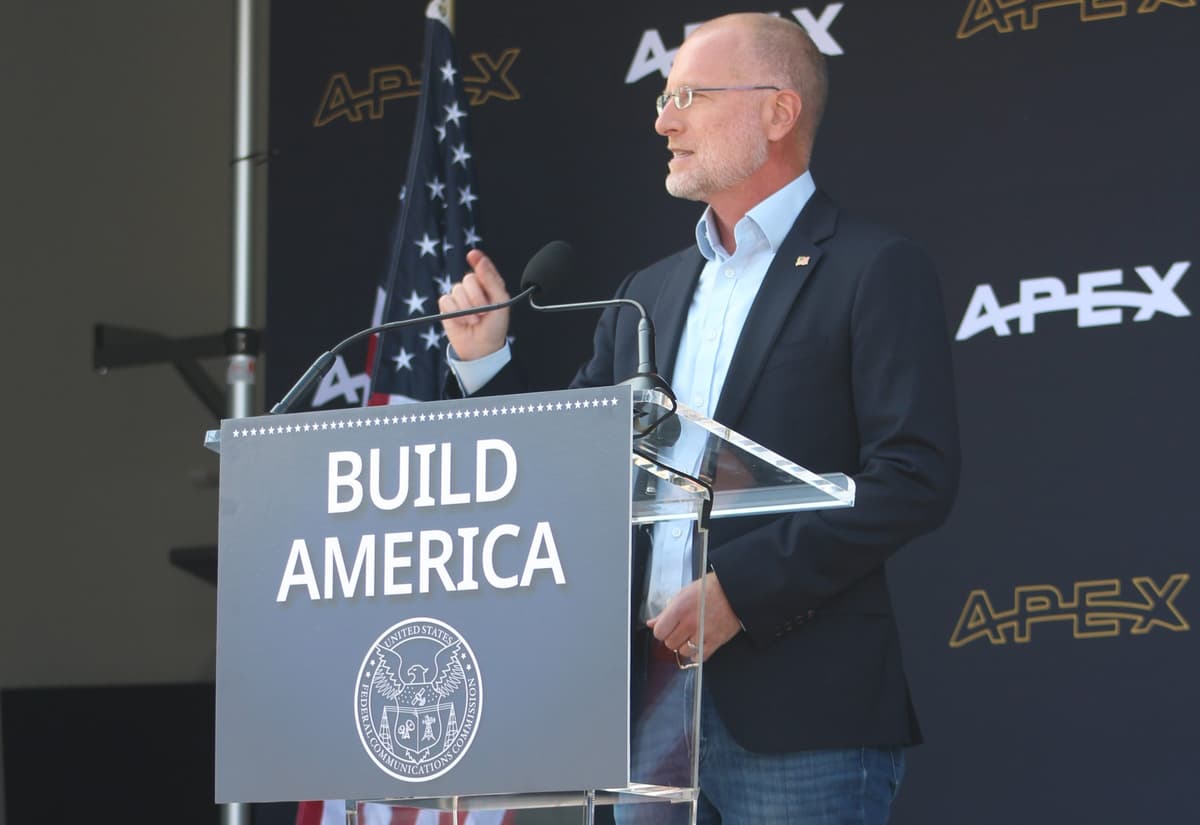
FCC Throws Out Satellite Spectrum Challenges as D2D Dealmaking Heats Up
Companies Mentioned
Why It Matters
By cementing incumbent spectrum rights, the FCC reduces regulatory uncertainty, encouraging investment in D2D satellite networks while limiting new entrants that could fragment the market. This clarity accelerates rollout of space‑based connectivity for everyday devices, a fast‑growing segment of the telecom industry.
Key Takeaways
- •FCC dismisses SpaceX, Iridium, Kepler petitions for MSS spectrum
- •Amazon's $11 B Globalstar acquisition sidesteps FCC spectrum fight
- •FCC preserves incumbent rights, boosting certainty for D2D investors
- •AST SpaceMobile cleared for 248‑satellite constellation using AT&T/Verizon bands
- •FCC blocks new U.S. entrants in 2 GHz band, protecting EchoStar
Pulse Analysis
The direct‑to‑device (D2D) market is rapidly evolving as satellite operators vie for the same spectrum bands that traditional mobile carriers use. The FCC’s recent order locks down Mobile Satellite Service (MSS) frequencies, citing interference risks and the need for investment certainty. By rejecting petitions from SpaceX, Iridium, Kepler and others, the regulator signals that the existing Big LEO and 2 GHz allocations will remain under the control of current licensees, preserving a stable environment for large‑scale deployments.
Amazon’s $11 billion acquisition of Globalstar illustrates how firms are sidestepping regulatory hurdles by buying existing spectrum holders rather than challenging the FCC’s framework. The deal instantly grants Amazon access to Globalstar’s L‑band and 2 GHz assets, positioning it to launch D2D services without a protracted petition process. Meanwhile, SpaceX’s request to reshape sharing rules and Iridium’s bid for a larger slice highlight the competitive pressure to secure more bandwidth, but the FCC’s stance curtails these ambitions, reinforcing the value of incumbent holdings.
Looking ahead, the FCC’s emphasis on “rules as friendly as possible for investment and innovation” suggests a regulatory path that favors clear, long‑term rights over ad‑hoc spectrum sharing. This approach should accelerate the rollout of satellite constellations like AST SpaceMobile’s 248‑satellite network, which already received conditional approval to operate on cellular frequencies. For consumers, the outcome promises broader coverage for smartphones and IoT devices, especially in underserved areas, while industry players must navigate a landscape where spectrum acquisition through purchase may become the preferred strategy. The balance between protecting incumbents and fostering new entrants will shape the next wave of space‑based connectivity.
FCC throws out satellite spectrum challenges as D2D dealmaking heats up
Comments
Want to join the conversation?
Loading comments...