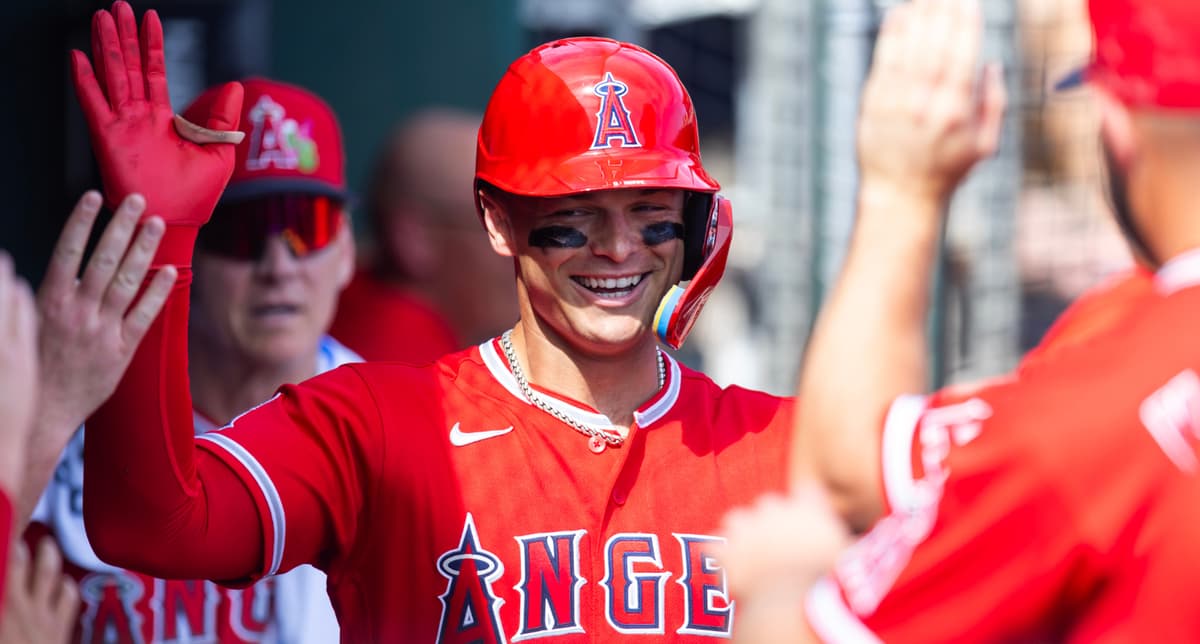
Angels Reportedly Complete Deal to Launch Own TV Network
•March 6, 2026
0
Key Takeaways
- •Angels buy Main Street stake, ending FanDuel partnership.
- •Network free for SoCal fans, streams via MLB platform.
- •Same broadcast crew retained; launch aligns with regular season.
- •Spring training still without TV coverage.
- •Mirrors trend of MLB teams pursuing independent networks.
Summary
Los Angeles Angels have finalized a deal to launch their own television network by acquiring a stake in Main Street Sports Group, ending the previous FanDuel Sports Network West arrangement. The new network will use the same on‑air talent, be free for local fans, and will stream via MLB’s direct‑to‑consumer platform for out‑of‑market viewers. Launch is slated for the regular season, with spring training still unbroadcast. This move follows other MLB clubs either joining MLB Media or creating independent networks like the Tigers’ Detroit SportsNet.
Pulse Analysis
The Los Angeles Angels' decision to launch a proprietary TV network marks the latest chapter in Major League Baseball's evolving broadcast ecosystem. After the collapse of the proposed Main Street‑to‑DAZN sale, nine clubs were forced to renegotiate their media rights. Six of those quickly migrated to MLB Media, while the Tigers created Detroit SportsNet. By purchasing a portion of Main Street Sports Group, the Angels have sidestepped league‑wide distribution and retained control over production, advertising, and branding.
For the Angels, the move restores a revenue stream that has been eroded by declining local TV fees. Owner Arte Moreno has long blamed shrinking broadcast income for the franchise's payroll constraints, and a team‑owned network offers higher ad inventory and the ability to bundle sponsorships with in‑stadium promotions. Fans in Southern California will continue to receive games at no extra cost, and out‑of‑market viewers gain access through MLB's direct‑to‑consumer service, preserving the broader audience base while monetizing premium content.
The broader implication is a potential resurgence of team‑specific networks, a model once dominant before MLB consolidated its media rights. As the Braves and Tigers demonstrate, independent channels can coexist with league‑wide platforms when they secure reliable distribution partners. If the Angels' launch proves financially viable and delivers seamless coverage, other clubs—especially those dissatisfied with MLB Media's revenue split—may follow suit, reshaping the balance between centralized and decentralized broadcasting in professional sports.
Comments
Want to join the conversation?