UNC-Duke, MSU-Michigan, Deliver on Final Weekend of Men’s Regular Season
•March 11, 2026
0
Key Takeaways
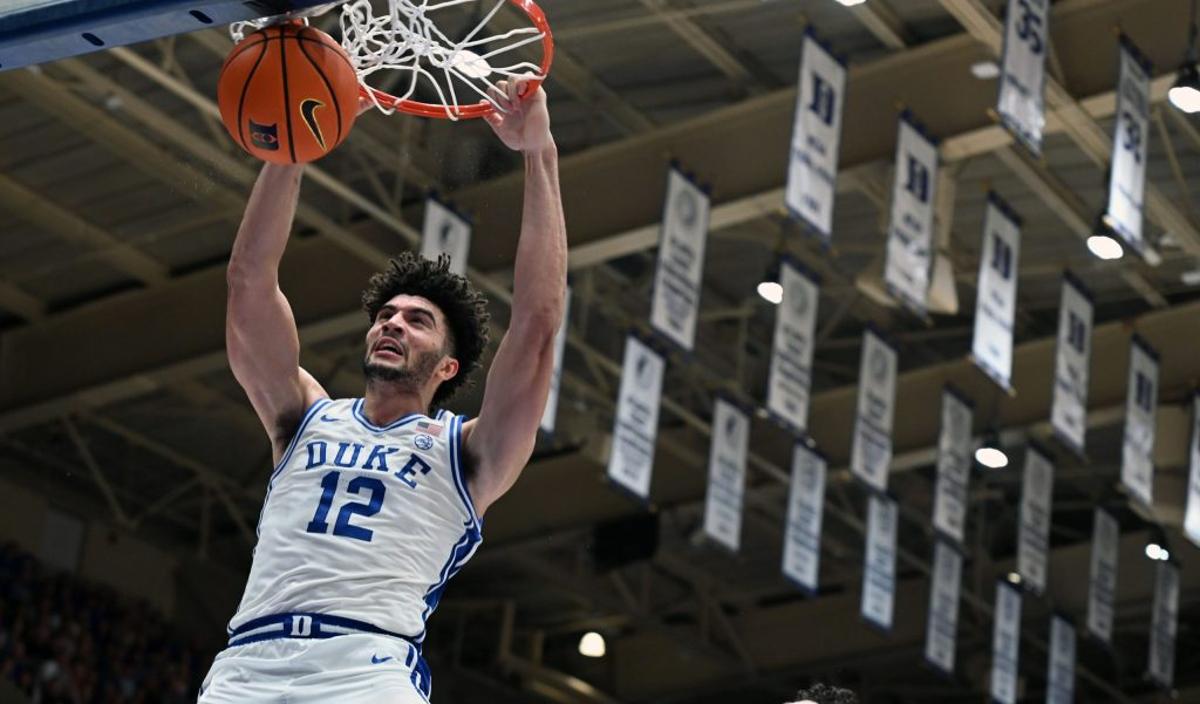
- •UNC-Duke draws 3.43M, up 14% YoY
- •Duke appears in four of season’s top five games
- •Michigan‑Michigan State up 63%, 2.90M viewers
- •CBS regular‑season average hits 1.43M, best since 2019
- •Auburn‑Alabama viewership drops to 1.36M, down sharply
Summary
College basketball rivalry matchups delivered strong ratings in the final weekend of the regular season. The UNC‑Duke game on ESPN attracted 3.43 million viewers, a 14 % increase and the third‑largest audience for the series since 2019. Michigan’s win over Michigan State on CBS drew 2.90 million viewers, up 63 % and the most‑watched intra‑conference Big Ten game in three years. CBS’s overall regular‑season average rose to 1.43 million, its highest level since 2019.
Pulse Analysis
Rivalry matchups continue to dominate college basketball’s television landscape, with the UNC‑Duke showdown illustrating why networks prioritize these games. The 3.43 million‑viewer audience not only eclipsed last season’s numbers but also secured the third‑largest viewership for the series since 2019, reinforcing the brand equity of historic programs. For advertisers, such spikes translate into premium ad slots and higher CPMs, prompting broadcasters to schedule marquee rivalries in prime windows to maximize revenue.
The Big Ten’s intra‑conference clash between Michigan and Michigan State delivered a 63 % viewership lift, reaching 2.90 million on CBS. This surge propelled CBS’s regular‑season average to 1.43 million, the network’s best performance in seven years. While Nielsen’s recent methodological upgrades—incorporating smart‑TV data and out‑of‑home viewing—complicate year‑over‑year comparisons, the upward trend remains clear: high‑stakes rivalries are a key driver of audience growth across both cable and broadcast platforms.
Beyond individual games, the broader ratings picture hints at shifting dynamics in college sports broadcasting. SEC contests, such as Florida‑Kentucky, posted modest gains, while lower‑profile rivalries like Auburn‑Alabama saw significant declines, highlighting the importance of competitive relevance and ranking. As networks chase higher viewership, they may lean more heavily on data‑rich scheduling, leveraging analytics to position marquee matchups alongside NFL‑adjacent programming. Stakeholders should monitor these patterns, as they will shape future rights negotiations, advertising strategies, and the overall economics of college basketball media rights.
Comments
Want to join the conversation?