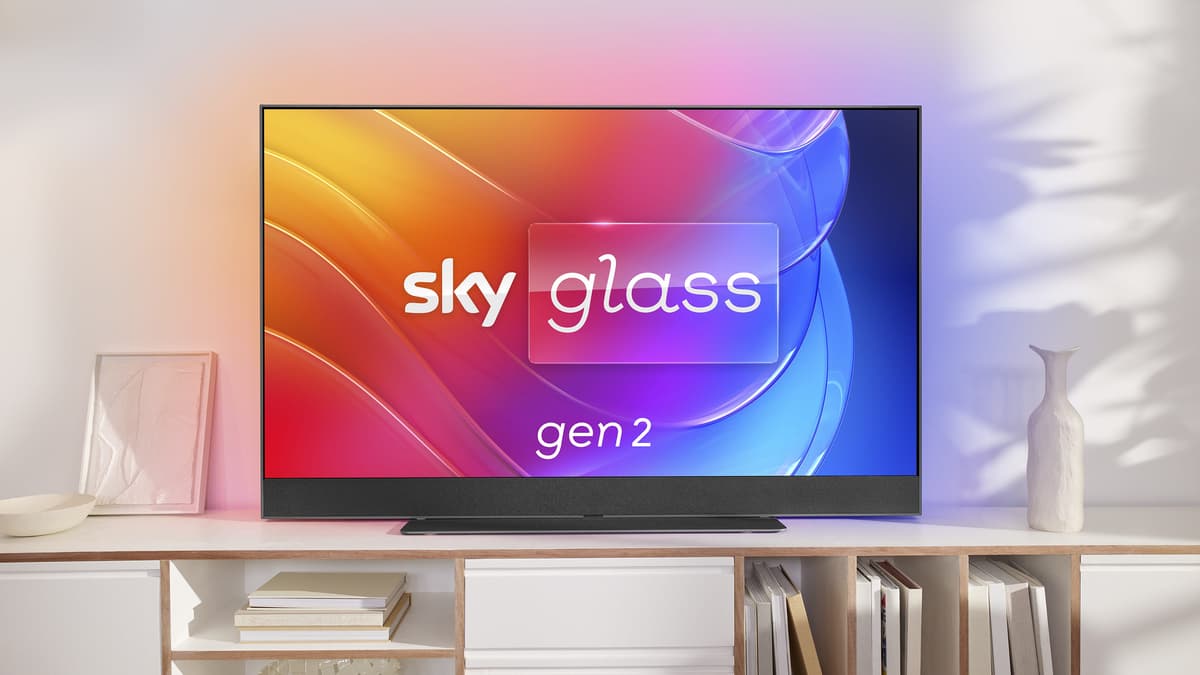
Best Sky Glass TV New Customer Deals for March 2026
•March 3, 2026
0
Why It Matters
The pricing and bundled‑service model positions Sky Glass as a competitive cord‑cutting alternative, while the financing options lower the upfront barrier for consumers. Its success could reshape Sky’s revenue mix toward recurring subscription income and strengthen its foothold in the streaming TV market.
Key Takeaways
- •Gen 2 TV starts at £699, Air at £309.
- •24‑month interest‑free loan spreads TV cost.
- •Essential vs Ultimate packages differ in channel lineup.
- •Add‑ons like Sports cost £22‑£28 monthly.
- •Minimum 25 Mbps broadband required for HD streaming.
Pulse Analysis
Sky Glass’s latest hardware rollout reflects a broader industry shift toward integrated streaming televisions that combine content subscriptions with premium displays. By offering three screen sizes and colour options across both Gen 2 and Air models, Sky targets a wide consumer spectrum—from budget‑conscious households to premium viewers seeking a built‑in soundbar and 4K resolution. The dish‑free architecture leverages internet delivery, aligning the product with the cord‑cutting trend and allowing Sky to compete directly with smart‑TV manufacturers that bundle their own app ecosystems.
The pricing strategy is deliberately tiered: the Air series begins at £309, while the flagship 65‑inch Gen 2 commands £1,199. To mitigate the high upfront cost, Sky provides interest‑free financing over 24 or 48 months, a tactic that mirrors telecom installment plans and encourages longer‑term contract commitments. Subscription bundles—Essential or Ultimate—determine channel breadth, with the Ultimate tier adding premium Sky and third‑party channels. Optional add‑ons such as Sports (£22 / month) and Cinema (£10 / month) are discounted on 24‑month contracts, creating a layered revenue stream that balances hardware sales with recurring fees.
For consumers, the service’s success hinges on reliable broadband; Sky mandates at least 25 Mbps for HD playback, with higher speeds recommended for Ultra HDR and Dolby Atmos content. This requirement underscores the convergence of TV hardware and ISP services, prompting potential cross‑selling opportunities for Sky’s broadband arm. As the market continues to favor flexible, all‑in‑one entertainment solutions, Sky Glass’s blend of financing, bundled content, and hardware integration could drive subscriber growth while reshaping the company’s revenue composition toward higher-margin, subscription‑based income.
Best Sky Glass TV new customer deals for March 2026
0
Comments
Want to join the conversation?
Loading comments...