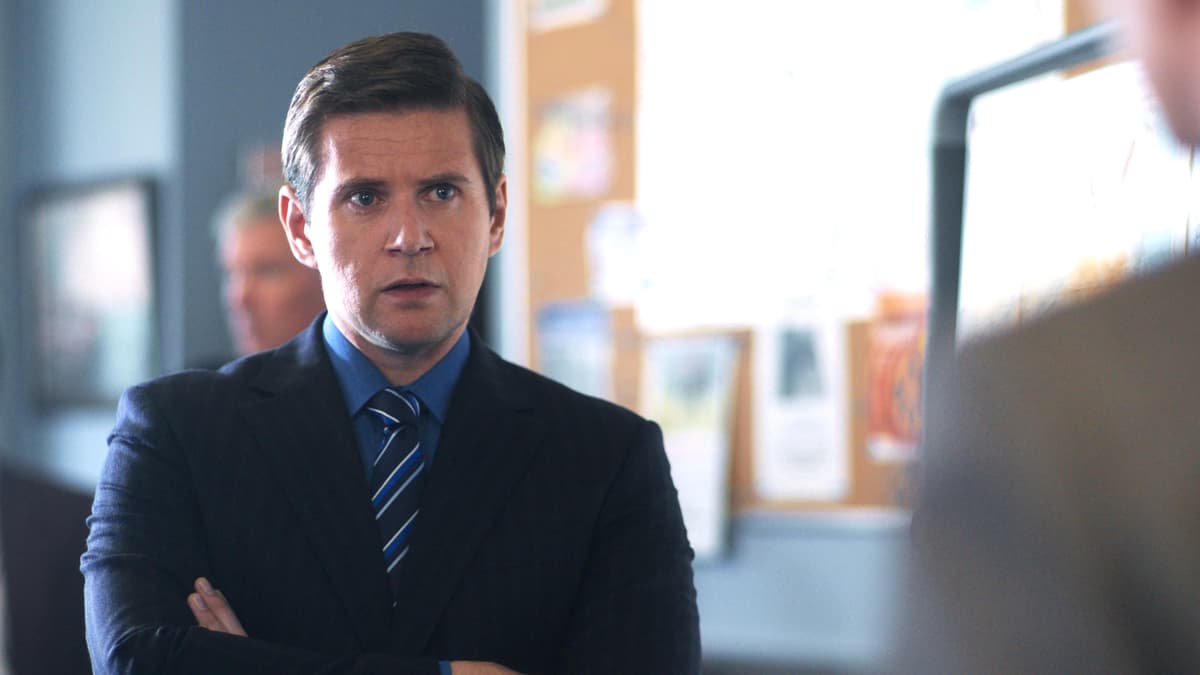
Divisive 6-Part Irish Crime Drama Is Trending Number 1 on This UK Streamer Right Now
•March 2, 2026
0
Why It Matters
The show's popularity highlights demand for true‑crime narratives, yet the backlash underscores the ethical tension between entertainment and historical sensitivity, influencing future production decisions.
Key Takeaways
- •The Vanishings tops UK streamer trending chart.
- •Series dramatizes Ireland's 1980s‑1990s Vanishing Triangle.
- •Critics condemn fictionalisation of real tragedies.
- •Audience rating 6.1/10, 2,300 votes on IMDb.
- •India Mullen and Allen Leech lead cast.
Pulse Analysis
The resurgence of true‑crime content on streaming services reflects a broader shift in viewer preferences toward gritty, fact‑based storytelling. "The Vanishings" taps into this appetite by re‑creating the infamous Vanishing Triangle cases, offering a blend of investigative journalism and police procedural that resonates with audiences seeking both suspense and a glimpse into recent history. Its rapid climb to the top of the UK platform’s trending list demonstrates how localized narratives can achieve national traction when paired with recognizable talent and a compelling premise.
However, the series has ignited a fierce debate over the moral responsibilities of dramatizing unresolved tragedies. Critics from the Irish Independent, The Telegraph, and The i have accused the show of exploiting victims' trauma for sensationalist thrills, labeling it tasteless and exploitative. Such criticism not only threatens the show's reputation but also raises questions about industry standards for adapting real events. Producers must balance artistic license with respect for those directly affected, especially when the subject matter remains sensitive and unresolved.
From a business perspective, the controversy may paradoxically boost viewership, as debate often fuels curiosity and streaming numbers. Yet platforms like Channel 5 must weigh short‑term gains against potential long‑term brand damage and regulatory scrutiny. International distributors eyeing the series will consider both its audience pull and the reputational risk of aligning with a polarising title. Ultimately, "The Vanishings" serves as a case study in how true‑crime dramas can drive engagement while prompting essential conversations about ethical storytelling in the digital age.
Divisive 6-part Irish crime drama is trending number 1 on this UK streamer right now
0
Comments
Want to join the conversation?
Loading comments...