
Why It Matters
Accurate ratings are critical for parental control tools like the V‑chip and for maintaining trust in self‑regulation; FCC scrutiny could trigger regulatory reforms that reshape how broadcasters and streaming services label content.
Key Takeaways
- •FCC seeks comment on TV ratings transparency and accuracy
- •Board composition questioned for lacking family and faith perspectives
- •Ratings creep may label mature content as child‑friendly
- •V‑chip usage and parental controls under renewed scrutiny
- •Industry may face regulatory overhaul if concerns persist
Pulse Analysis
The Federal Communications Commission’s latest notice revives a debate that began with the 1996 Telecommunications Act, which gave the broadcast and streaming sectors the option to self‑regulate children’s programming. Since then, the TV Oversight Management Board—rotating leadership among the NAB, NCTA and the Motion Picture Association—has administered the familiar TV‑Y through TV‑MA scale. Historically, the system has weathered periodic challenges, from a 2009 FCC proposal to replace it with a third‑party model to the Parents Television Council’s 2016 reform push. This background underscores the delicate balance between industry autonomy and governmental oversight.
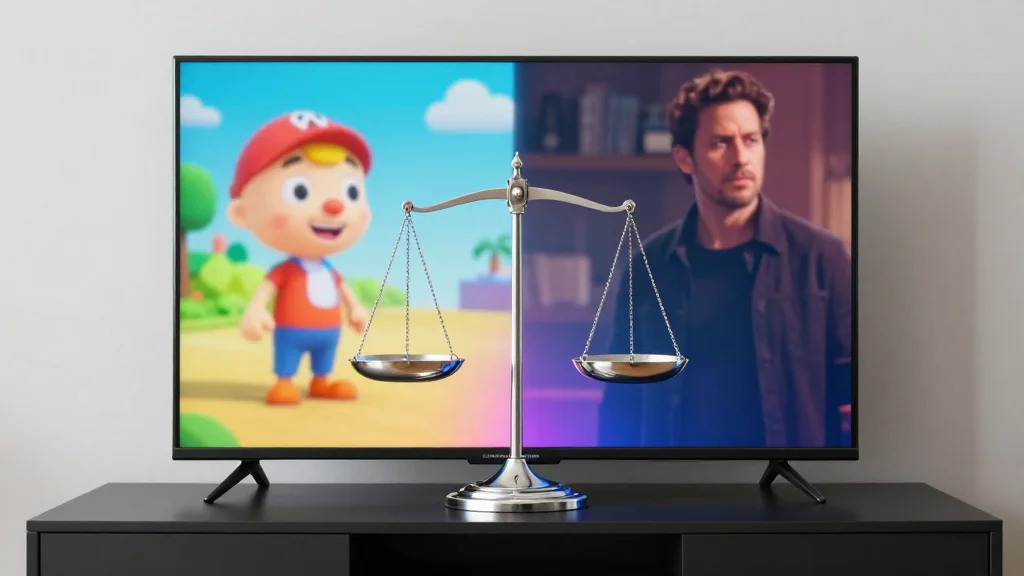
Current concerns focus on two fronts: content classification and stakeholder representation. Critics argue that programs featuring transgender or gender‑non‑binary themes are being assigned child‑friendly ratings without adequate descriptors, potentially misleading parents. Simultaneously, the FCC notes a "ratings creep," where mature material slips into lower categories, eroding the credibility of the V‑chip’s parental‑lock function. The commission’s request for input on whether faith‑based and family‑oriented groups should sit on TVOMB reflects a broader demand for diverse viewpoints in the rating process.
The outcome of this inquiry could reshape the media landscape. If the FCC determines that self‑regulation fails to protect children, it may impose stricter federal standards or mandate more granular content descriptors. Broadcasters, cable operators and streaming platforms would need to adjust metadata, update parental‑control interfaces, and possibly renegotiate licensing agreements. Conversely, a reaffirmation of the voluntary system, coupled with board reforms, could preserve industry flexibility while enhancing transparency. Stakeholders are therefore watching the comment period closely, as any shift will impact content strategy, compliance costs, and the trust parents place in rating symbols.
FCC Scrutinizing TV Ratings System
Comments
Want to join the conversation?
Loading comments...