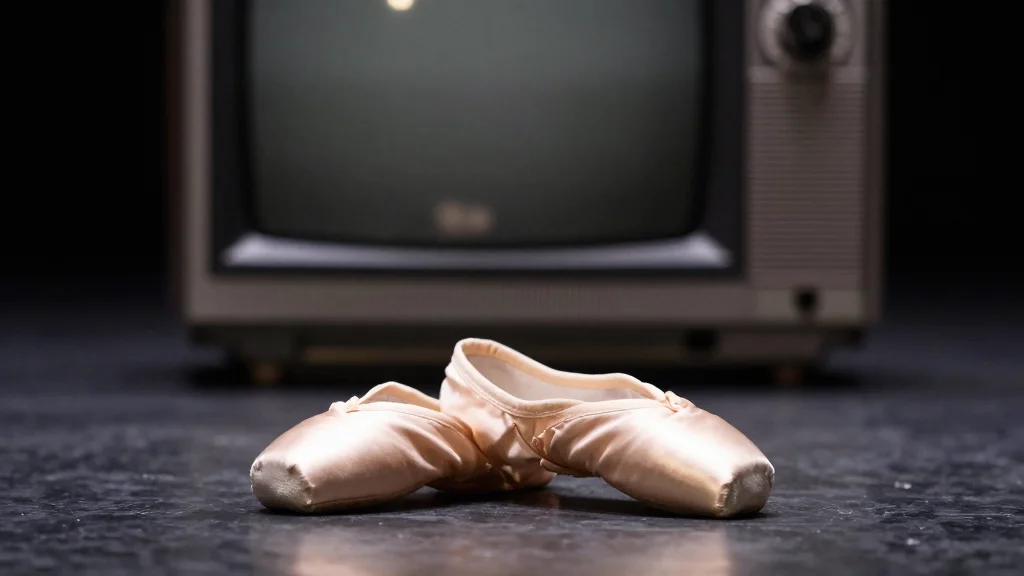
Fox Quietly Cancels Emmy-Winning Show After 18 Seasons
Why It Matters
The cancellation signals Fox’s pivot toward programming that better aligns with shifting advertising dollars and streaming priorities, while highlighting the vulnerability of legacy reality formats in a fragmented media landscape.
Key Takeaways
- •SYTYCD ends after 18 seasons, 17 Emmy wins
- •Show launched careers of tWitch, Ariana DeBose, Tate McCrae
- •Fox cites schedule overhaul, shifting ad revenue toward streaming
- •Dance reality genre faces declining live viewership, rising streaming competition
Pulse Analysis
The abrupt end of "So You Think You Can Dance" underscores a broader industry trend: networks are pruning long‑running, awards‑winning series that no longer deliver the advertising heft they once commanded. While the dance competition amassed 74 Emmy nominations and 17 wins, its live ratings have eroded as younger audiences gravitate to on‑demand platforms. Fox’s decision reflects a strategic recalibration, prioritizing shows that can generate multi‑platform engagement and attract premium advertisers in a market where streaming services dominate viewership metrics.
Fox’s programming slate for the 2026‑2027 season emphasizes scripted dramas and limited series that can be syndicated across its digital properties, a move designed to maximize cross‑selling opportunities and bolster ad inventory. By retiring a high‑cost reality format, the network frees budget for content that can be repurposed on Fox + and Hulu, where advertisers are willing to pay a premium for targeted, data‑driven impressions. This shift mirrors the broader migration of ad dollars from linear TV to streaming, compelling broadcasters to align their lineups with the economics of subscription‑based distribution and branded entertainment.
The cancellation also reverberates through the talent pipeline that reality dance shows have traditionally nurtured. Alumni like tWitch, Ariana DeBose and Tate McCrae leveraged the platform to launch mainstream careers, feeding both the entertainment and advertising ecosystems. As network‑backed dance competitions wane, aspiring performers may turn to digital‑first formats—TikTok, YouTube, and niche streaming services—that offer viral exposure without the constraints of traditional broadcast schedules. The industry will watch closely to see whether new digital‑centric models can replicate the cultural impact once wielded by shows like "So You Think You Can Dance."
Fox Quietly Cancels Emmy-Winning Show After 18 Seasons
Comments
Want to join the conversation?
Loading comments...