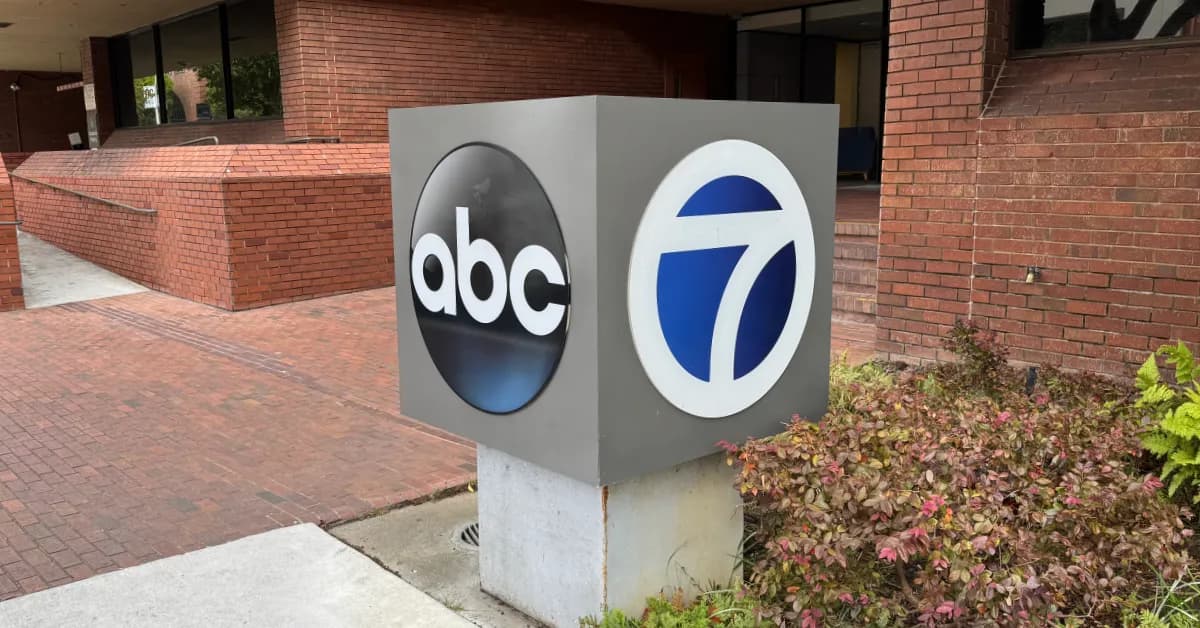
NAB Criticizes FCC for Calling in ABC Television Licenses Early
Companies Mentioned
Why It Matters
Early license renewals could set a regulatory precedent that unsettles broadcasters, threatening the stability of local news, emergency services, and the broader broadcast ecosystem.
Key Takeaways
- •FCC ordered Disney to file early renewals for eight ABC stations
- •NAB calls the move unprecedented and warns of industry uncertainty
- •FCC cites 1930s Communications Act and DEI probe as justification
- •Decision could set precedent for future broadcast license enforcement
- •FCC also reviewing NextGen TV rollout and relaxed ownership caps
Pulse Analysis
The Federal Communications Commission’s Media Bureau sent Disney a formal notice on April 24, demanding early renewal applications for eight ABC‑owned television stations in markets such as New York, Los Angeles and Chicago. The order references the 1930s Communications Act and follows a prolonged inquiry into Disney’s diversity, equity and inclusion (DEI) programs, a line of scrutiny championed by FCC Chairman Brendan Carr. By invoking the Act to compel pre‑emptive filings, the agency sidestepped its usual enforcement toolbox of fines and hearings, raising questions about procedural consistency.
The National Association of Broadcasters, long a partner of the Trump‑era FCC, issued an unusually sharp rebuke, labeling the move ‘unprecedented’ and warning that it creates “significant uncertainty” for all broadcasters. Local stations already wrestle with declining ad revenue, competition from streaming platforms, and the need to fund public‑interest programming such as emergency alerts and election coverage. An early‑renewal precedent could destabilize the licensing calendar, making it harder for stations to plan capital investments and potentially jeopardizing the reliability of critical public‑service broadcasts.
Beyond the ABC case, the FCC is weighing two sweeping initiatives: a mandated transition to the ATSC 3.0 ‘NextGen TV’ standard and a relaxation of national ownership caps to facilitate mergers. Proponents argue that modern transmission technology and consolidated ownership will help broadcasters compete with tech giants that dominate streaming and digital advertising. Critics, however, fear that accelerated rule changes combined with aggressive licensing actions could concentrate media power and erode localism. How the commission balances these reforms will shape the future landscape of American broadcast media.
NAB criticizes FCC for calling in ABC television licenses early
Comments
Want to join the conversation?
Loading comments...