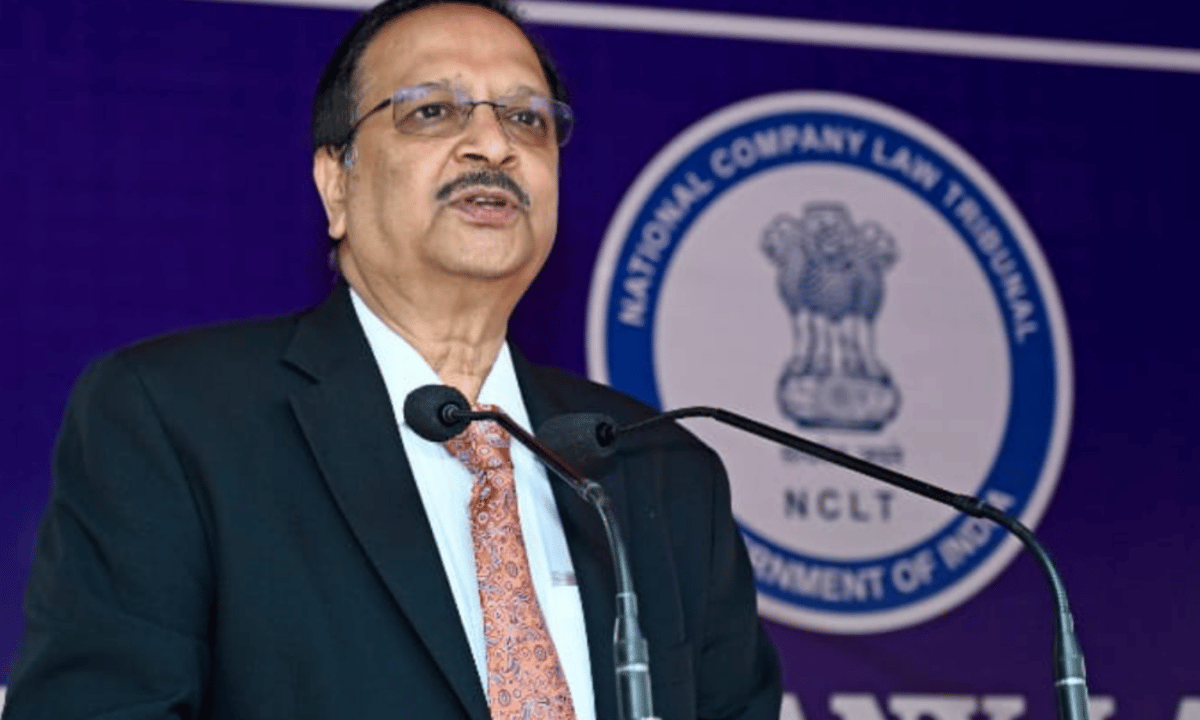
NCLT Refers Eros–Aanand L Rai Dispute to Arbitration
Why It Matters
The ruling reinforces the enforceability of arbitration clauses in India’s media‑financing contracts, limiting shareholders from bypassing agreed dispute‑resolution mechanisms. It signals to investors and creators that contractual arbitration will be upheld, shaping future co‑production and equity‑stake arrangements.
Key Takeaways
- •NCLT mandates arbitration for Eros‑Rai contractual dispute
- •Oppression claims dismissed as non‑company‑law issues
- •Arbitration clause deemed binding despite alleged governance breaches
- •Ruling sets precedent for media financing agreements in India
- •Investors must honor dispute‑resolution clauses or face tribunal dismissal
Pulse Analysis
The National Company Law Tribunal (NCLT) has become the de‑facto gatekeeper for enforcing arbitration clauses in India’s corporate disputes. By directing the Eros International‑Aanand L Rai disagreement to arbitration, the Mumbai bench reaffirmed that contractual obligations outrank attempts to re‑characterise disputes as oppression under the Companies Act. This approach aligns Indian jurisprudence with global trends that prioritize party‑chosen dispute‑resolution mechanisms, reducing court congestion and preserving the predictability of commercial contracts. The tribunal’s language, describing the petition as a “dressed‑up” attempt to sidestep arbitration, underscores judicial intolerance for procedural gaming.
The decision arrives at a pivotal moment for India’s media and entertainment financing model, which increasingly relies on equity stakes, co‑production deals, and layered funding from studios, OTT platforms, and independent creators. Arbitration provides a neutral forum to dissect complex issues such as related‑party transactions and governance transparency without exposing sensitive commercial data in public courts. Moreover, arbitration awards are enforceable across jurisdictions under the New York Convention, offering cross‑border credibility for Indian productions seeking global distribution. As a result, investors can structure deals with greater confidence that contractual safeguards will be enforceable, while creators retain access to capital without fearing unilateral boardroom maneuvers.
Beyond the immediate parties, the ruling sends a clear market signal: arbitration clauses are not ornamental fine print but binding commitments. Future contracts in the entertainment sector are likely to feature more detailed arbitration provisions, including venue, language and expert‑panel specifications, to mitigate jurisdictional uncertainty. Legal counsel and financiers will advise tighter governance reporting to pre‑empt disputes, while courts may see a decline in oppression‑based filings. Stakeholders are also likely to embed escalation clauses that trigger arbitration only after internal mediation, balancing speed with relationship preservation. Ultimately, the NCLT’s stance could accelerate the maturation of India’s content‑financing ecosystem, aligning it with international best practices.
NCLT refers Eros–Aanand L Rai dispute to arbitration
Comments
Want to join the conversation?
Loading comments...