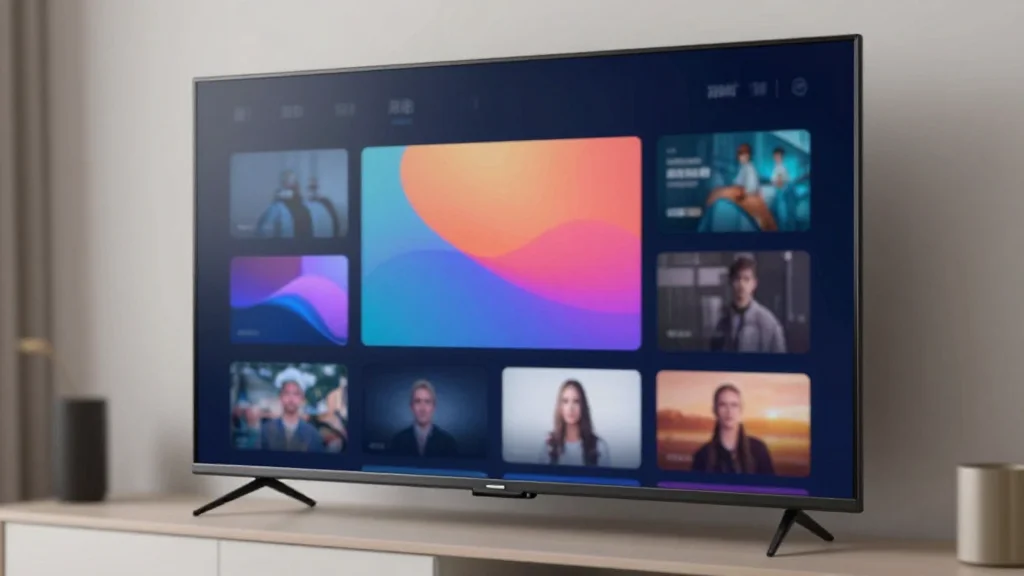
Roku Unveils AI‑Powered Home‑Screen Redesign for 100 Million Households

Companies Mentioned
Why It Matters
The Home Screen is the primary gateway to streaming content, and Roku’s redesign directly influences how viewers discover shows, how advertisers reach audiences, and how the company monetizes its platform. By embedding AI‑driven recommendations, Roku aims to shorten the decision‑making process for users, potentially increasing watch time and ad impressions. The move also signals a broader industry shift toward personalized, data‑rich interfaces that blur the line between content curation and advertising. For competitors such as Amazon Fire TV, Apple TV and Google TV, Roku’s upgrade raises the bar for user‑experience innovation. If the AI personalization proves effective, it could pressure rivals to accelerate their own recommendation engines and ad integrations, intensifying competition for both device market share and advertising dollars.
Key Takeaways
- •Roku begins rolling out its first major Home Screen redesign in over 10 years to U.S. users.
- •New interface adds AI‑powered Quick Access, For You, Top Picks and a real‑time Daily Scoop feed.
- •Prominent ad marquee introduced; Roku says ad-to‑organic content ratio is flexible.
- •Roku targets 100 million households; platform revenue forecast at $5 billion for 2026, up 21 %.
- •CEO Anthony Wood emphasizes user‑centric design while balancing monetization needs.
Pulse Analysis
Roku’s decision to overhaul its Home Screen at this scale reflects a strategic pivot from pure device sales to a platform‑centric business model. The company’s revenue mix already leans heavily on advertising and subscription fees, and the new AI‑driven layout is designed to deepen user engagement, which in turn fuels higher ad inventory fill rates. By personalizing the entry point to content, Roku can keep viewers within its ecosystem longer, reducing churn to competing platforms that rely on proprietary recommendation engines.
Historically, Roku’s strength has been its simplicity and device‑agnostic approach, which attracted a broad swath of cord‑cutters. However, the interface had grown stale compared with rivals that have invested heavily in AI curation. The introduction of billions of possible screen permutations suggests Roku is now leveraging large‑scale machine learning to compete on the same technological footing. If the AI models can reliably surface the right content at the right moment, Roku could see a measurable lift in average viewing sessions and, consequently, ad revenue.
The ad marquee is a double‑edged sword. While it opens a new revenue stream, it also risks alienating power users who value an uncluttered experience. Roku’s decision to make the new sections configurable may mitigate backlash, but the true test will be how advertisers perform in the new format. Early adoption metrics—click‑through rates, completion rates, and user satisfaction scores—will determine whether the redesign is a catalyst for growth or a costly misstep. Competitors will be watching closely; a successful rollout could force a wave of UI upgrades across the streaming‑device market, reshaping how households interact with digital entertainment.
Roku Unveils AI‑Powered Home‑Screen Redesign for 100 Million Households
Comments
Want to join the conversation?
Loading comments...