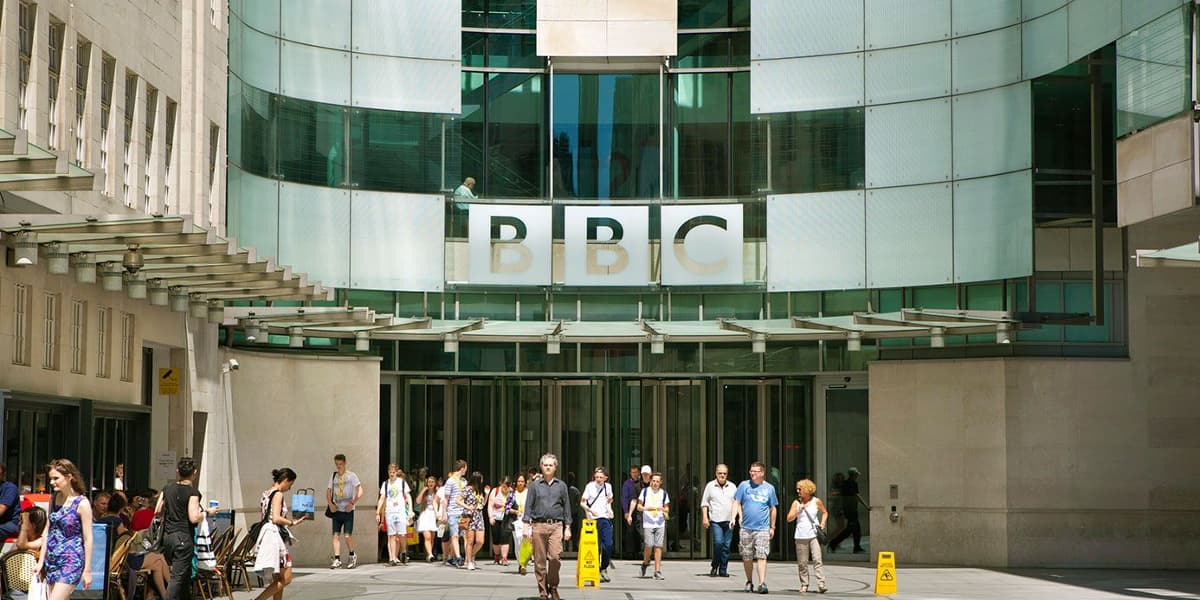
Week in Review: BBC Mulls Opening Up iPlayer to Other PSBs, Video Leads Digital Ad Growth in the UK, and UK Government Delays AI Copyright Rule Change
•March 6, 2026
0
Why It Matters
The BBC’s iPlayer proposal could reshape public‑service funding and competition, while video ad growth signals advertisers’ pivot to screen‑based formats, and the AI copyright delay underscores regulatory uncertainty for media and tech firms.
Key Takeaways
- •BBC explores iPlayer sharing with other public broadcasters.
- •Video ad spend hits £9.3bn, 20% YoY growth.
- •CTV accounts for one‑third of video investment.
- •UK delays AI copyright reforms amid industry opposition.
- •Advertising model shift could threaten BBC editorial independence.
Pulse Analysis
The BBC’s warning that its licence‑fee model is under pressure has sparked a bold proposal: open iPlayer to other public‑service broadcasters while keeping BBC content ad‑free. Declining live‑TV viewing and rising licence‑fee evasion have eroded the traditional revenue base, yet 94 % of Britons still consume BBC output. By allowing rival PSBs to use the platform with their own commercial or subscription models, the corporation hopes to preserve a national streaming hub that can compete with global services. The move also sidesteps the Green Paper’s more radical suggestion of BBC‑run advertising, which could jeopardise editorial independence.
Digital video advertising in the UK surged 20 % year‑on‑year to £9.3 billion, now representing almost a quarter of total digital spend. Connected‑TV alone accounts for 34 % of that video pie, while social platforms contribute 59 % of social video spend, underscoring the shift toward screen‑based consumption. Advertisers are rewarding formats that blend creativity with data, as AI‑driven measurement and full‑funnel attribution become standard. This momentum suggests that brands that master CTV and social video will capture the most engaged audiences, while traditional display and search continue to lose share in an increasingly video‑first ecosystem.
The UK government’s decision to postpone the AI‑copyright reforms reflects mounting pressure from the creative sector, which rejected the opt‑out model that would let tech firms train on copyrighted material unless rights‑holders withdrew permission. Industry players now favour bespoke licensing agreements rather than a blanket regulatory framework, fearing that a lax approach could erode revenue streams and dilute control over intellectual property. By buying more time, ministers signal a willingness to balance innovation with protection, but the delay also creates uncertainty for AI developers seeking clear rules. The outcome will shape how AI‑generated content interacts with traditional media ownership in the years ahead.
Week in Review: BBC Mulls Opening Up iPlayer to Other PSBs, Video Leads Digital Ad Growth in the UK, and UK Government Delays AI Copyright Rule Change
0
Comments
Want to join the conversation?
Loading comments...