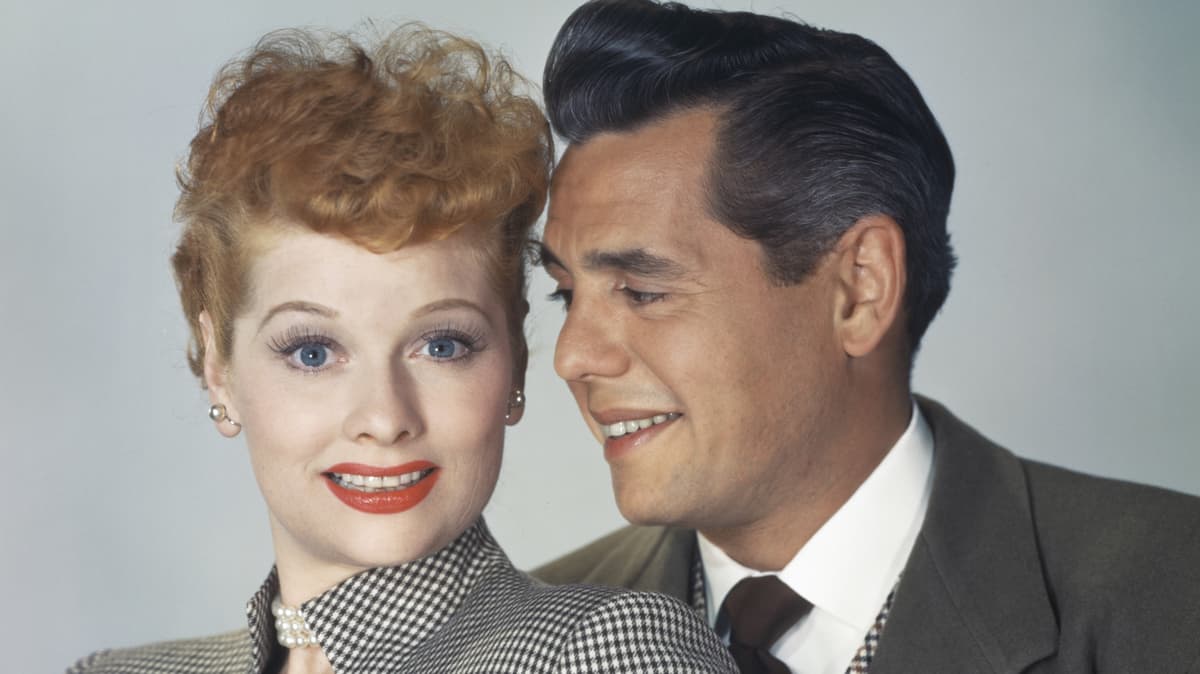
Why CBS Didn't Want Desi Arnaz To Star In I Love Lucy
•March 6, 2026
0
Why It Matters
The showdown highlighted how network bias could shape casting, while the eventual success demonstrated audience appetite for authentic, diverse storytelling, reshaping TV programming norms.
Key Takeaways
- •CBS opposed casting Desi Arnaz due to ethnicity concerns.
- •Lucille Ball insisted Arnaz be cast, threatening to quit.
- •Vaudeville tour proved audience acceptance, swaying network.
- •Show broke racial barriers, depicting mixed marriage on TV.
- •Sponsor pressure delayed pregnancy storyline; Arnaz secured approval.
Pulse Analysis
When *I Love Lucy* was pitched, CBS executives feared that an American audience would reject a Cuban‑born husband for the beloved Lucille Ball. Their hesitation reflected broader industry anxieties about race and representation in the early days of network television. Ball’s unwavering stance—threatening to abandon the project—forced the network to confront its own biases. The couple’s decision to showcase their chemistry on a vaudeville circuit provided tangible proof that viewers would embrace the partnership, ultimately compelling CBS to green‑light the series.
Beyond casting, the show’s production confronted sponsor power dynamics. Philip Morris, the program’s primary advertiser, objected to a storyline that mirrored Ball’s real‑life pregnancy, fearing it might alienate consumers. Desi Arnaz’s direct appeal to the sponsor’s chairman underscored the delicate balance between creative control and commercial interests. By securing approval for the pregnancy arc, Arnaz not only preserved narrative authenticity but also set a precedent for talent negotiating with advertisers, a practice that resonates in today’s brand‑content collaborations.
The legacy of *I Love Lucy* extends far beyond its laugh tracks. As one of the first mainstream sitcoms to portray an interracial marriage, it paved the way for subsequent diversity initiatives across television. Modern producers cite the series when arguing for inclusive casting, recognizing that audience acceptance often follows authentic storytelling rather than network assumptions. The program’s enduring popularity illustrates how early challenges to homogenous programming can translate into long‑term commercial success, reinforcing the business case for representation in today’s fragmented media landscape.
Why CBS Didn't Want Desi Arnaz To Star In I Love Lucy
0
Comments
Want to join the conversation?
Loading comments...