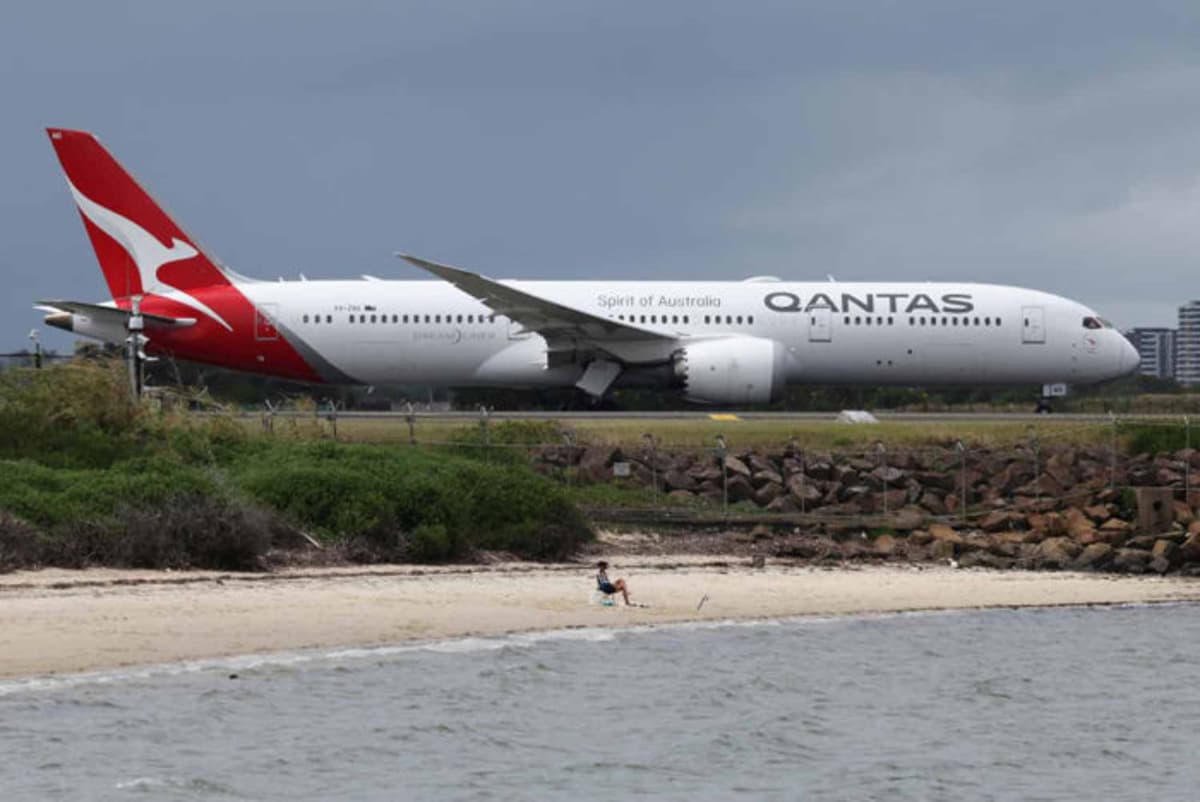
Australian Airline Qantas' Shares Fall More than 10% on US-Iran Conflict
•March 2, 2026
0
Why It Matters
The sharp sell‑off highlights how quickly geopolitical tensions can erode airline valuations and pressure earnings forecasts, signaling heightened risk for investors and operators in the sector.
Key Takeaways
- •Qantas shares dropped over 10% after US‑Iran strikes
- •Oil price surge pressured airline earnings expectations
- •Middle East hub closures disrupted global flight schedules
- •Virgin Australia fell then modestly recovered
- •Air New Zealand saw minor dip reflecting regional impact
Pulse Analysis
Geopolitical volatility has long been a hidden cost for airlines, but the recent US‑Israel strikes on Iran have thrust it into the spotlight. The sudden escalation spiked crude prices, inflating fuel costs—a major expense for carriers. Investors reacted swiftly, penalizing Qantas and its peers as the market priced in higher operating costs and potential route disruptions. This episode reinforces the need for airlines to hedge fuel exposure and diversify route networks away from conflict‑prone regions.
The closure of Dubai and Doha, two of the world’s busiest transit hubs, created a cascade effect across global itineraries. Tens of thousands of passengers faced cancellations, and airlines scrambled to re‑route flights, incurring additional crew and airport fees. For carriers like Qantas, which relies heavily on Middle Eastern connections for Asia‑Pacific traffic, the disruption translates into immediate revenue loss and longer‑term reputation challenges. Competitors with more flexible hub strategies may capture displaced demand, reshaping market share dynamics.
From an investment perspective, the Qantas sell‑off serves as a cautionary tale about concentration risk. Shareholders now demand clearer risk‑management frameworks, including geopolitical scenario planning and robust fuel‑hedging programs. Analysts will likely adjust earnings models to reflect a higher volatility premium, while regulators may scrutinize airline contingency plans. Ultimately, the incident underscores that airline profitability is increasingly intertwined with global political stability, making strategic resilience a critical competitive advantage.
Australian airline Qantas' shares fall more than 10% on US-Iran conflict
0
Comments
Want to join the conversation?
Loading comments...