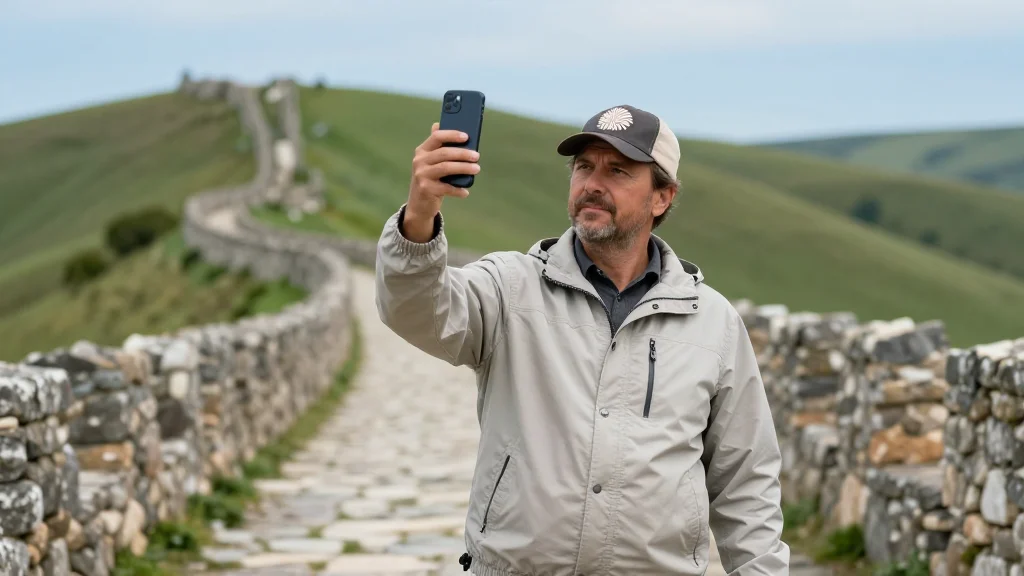
Galicia Hires U.S. Influencers to Drive Camino De Santiago Pilgrimage Boom

Companies Mentioned
Why It Matters
The Galicia influencer initiative illustrates how destination marketing is evolving from brochure‑based outreach to real‑time, creator‑driven storytelling. By targeting the United States—now the Camino’s biggest foreign market—the region aims to convert social media engagement into tangible tourism revenue, potentially reshaping pilgrimage economics. Moreover, the partnership with United Airlines signals a strategic alignment between transportation providers and destination brands, a model other heritage sites may emulate to attract younger, digitally native travelers. If the campaign succeeds, it could accelerate the trend of turning cultural and religious journeys into shareable experiences, prompting other regions to invest in influencer collaborations and direct flight routes. This shift may also raise questions about preserving the authenticity of pilgrim experiences amid increasing commercial pressures.
Key Takeaways
- •Galicia launches a U.S. influencer campaign to promote the Camino de Santiago.
- •United Airlines will start nonstop New York‑Santiago de Compostela flights on May 28, 2026.
- •44,000 American pilgrims walked the Camino in 2025, the highest foreign count.
- •Over 274,000 U.S. tourists visited Galicia in 2025, highlighting market potential.
- •The strategy blends emotional tourism with viral digital content to attract younger travelers.
Pulse Analysis
Galicia’s decision to fuse a direct air link with a creator‑centric marketing push reflects a broader industry pivot toward demand‑side, digital‑first tourism. Historically, pilgrimage routes relied on word‑of‑mouth, guidebooks and religious institutions to attract visitors. Today, the rise of short‑form video platforms has democratized storytelling, allowing destinations to reach niche audiences at scale. By leveraging influencers with millions of followers, Galicia can bypass traditional media gatekeepers and present the Camino as a lifestyle experience rather than a purely spiritual undertaking.
The timing is crucial. The new United Airlines route eliminates a major logistical barrier, reducing travel time and cost for U.S. pilgrims. This infrastructure investment, combined with the influencer campaign, creates a feedback loop: easier access fuels higher interest, which in turn justifies further flight frequency and capacity. Competing regions—such as Portugal’s own Camino routes—may feel pressure to replicate similar strategies, potentially sparking a race for digital dominance among European pilgrimage destinations.
However, the approach carries risks. Over‑commercialization could dilute the Camino’s cultural authenticity, alienating traditional pilgrims who value the route’s historic and spiritual roots. Balancing viral appeal with heritage preservation will be essential. Monitoring metrics like average stay length, spend per pilgrim, and repeat visitation will help Galicia gauge whether the influencer model delivers sustainable growth or merely a short‑term spike in social media impressions. The outcome will likely inform how other heritage sites worldwide craft their own digital‑first tourism playbooks.
Galicia hires U.S. influencers to drive Camino de Santiago pilgrimage boom
Comments
Want to join the conversation?
Loading comments...