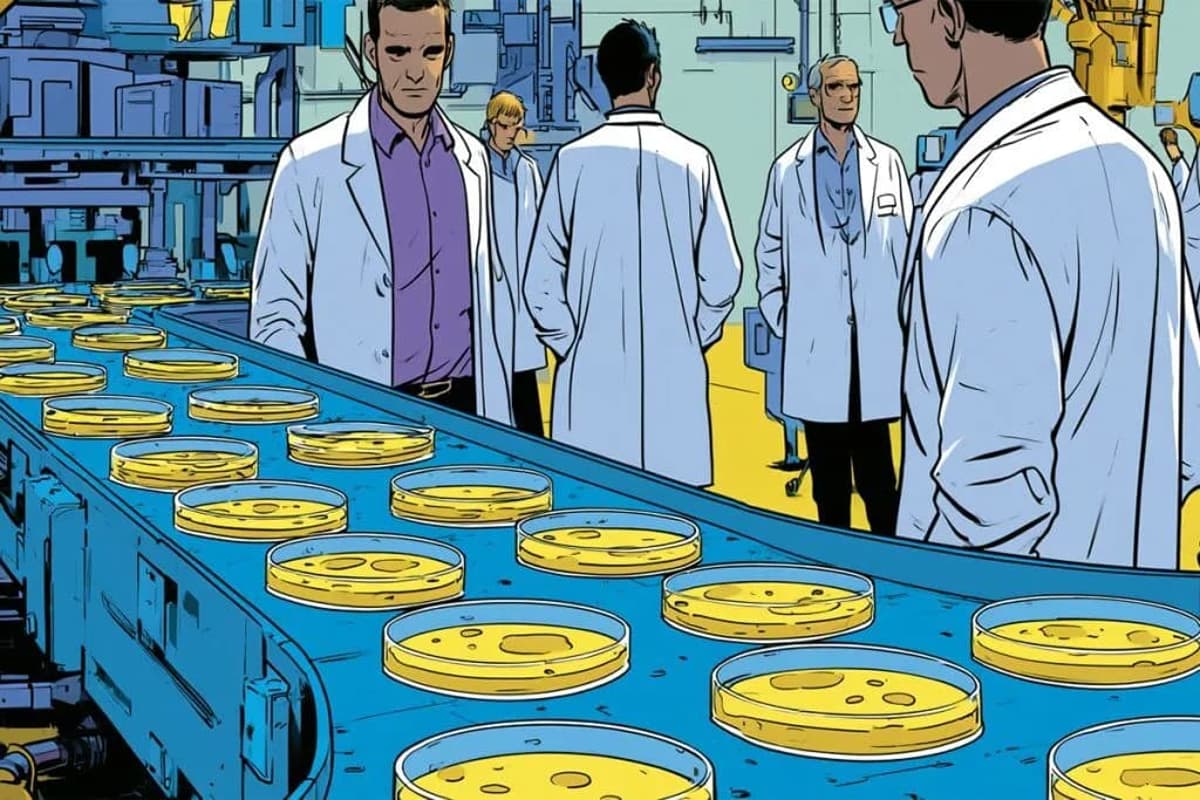
ARK Invest Backs the Factories Behind Automated Cell Therapies
Key Takeaways
- •ARK Invest contributes $20M to Cellares' $277M Series D
- •Cellares delivered first GMP-grade CAR‑T doses using Cell Shuttle
- •Smart Factories claim ten‑times batch capacity versus traditional sites
- •Global rollout planned for 2027, targeting Europe and Japan
- •Automation shift moves industry focus from discovery to manufacturing scale
Pulse Analysis
Cell therapy has emerged as a breakthrough modality for cancer and autoimmune diseases, yet its personalized nature creates a manufacturing bottleneck that limits scalability. Traditional biomanufacturing relies on batch processes suited to small‑molecule drugs, making each patient‑specific product labor‑intensive and costly. As the pipeline of CAR‑T and gene‑edited therapies expands, investors and developers are seeking solutions that can transition from artisanal production to an assembly‑line model, thereby unlocking broader market adoption.
Cellares addresses this gap with its Cell Shuttle platform, a robotic system that integrates cell handling, gene editing, and quality control within a closed, GMP‑compliant environment. The recent delivery of GMP‑grade doses for Cabaletta Bio’s rese‑cel therapy provides concrete evidence that automation can meet clinical timelines. ARK Invest’s $20 million infusion, alongside heavyweight backers like BlackRock and T Rowe Price, signals confidence that the technology can scale. The company’s Smart Factories promise up to ten times the batch output of conventional facilities while occupying a similar footprint, a claim that could redefine cost structures if validated in commercial settings.
The implications extend beyond oncology. As longevity research pushes toward personalized regenerative interventions, the need for repeatable, high‑volume manufacturing will become universal. Reducing production complexity is one of the few levers that can directly influence therapy pricing, potentially making high‑cost treatments more affordable. If Cellares successfully deploys its global network by 2027, the biotech industry may witness a shift where manufacturing infrastructure, rather than discovery breakthroughs, becomes the primary competitive advantage. This evolution could accelerate the translation of cutting‑edge therapies from lab benches to bedside, reshaping the economics of next‑generation medicine.
ARK Invest backs the factories behind automated cell therapies
Comments
Want to join the conversation?