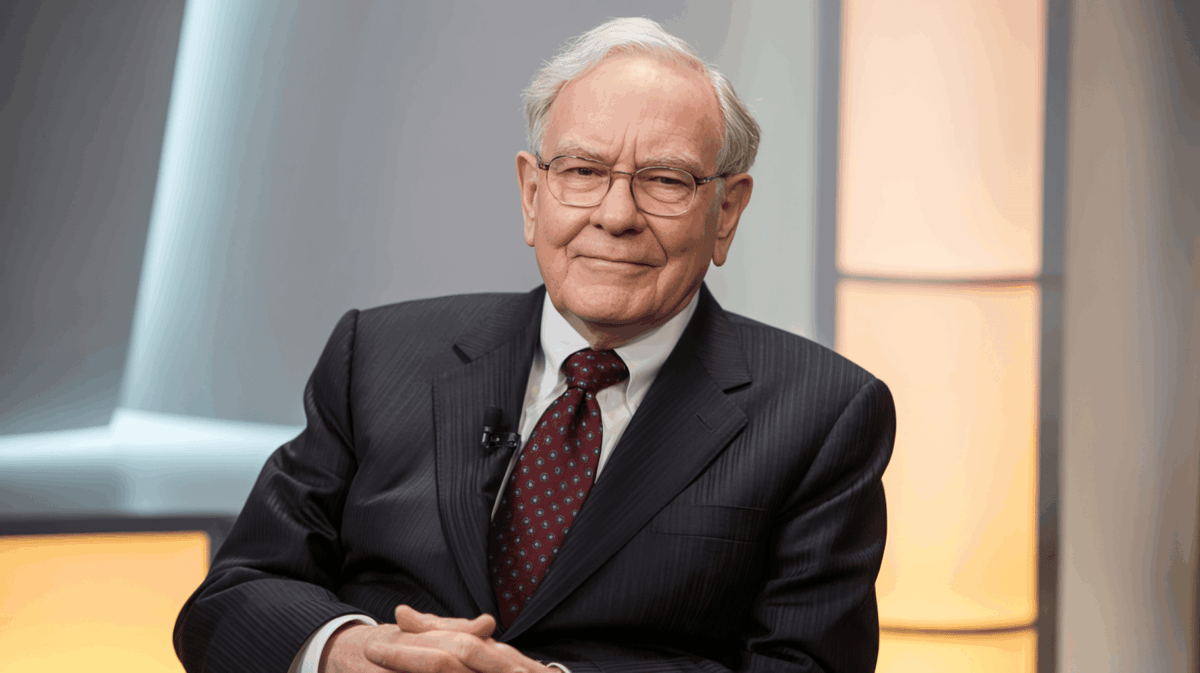
Compound Interest Explained By Warren Buffett: Why It Is The Secret Ingredient To Becoming Rich
Key Takeaways
- •$10,000 at 10% grows to $453,000 over 40 years.
- •Early years of compounding appear slow, causing many investors to quit.
- •Holding high‑return businesses lets earnings compound without extra capital.
- •Continuous reading builds knowledge compounding, sharpening investment decisions.
Pulse Analysis
Compound interest is the engine that turns modest savings into fortunes, a point Buffett has hammered home for decades. The mathematics are simple: a steady 10 % annual return doubles roughly every seven years, and the effect accelerates as the base grows. Buffett’s snowball analogy captures this dynamic—wet snow represents a reliable return, while a long hill provides the time needed for the snowball to become unstoppable. The $10,000‑to‑$453,000 illustration shows how patience, not market timing, creates the exponential curve. Because the curve is exponential, missing even a few years can shave off millions.
The early phase of compounding feels painfully slow, a psychological trap that drives many investors to cash out before the curve steepens. Each premature sale not only erodes the principal but also triggers taxable events that permanently shrink the future growth base. Moreover, frequent trading introduces transaction costs and decision fatigue, compounding errors that further depress returns. Buffett’s advice to “own something great and leave it alone” sidesteps these pitfalls, allowing the investment to compound uninterrupted and maximize after‑tax wealth. The cumulative drag from taxes and fees can easily erode a 2‑percent annual advantage over a lifetime.
Applying the compounding mindset to business selection magnifies the advantage. Companies that generate high returns on capital and can reinvest earnings at similar rates act as self‑sustaining snowballs, delivering shareholder value without heavy capital outlays. Identifying such firms requires disciplined research—a habit Buffett honed by reading hundreds of annual reports annually. This knowledge accumulation compounds like capital, sharpening judgment over decades. For investors, the formula is clear: start early, choose high‑ROIC businesses, hold long, and continuously invest in learning to let both money and insight grow together. By treating education as an asset, investors create a parallel compounding engine that fuels better capital allocation decisions.
Compound Interest Explained By Warren Buffett: Why It Is The Secret Ingredient To Becoming Rich
Comments
Want to join the conversation?