Expense Ratio: Why It Matters In Investing
Key Takeaways
- •Lower expense ratios boost net returns over time.
- •Index funds typically have expense ratios under 0.1%, active funds higher.
- •VOO’s 0.03% fee outperforms SPY’s 0.0945% in long run.
- •Fees matter, but savings rate and asset allocation drive wealth more.
- •Over‑focusing on fees can cause unnecessary portfolio churn.
Pulse Analysis
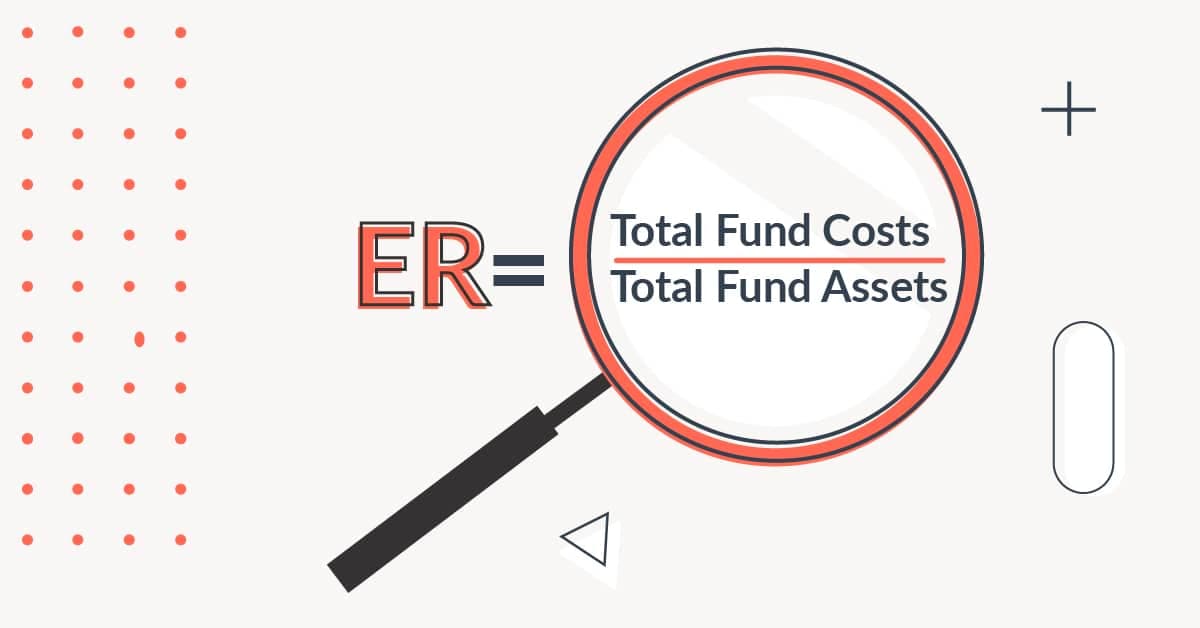
Expense ratios are the silent tax on every dollar a fund holds, and their impact compounds dramatically over decades. Academic studies, including those cited by Burton Malkiel, show that active managers not only underperform broad market benchmarks but also charge fees that can shave off half a percentage point—or more—from returns each year. When two funds track the same index, the one with the lower expense ratio consistently delivers higher net performance, as illustrated by the VOO versus SPY comparison where a 0.06% fee gap translates into a noticeable return differential over time.
While minimizing fees is a prudent first step, investors must look beyond the expense ratio to the broader cost landscape. A high savings rate can outweigh a modest fee differential, and strategic asset allocation often dictates the bulk of portfolio growth. Tax efficiency—using retirement accounts, harvesting losses, and avoiding unnecessary capital gains—can further boost after‑tax returns. Additionally, trading commissions, especially in niche markets like crypto, can erode gains as quickly as a high expense ratio. Balancing these variables creates a more holistic view of total cost of ownership.
Practical guidance starts with selecting low‑cost, broad‑based index ETFs that align with an investor’s risk tolerance and time horizon. Tools such as Morningstar or the fund’s prospectus provide transparent expense disclosures, enabling side‑by‑side fee comparisons. However, fee‑chasing should not trigger constant portfolio turnover; the transaction costs and tax consequences of frequent switching often negate any marginal fee savings. Instead, adopt a disciplined, long‑term strategy that prioritizes low fees, robust asset allocation, and tax‑aware investing to maximize compound growth.
Expense Ratio: Why It Matters In Investing
Comments
Want to join the conversation?