How Does a Bond Ladder Work?
Key Takeaways
- •iShares tool lets investors create custom bond ladders with target‑maturity ETFs
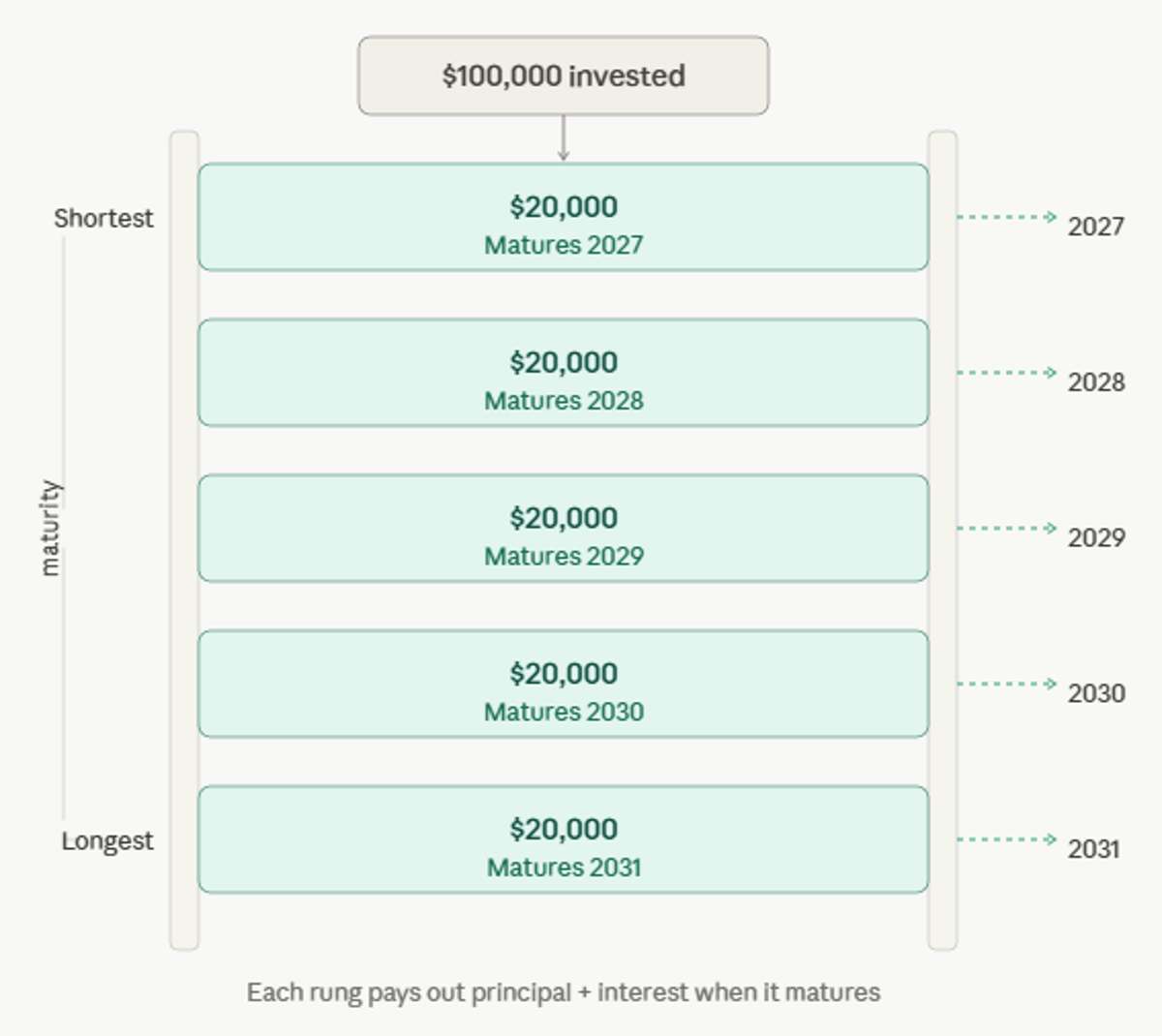
- •Laddering spreads rate risk and provides known cash flows at specific dates
- •Target‑maturity funds converge to par at maturity, reducing price volatility
- •Reinvestment risk remains when proceeds are rolled into lower‑yielding funds
- •Perpetual ETFs like BND never mature, keeping duration stable but price volatile
Pulse Analysis
Bond ladders have resurfaced as a practical solution for investors who need cash at predetermined intervals, such as retirees planning withdrawals or families saving for tuition. The proliferation of target‑maturity ETFs—offered by major managers like iShares, Vanguard and State Street—means investors can now construct a ladder without the logistical hurdles of purchasing individual bonds. The iShares interactive platform simplifies the process, allowing users to select corporate, treasury, municipal or high‑yield slices and instantly see the impact on yield, duration and cash‑flow timing.
Unlike perpetual funds such as Vanguard’s BND, which continuously roll maturing securities into new holdings, target‑maturity ETFs have a fixed end date and aim to return principal at par when they mature. This structure reduces price volatility as the fund approaches its target date, because the payout becomes more predictable. However, the funds still react to interest‑rate shifts, and investors must decide whether to reinvest proceeds or take the cash, exposing them to reinvestment risk if yields have fallen.
The ladder approach shines when investors value certainty over maximum total return. By staggering maturities, they mitigate interest‑rate risk and create a built‑in dollar‑cost averaging effect across the yield curve. The trade‑off is the need for active monitoring—tracking each fund’s maturity, selecting new horizons, and managing tax implications. For those comfortable with periodic adjustments, a ladder built from target‑maturity ETFs offers a blend of bond‑market exposure and cash‑flow predictability that pure perpetual ETFs cannot match.
How Does a Bond Ladder Work?
Comments
Want to join the conversation?