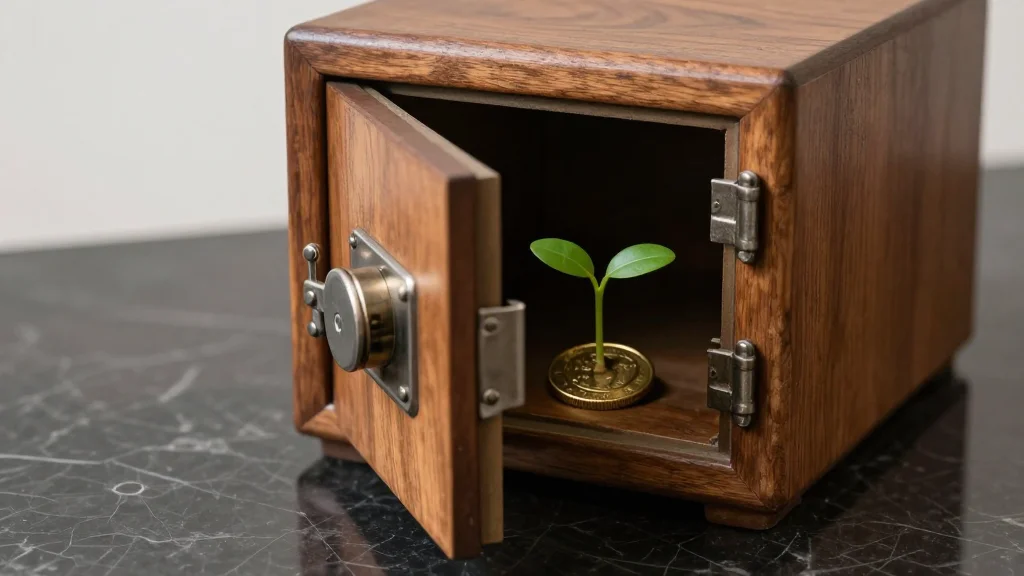
How Often Should You Check Your Investment Portfolio?
Key Takeaways
- •Daily checks trigger loss aversion, lowering investor satisfaction
- •Quarterly reviews provide enough feedback while preserving higher returns
- •Deleting apps adds friction, reducing myopic loss aversion
- •Diversified long‑term portfolios outperform single‑country holdings over decades
- •Frequent feedback reduces risk‑taking, harming portfolio performance
Pulse Analysis
The rise of mobile investing apps has turned a traditionally long‑term activity into a high‑frequency habit. Every trading day the S&P 500 is up only 56 percent of the time, a near‑coin‑flip that, when viewed daily, triggers the brain’s loss‑aversion bias—losses feel roughly twice as painful as equivalent gains feel rewarding. This psychological trap, likened to a slot‑machine interface, keeps investors glued to red and green tickers, generating anxiety without adding value to their financial outcomes.
Decades of academic research back the claim that less frequent portfolio feedback improves performance. Ben Carlson’s analysis shows that while daily checks produce negative emotional returns, extending the horizon to five or ten years virtually eliminates the chance of being down. Experiments by Kahneman, Thaler and Benartzi on myopic loss aversion reveal that participants who received fewer performance updates took more risk and earned higher returns. Real‑world illustrations—Bob’s disastrous timing versus the Japanese market’s long‑run underperformance—underscore that the key lever is not market choice but the frequency of attention.
Practically, investors should redesign their environment rather than rely on willpower. Setting a quarterly or annual review cadence, deleting investment apps from smartphones, and shifting the focus from daily price changes to goal‑based progress create friction that curbs compulsive checking. Coupled with a diversified, globally‑balanced portfolio, these steps transform investing from a reactive pastime into a strategic, low‑stress wealth‑building process, delivering both better financial outcomes and a healthier relationship with money.
How often should you check your investment portfolio?
Comments
Want to join the conversation?