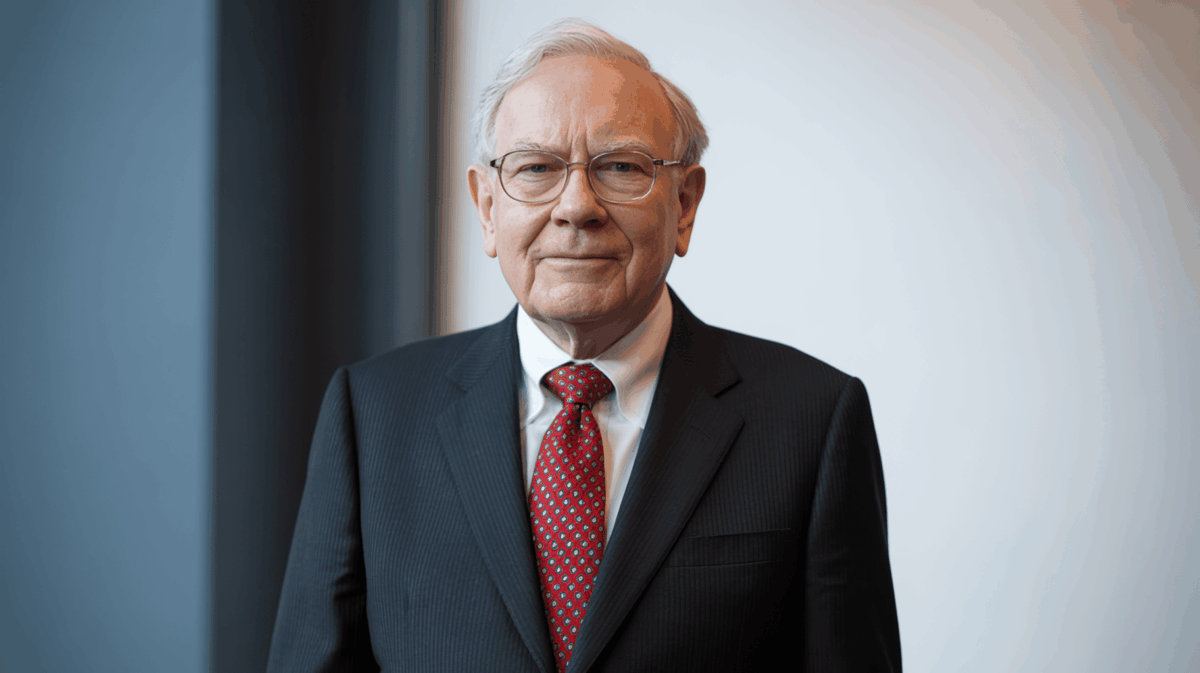
Warren Buffett Explains Passive Income: Making Money While You Sleep
Key Takeaways
- •Buffett defines passive income as long‑term ownership, not quick hacks
- •Compounding works when returns are left untouched for decades
- •Economic moats protect cash‑flow businesses that fund dividend income
- •Low‑cost S&P 500 index funds outperform most active managers over time
- •Avoiding fees and trading keeps more money growing passively
Pulse Analysis
Warren Buffett’s take on passive income cuts through the internet’s hype for get‑rich‑quick schemes. He treats it as the inevitable by‑product of owning high‑quality businesses and letting time do the work. The core of his philosophy is front‑loading effort—saving, learning, and allocating capital—then allowing the assets to generate cash flow indefinitely. This contrasts sharply with modern “side‑hustle” narratives that promise immediate payouts without substantial investment, underscoring why disciplined ownership remains the most reliable path to financial independence.
The engine that powers Buffett’s passive stream is compounding, a principle he calls the single most important concept in finance. By holding stocks such as Coca‑Cola for decades, Berkshire Hathaway has harvested steady dividend checks while the underlying equity appreciates, creating a snowball effect that multiplies modest annual returns into billions. Equally vital are the economic moats of his holdings—brands like See’s Candies generate consistent pre‑tax earnings with minimal reinvestment. This combination of durable cash flow and low‑maintenance capital needs turns ordinary businesses into reliable income trees that shade investors for generations.
For everyday investors, Buffett’s prescription is startlingly simple: allocate the bulk of cash to a low‑cost S&P 500 index fund and resist the urge to trade. The 2013 shareholder letter recommends a 90/10 split between the index fund and short‑term Treasury bills, a mix that historically outperforms most active managers after fees. Discipline matters as much as knowledge; even index investing requires understanding expected returns and drawdown patterns. By minimizing management fees, avoiding short‑term capital‑gains taxes, and staying patient, investors can let compounding work uninterrupted, turning modest contributions into lasting passive income.
Warren Buffett Explains Passive Income: Making Money While You Sleep
Comments
Want to join the conversation?