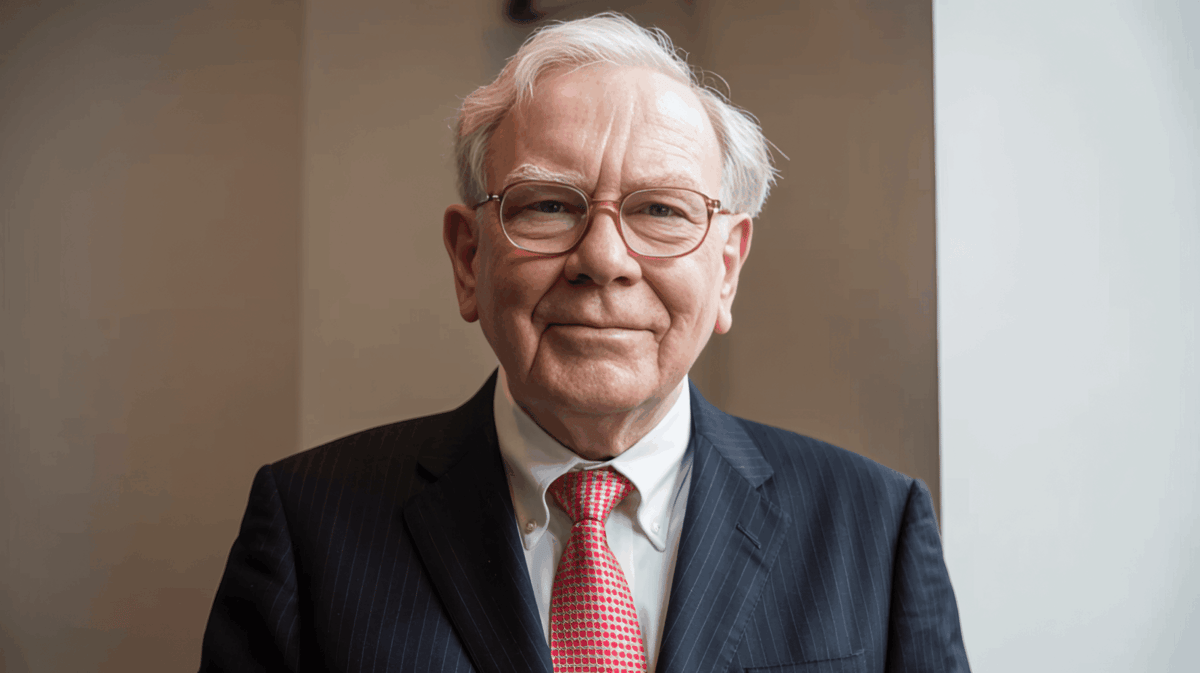
Warren Buffett: The “Toll Bridge” Strategy That Quietly Builds Wealth Over Time
Key Takeaways
- •Toll bridges own critical chokepoints, forcing unavoidable customer participation
- •Small transaction fees generate massive cash flow with minimal price resistance
- •Low capital needs let earnings compound without reinvestment drag
- •Inflation amplifies returns as original assets were built with older dollars
- •Modern toll bridges include payment networks, exchanges, and embedded software platforms
Pulse Analysis
The “toll bridge” metaphor, coined by Warren Buffett, captures a timeless investing principle: own the infrastructure that commerce cannot bypass. By controlling a chokepoint—whether a physical bridge, a payment network, or a software platform—a company secures a steady stream of revenue regardless of economic cycles. This structural advantage mirrors the classic economic moat, but with the added benefit of minimal competitive pressure once the bridge is built. Buffett’s emphasis on low capital intensity ensures that earnings are not siphoned back into upkeep, freeing cash for compounding growth.
Three pillars underpin the strategy: pricing power, low capital requirements, and a critical chokepoint. Small, per‑transaction fees are barely noticeable to users, yet when multiplied across billions of transactions they generate outsized cash flow. Because the fee is a tiny fraction of the total value, firms can modestly raise prices without provoking backlash, turning inflation into a revenue boost rather than a cost burden. The low‑capital nature of these businesses means that once the initial investment is made—often in “old dollars”—the asset’s replacement cost rises over time, creating a natural barrier to new entrants and enhancing long‑term profitability.
For investors, the toll‑bridge framework offers a practical screening tool. Look for companies with high switching costs, ubiquitous usage, and a business model that extracts a fixed fee from massive transaction volumes. Payment processors like Visa, stock exchanges such as Nasdaq, and enterprise SaaS providers that become the backbone of corporate workflows exemplify modern toll bridges. Incorporating these assets into a diversified portfolio can deliver steady, inflation‑adjusted returns while reducing exposure to cyclical downturns. However, diligence is essential: not every platform with recurring revenue qualifies—true toll bridges must exhibit all three structural advantages to deliver the frictionless compounding Buffett champions.
Warren Buffett: The “Toll Bridge” Strategy That Quietly Builds Wealth Over Time
Comments
Want to join the conversation?