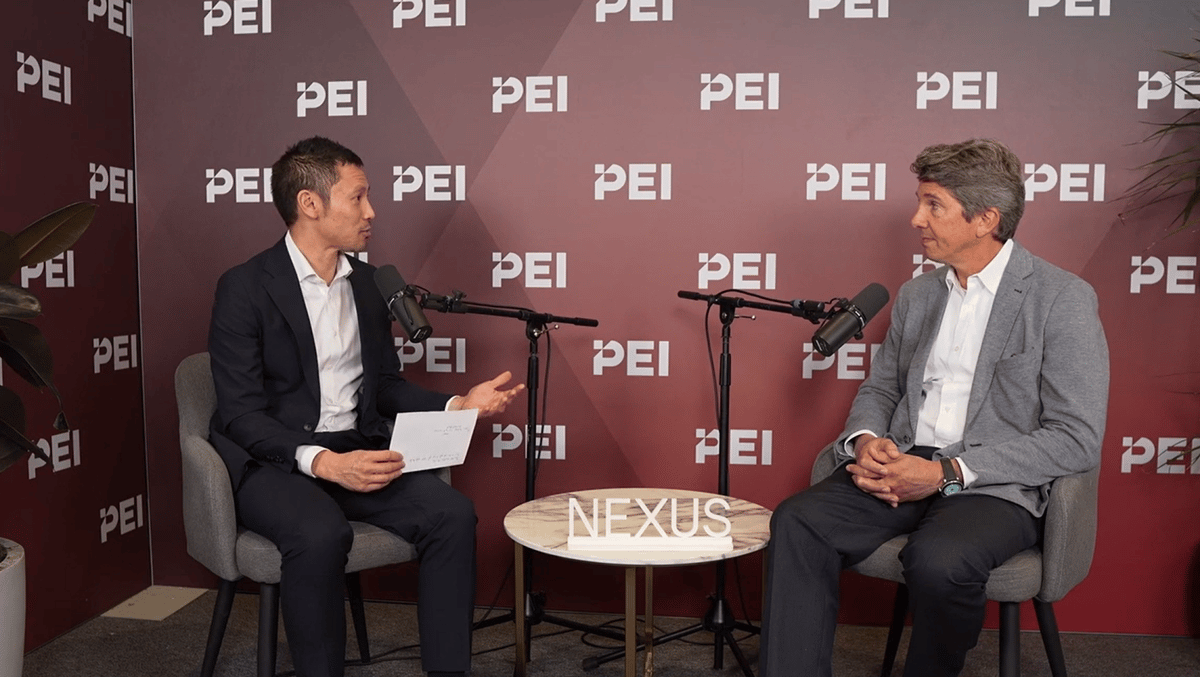
Wealth Manager Hollow Brook: There’s an Important Place for PE in Family Office Portfolios
•February 27, 2026
0
Why It Matters
Family offices can now tap private equity’s strong returns and diversification benefits without the traditional liquidity constraints, reshaping wealth‑management strategies across the sector.
Key Takeaways
- •Democratization expands PE access for non‑institutional investors
- •Secondary market growth improves liquidity for private equity holdings
- •Family offices increasingly allocate to PE for diversification
- •Hollow Brook positions PE as core portfolio component
- •Robust PE returns attract wealth managers seeking client growth
Pulse Analysis
Private equity, once the preserve of large institutions, is undergoing a rapid democratization driven by lower minimum commitments and a flourishing secondary market. These developments allow family offices—typically managing multi‑generational wealth—to access deals that were previously out of reach. Philip Richter of Hollow Brook notes that the secondary market not only broadens the pool of available assets but also introduces a degree of liquidity that mitigates the traditional long‑hold nature of private equity. As a result, family offices are reevaluating their asset allocation models to include a larger PE slice.
The appeal of private equity for family offices lies in its historically strong risk‑adjusted returns and its ability to diversify away from public market volatility. Secondaries provide a pathway to acquire mature stakes at discounted prices, shortening the investment horizon and reducing capital lock‑up. Moreover, the alignment of interests between general partners and limited partners resonates with the stewardship ethos of many family offices, which prioritize capital preservation alongside growth. However, managers must still navigate valuation transparency and operational oversight challenges inherent to private markets.
Hollow Brook’s endorsement of PE reflects a broader shift among wealth managers to position private equity as a core portfolio pillar rather than a peripheral allocation. By integrating secondary transactions and co‑investment opportunities, firms can tailor exposure to match each family office’s risk tolerance and liquidity needs. Looking ahead, continued expansion of secondary platforms and the rise of fund‑of‑fund structures are likely to further lower entry barriers, making PE an indispensable component of sophisticated wealth strategies. Advisors who master these tools will help clients capture upside while managing downside risk.
Wealth manager Hollow Brook: There’s an important place for PE in family office portfolios
0
Comments
Want to join the conversation?
Loading comments...