Games and Graphics Boost Client Engagement, Understanding
•February 24, 2026
0
Why It Matters
Improved client comprehension reduces mis‑allocation of retirement assets and enhances advisory effectiveness, giving firms a competitive edge in wealth management.
Key Takeaways
- •Infographics boost retirement rule comprehension dramatically
- •Gamified simulations increase client motivation and long‑term planning
- •Combined visual and interactive tools enhance advisor‑client engagement
- •Clear visuals reduce cognitive overload in complex financial topics
- •Scenario‑based games translate abstract savings decisions into tangible outcomes
Pulse Analysis
Advisors face a persistent hurdle: translating dense retirement regulations into language clients can actually use. Visual communication—especially well‑designed infographics—has long been a go‑to tactic, but the new study quantifies its impact, showing significant lifts in knowledge of withdrawal limits, tax‑free thresholds, and fund structures. By stripping away jargon and presenting data in bite‑size graphics, advisors cut cognitive overload, a key barrier to informed decision‑making, and lay a solid factual foundation for deeper conversations.
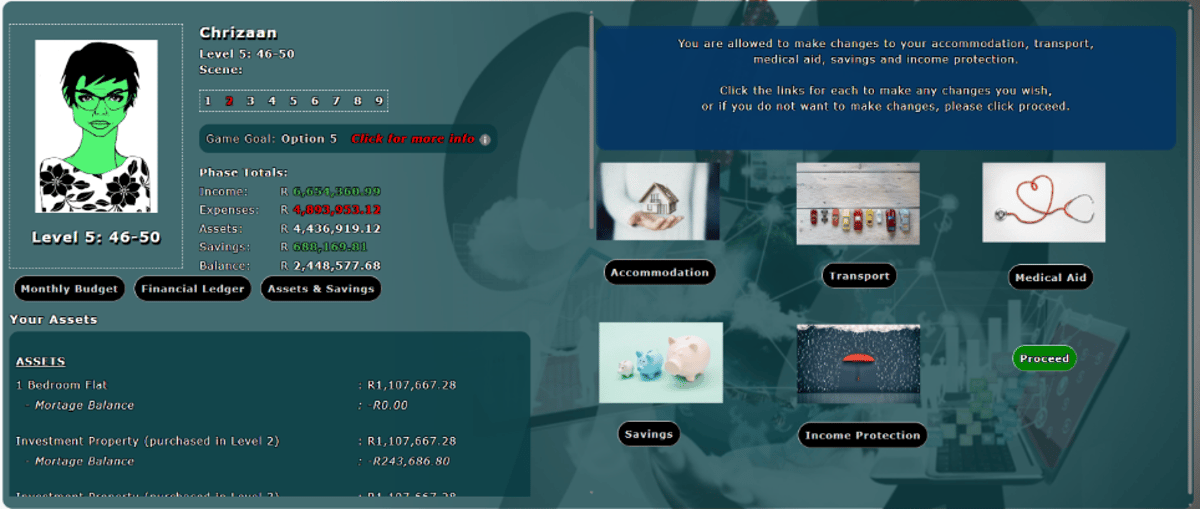
Beyond static images, the research highlights the power of gamified, scenario‑based tools that let clients virtually walk through a working life, adjusting savings rates, retirement ages, and withdrawal strategies. This experiential learning taps behavioral economics principles, turning abstract concepts into concrete outcomes that trigger emotional responses. Participants reported higher motivation and a clearer sense of long‑term consequences, suggesting that interactive simulations can shift client behavior from passive reception to active planning.
The practical takeaway for wealth‑management firms is to adopt a hybrid communication model: start meetings with concise infographics to establish baseline understanding, then transition to interactive simulations that reinforce behavioral insights. Such a blended approach not only improves client engagement but also differentiates advisors in a crowded market where digital tools are becoming the norm. As fintech platforms integrate visual dashboards and gamified planning modules, firms that master this synergy will likely see higher client retention, better portfolio outcomes, and a stronger reputation for client‑centric advice.
Games and graphics boost client engagement, understanding
0
Comments
Want to join the conversation?
Loading comments...