Inside the Programs Reshaping Financial Planning's Talent Pipeline
Companies Mentioned
Why It Matters
By formalizing financial‑planning education, the industry can attract impact‑driven talent and reduce reliance on commission‑driven models, strengthening client trust and closing the succession gap.
Key Takeaways
- •CFP Board programs up 16% since 2020
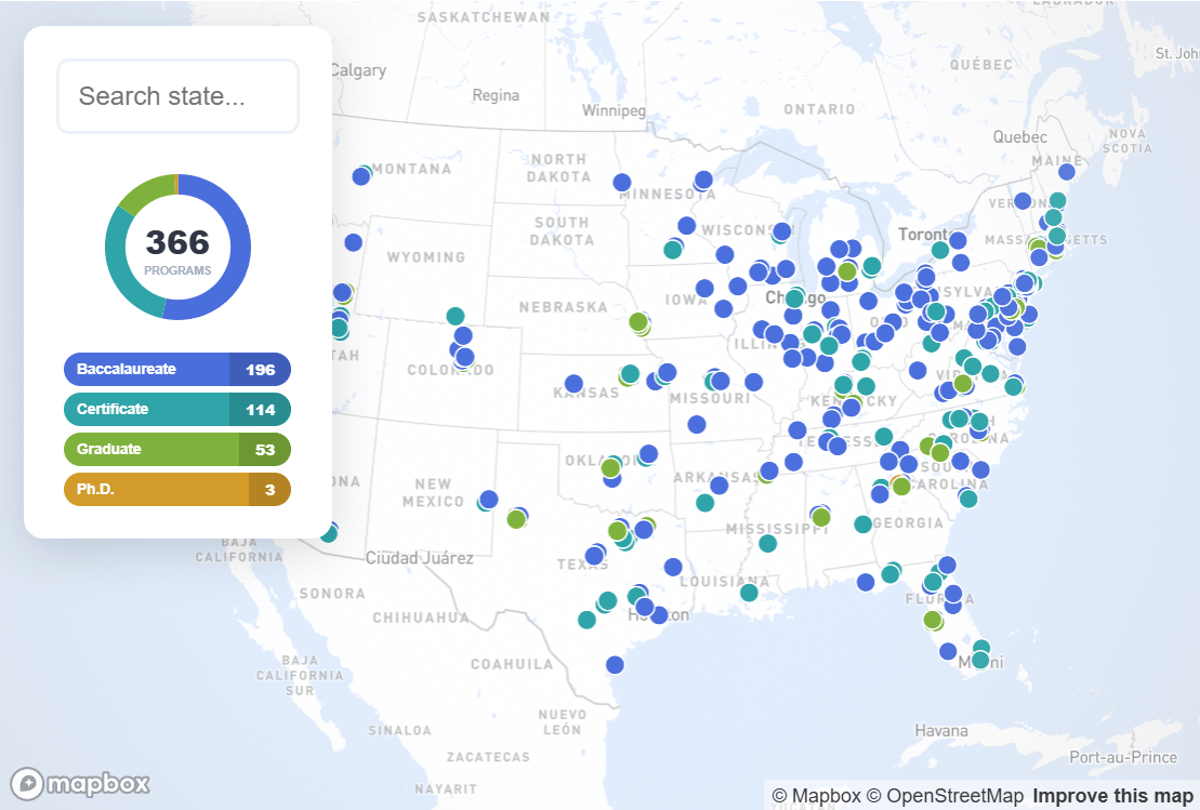
- •Over 360 college programs now CFP‑registered
- •Student enrollment surges, e.g., 150 at MSU, 500 at UW‑Madison
- •Curriculum adds psychology, behavioral finance focus
- •Doctoral degrees aim to professionalize financial planning
Pulse Analysis
The surge in CFP Board‑registered programs reflects a broader professionalization of financial planning, mirroring trends in law and accounting. As more universities adopt standardized curricula, the once‑fragmented credential landscape is consolidating around fiduciary principles and ethical standards. This shift not only elevates the profession’s credibility but also creates a scalable model for delivering consistent, high‑quality education across the United States, positioning financial planners as trusted advisors rather than sales agents.
Academic institutions are redefining the skill set required for modern advisors by integrating behavioral finance, psychology, and client‑centric communication into their coursework. Students now gravitate toward programs that promise real‑world impact, favoring fee‑based advisory models over commission‑heavy roles. Partnerships with firms like Fidelity and local RIAs provide micro‑internships and hands‑on experiences, bridging the gap between theory and practice while reinforcing the industry’s move toward holistic, human‑focused planning.
The talent pipeline emerging from these programs directly addresses the sector’s looming succession crisis. Doctoral offerings, though few, are training the next generation of educators, researchers, and thought leaders who will shape curriculum and industry standards. As the CFP Board prepares its next practice‑analysis study, input from academia will be pivotal in refining certification requirements. Ultimately, a more educated, ethically grounded workforce promises stronger client outcomes, higher retention rates, and a sustainable growth trajectory for the financial‑planning profession.
Inside the programs reshaping financial planning's talent pipeline
Comments
Want to join the conversation?
Loading comments...