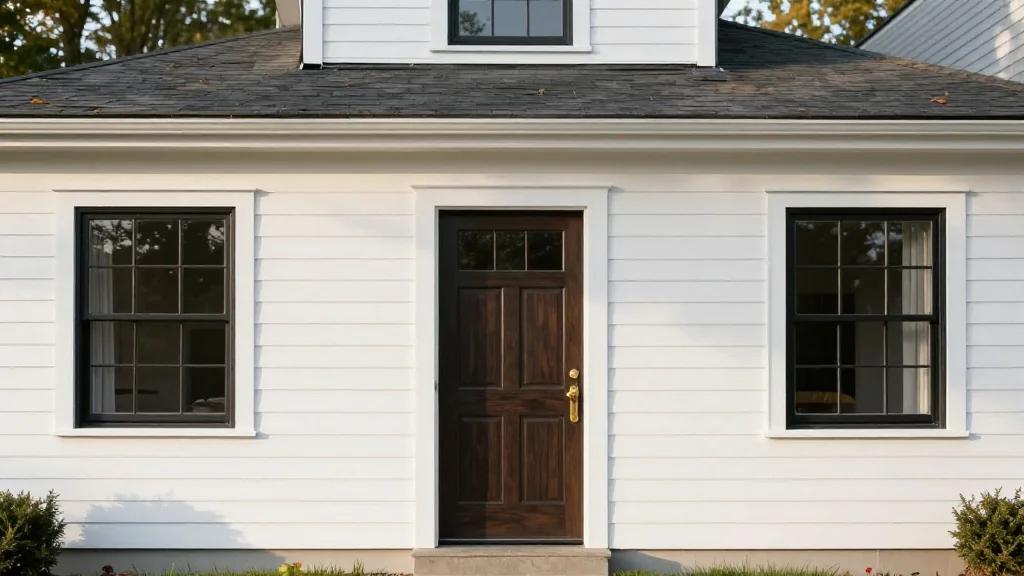
Investor Boosts Rental Returns with Upgrades, Skipping New Purchases

Companies Mentioned
Why It Matters
Afzal’s upgrade‑first strategy illustrates a practical response to a tightening real‑estate market, offering a template for wealth‑management clients who own rental assets. By extracting value from existing properties, investors can improve cash flow without taking on additional debt, a crucial advantage as borrowing costs climb. The approach also highlights the importance of tenant experience in competitive leasing environments, suggesting that property‑level differentiation can command premium rents. If widely adopted, this tactic could shift capital allocation within the real‑estate segment of wealth portfolios, favoring renovation spend over new acquisitions. That reallocation may dampen price pressures on new homes while boosting the quality of existing rental stock, ultimately influencing broader market dynamics and investor return expectations.
Key Takeaways
- •Investor Atif Afzal upgraded four upstate NY rentals instead of buying new properties.
- •Renovations added $300 per unit in rent premiums and generated multiple offers on day one.
- •The 1% rule (e.g., $200,000 property needing $2,000 rent) has become unrealistic due to price and rate hikes.
- •Staging and modern amenities reduced vacancy periods and improved cash flow.
- •Wealth managers are recommending asset‑level upgrades as a low‑leverage growth strategy.
Pulse Analysis
Afzal’s case is a micro‑cosm of a larger pivot in real‑estate wealth management. Historically, investors chased growth through acquisition, leveraging cheap credit to scale portfolios. The post‑pandemic environment, however, has inverted that calculus: home prices in many secondary markets have outpaced income growth, and the Federal Reserve’s rate hikes have made new debt expensive. In this context, the marginal return on capital deployed in upgrades often exceeds the incremental yield from a new purchase, especially when the upgrade cost is a fraction of a property’s market value.
From a portfolio‑construction perspective, the upgrade model improves the risk‑adjusted return profile. By increasing net operating income without expanding the balance sheet, investors boost internal rates of return while keeping leverage ratios stable. This aligns with the growing emphasis on ESG‑linked performance metrics, where energy‑efficient upgrades and modernized interiors can also earn sustainability credits, further enhancing asset appeal. Wealth managers who can quantify these incremental cash‑flow benefits will likely steer clients toward renovation‑focused strategies, especially in markets where vacancy rates are low but tenant expectations are high.
Looking ahead, the scalability of Afzal’s approach will hinge on the cost of materials and labor, which have been volatile. If renovation expenses rise faster than rent premiums, the upside narrows. Nonetheless, the principle of extracting latent value from existing holdings remains robust, offering a defensible path for investors to navigate a high‑rate, high‑price environment while still delivering meaningful returns.
Investor Boosts Rental Returns with Upgrades, Skipping New Purchases
Comments
Want to join the conversation?
Loading comments...