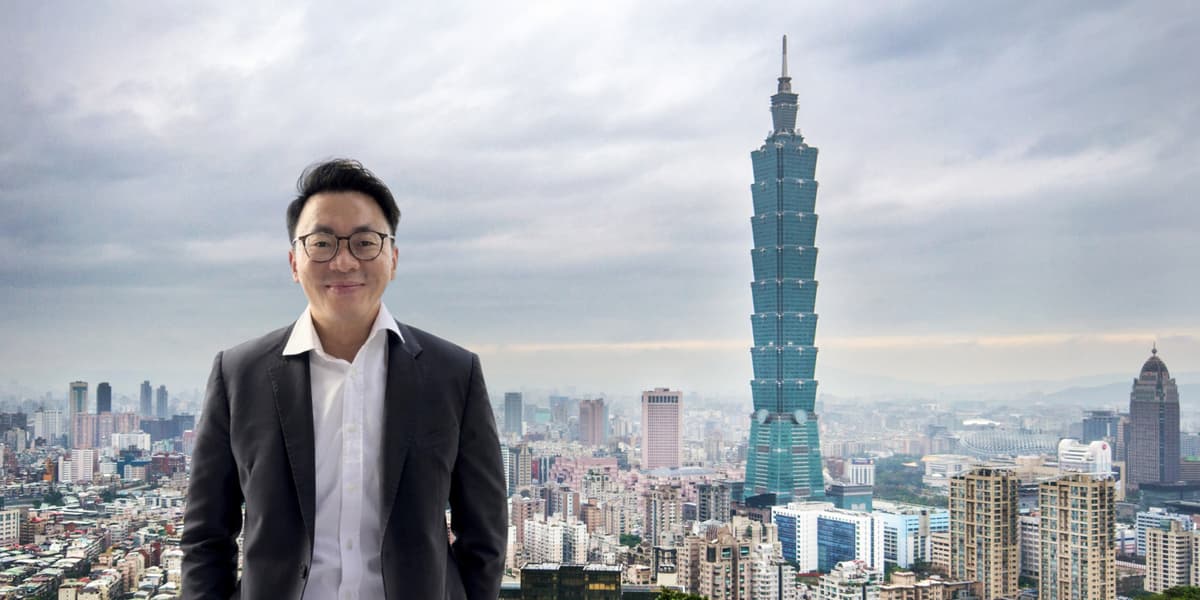
Pathway to Independence: Why a Wealth Manager Covering Taiwan Chose External Asset Management
Companies Mentioned

Why It Matters
The move illustrates a broader shift toward independent wealth platforms that combine regulatory credibility with flexible, client‑centric solutions, challenging legacy private‑bank models in Asia’s growing wealth market.
Key Takeaways
- •Don Toh left major banks for independent EAM model
- •Swiss‑Asia offers Singapore‑licensed fund management and advisory services
- •Singapore’s tax‑free capital gains attract Taiwanese high‑net‑worth families
- •Taiwanese cultural insight drives Swiss‑Asia’s client acquisition strategy
- •EAM model provides unbiased advice and flexible client solutions
Pulse Analysis
The rise of external asset management (EAM) reflects a generational change among high‑net‑worth individuals who demand personalized, conflict‑free advice. Traditional private banks, constrained by product mandates and internal incentives, often fall short of these expectations. Independent platforms like Swiss‑Asia enable advisors to act solely in the client’s interest, leveraging a modular service stack that can be customized for each family’s wealth‑preservation goals. This model is especially appealing to younger Taiwanese entrepreneurs who value agility and transparency over legacy relationships.
Singapore’s regulatory framework and tax environment make it a natural hub for cross‑border wealth services. The Monetary Authority of Singapore grants EAMs robust fund‑management licences while imposing stringent compliance standards, offering both credibility and operational freedom. Coupled with zero capital‑gains tax, no inheritance tax, and a suite of incentive schemes, the city‑state provides a cost‑effective conduit for Taiwanese families seeking geographic diversification. Swiss‑Asia’s bilingual leadership and deep cultural ties further streamline onboarding, ensuring that tax, legal and succession planning align with Taiwanese norms.
For the broader industry, the success of advisors like Don Toh signals a potential erosion of the traditional private‑bank monopoly on ultra‑wealthy clients in Asia. As more managers adopt the EAM model, banks may need to re‑engineer their value propositions, offering greater flexibility and clearer fiduciary standards. Meanwhile, EAMs will likely expand their tech infrastructure and partnership networks to stay competitive, reinforcing Singapore’s position as the premier gateway for Asian wealth to access global markets.
Pathway to independence: Why a wealth manager covering Taiwan chose external asset management
Comments
Want to join the conversation?
Loading comments...