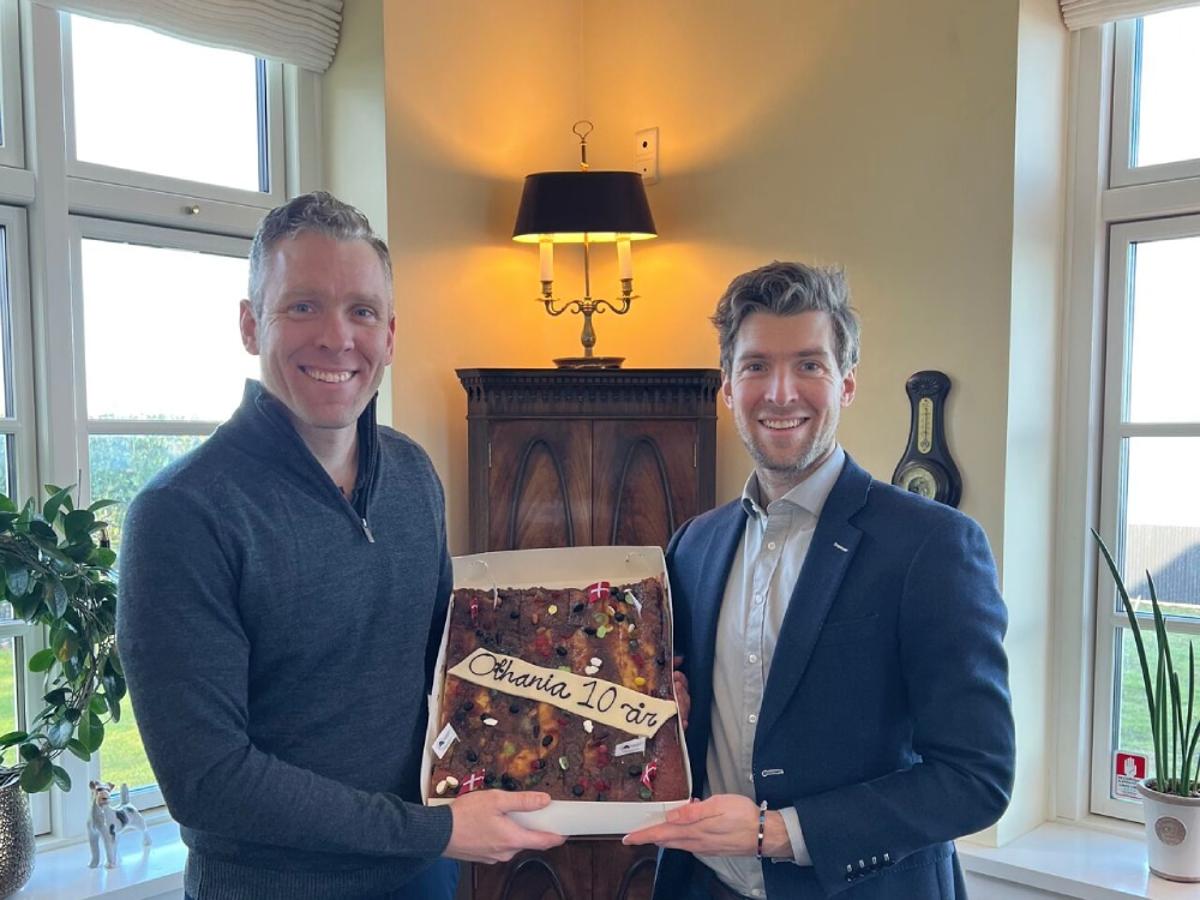
Two Brothers, One Model, Ten Years: The Evolution of Othania
•March 2, 2026
0
Key Takeaways
- •TIGER model drives dynamic equity/bond allocation.
- •AUM grew to DKK 600 million in ten years.
- •New funds added macro, balanced, and all‑weather strategies.
- •Founders started with DKK 2.2 million seed capital.
Summary
Two Copenhagen brothers launched Othania a decade ago with a DKK 2.2 million seed fund, building the systematic TIGER model to toggle equity and bond exposure based on macro indicators. The model’s strong signals spurred rapid AUM growth, reaching roughly DKK 600 million and prompting the launch of diversified products such as Othania Balanceret Makro and the all‑weather Othania Stable Investering. Today the boutique manager offers multiple strategies that blend equities, bonds, precious metals, CTA and volatility tactics, while the founders reflect on a journey of highs, lows, and resilient client trust.
Pulse Analysis
Systematic investing has moved from the exclusive domain of large institutions to agile boutique firms, and Othania exemplifies this shift. By leveraging the TIGER engine—an algorithm that interprets leading economic, interest‑rate, and equity indicators—the firm can rotate between equity and bond ETFs each month. This dynamic risk‑allocation approach resonates with investors seeking to capture upside while mitigating downside, especially in an era of heightened market uncertainty.
Building on the core TIGER model, Othania expanded its product suite to address broader client needs. The Balanceret Makro fund introduced macro‑tilted diversification, while the Stable Investering strategy offers an all‑weather portfolio with equal exposure to equities, investment‑grade bonds, precious metals, CTA and long‑volatility tactics. Such multi‑asset constructs echo the risk‑parity philosophy, providing smoother returns across cycles and appealing to institutional and high‑net‑worth investors looking for resilience without sacrificing growth potential.
The Othania story underscores key lessons for emerging asset managers: a clear quantitative edge can attract capital even without institutional seed funding, and disciplined model performance builds credibility that fuels AUM expansion. Moreover, transparent communication of model logic and performance fosters client trust, essential for long‑term sustainability. As the firm eyes the next decade, its evolution suggests that adaptable, data‑driven strategies will remain a competitive advantage in the increasingly crowded quantitative landscape.
Comments
Want to join the conversation?