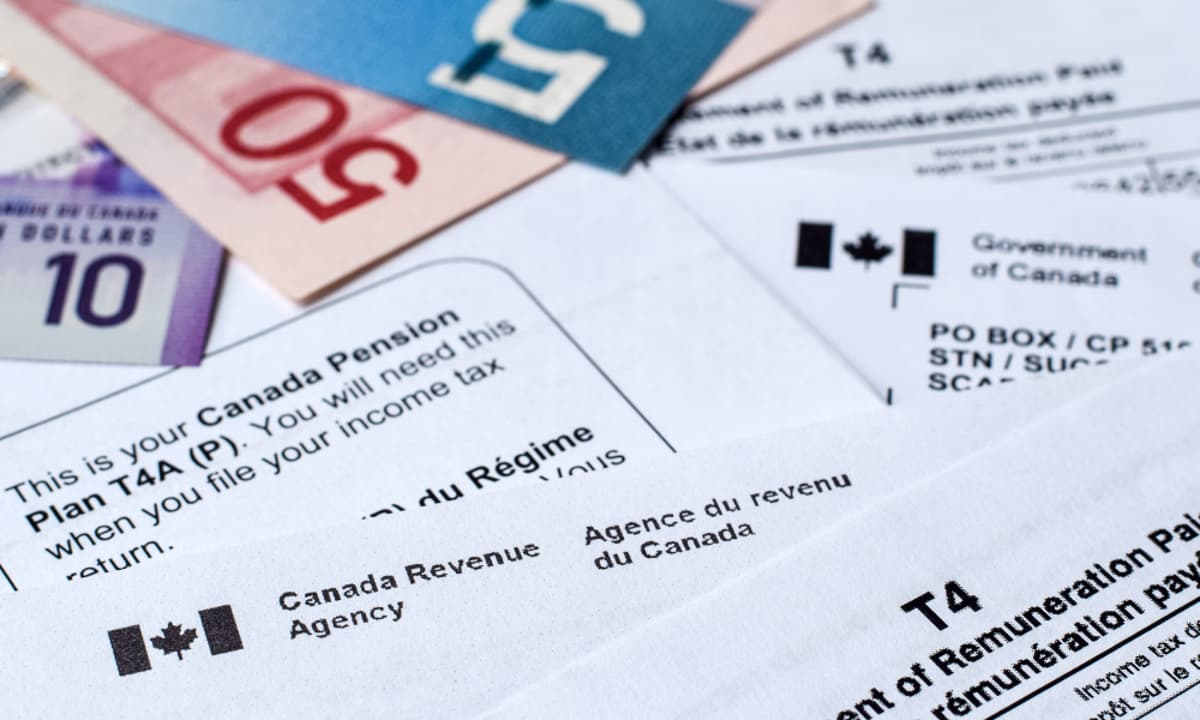
Why so Many Canadians Say No Thanks to Free Money at Tax Time
Companies Mentioned
Why It Matters
Unfiled returns erode household cash flow and reduce government revenue, while advisors miss opportunities to add value through credit optimization. Prompt filing is essential to capture refunds, avoid penalties, and unlock ongoing benefit programs.
Key Takeaways
- •28% of Canadians (≈9 million) still unfiled by April 30.
- •Late filers risk 5% penalty plus monthly interest.
- •Average missed refund $2,725 CAD (~$2,020 USD) per taxpayer.
- •Medical Expense and Disability credits most commonly overlooked.
- •Ontario leads with 33% of residents not filing.
Pulse Analysis
The H&R Block Canada survey highlights a growing compliance gap as the 2025 tax season nears its April 30 deadline. While 22% of Canadians had filed at the same point last year, the current 28% figure translates to roughly nine million taxpayers still pending. Regional disparities are stark—Ontario tops the list with a third of its residents behind, followed closely by Saskatchewan and Manitoba. This lag not only threatens individual cash flow but also signals a broader challenge for the Canada Revenue Agency in capturing timely revenue.
Financially, the cost of procrastination is tangible. H&R Block’s Second Look program estimates an average missed refund of $2,725 CAD (about $2,020 USD) per filer, driven largely by under‑claimed credits. The Medical Expense Tax Credit remains the most frequently overlooked, covering out‑of‑pocket health costs, while the Disability Tax Credit—worth up to $10,138 CAD (≈$7,500 USD)—and the associated Disability Tax Benefit of $200 CAD per month (≈$148 USD) are also commonly missed. These credits can substantially boost refunds or provide ongoing monthly payments, underscoring the importance of a thorough return.
For financial advisors and tax professionals, the data presents a clear call to action. Proactive outreach, education on credit eligibility, and leveraging tools like H&R Block’s Second Look can help clients avoid 5% penalties and monthly interest accruals. Moreover, positioning tax filing as a gateway to year‑round benefits—rather than a one‑off refund—can improve client engagement and deepen advisory relationships. As the deadline looms, firms that prioritize timely filing and credit optimization will not only safeguard client wealth but also capture new advisory revenue streams.
Why so many Canadians say no thanks to free money at tax time
Comments
Want to join the conversation?
Loading comments...