
Video•Mar 1, 2026
High Volatility + Reversals: The Real Reason Leveraged ETFs Underperform
The video examines why leveraged exchange‑traded funds (ETFs) tend to underperform during turbulent markets, focusing on the empirical link between volatility and serial correlation rather than volatility alone. The presenter challenges the common narrative that volatility is inherently detrimental, showing that high‑volatility episodes also generate pronounced return reversals, which exacerbate the daily rebalancing drag inherent to leveraged products. Data analysis reveals two critical forces: underlying stock returns typically weaken in high‑volatility regimes, and those regimes also experience a surge in reversal patterns. Because leveraged ETFs must reset exposure each day, they incur higher transaction costs and compounding losses when reversals dominate, a phenomenon the speaker labels “volatility decay.” The key driver is the serial covariance—the product of volatility magnitude and the strength of serial correlation—rather than volatility in isolation. The speaker underscores this point by contrasting real‑world observations with textbook models such as geometric Brownian motion, which assume independent, identically distributed returns and would predict no link between volatility and reversals. He notes, “Volatility acts as an amplifier for whatever serial correlation you have,” highlighting that the observed reversal spikes are the true source of performance erosion. For investors and product designers, the implication is clear: monitoring serial correlation and its interaction with volatility is essential for assessing leveraged ETF risk. Strategies that ignore this serial covariance may underestimate rebalancing costs, leading to unexpected losses during market turbulence.
By Rational Reminder

Video•Feb 26, 2026
Why the Wealthy Love Bitcoin Crashes
The video explains why Bitcoin’s price drops attract affluent investors, focusing on how they leverage tax‑advantaged retirement vehicles—especially Roth conversions and self‑directed crypto IRAs—to turn market volatility into a tax‑saving opportunity. Klein outlines the specific tools: SEP and SIMPLE IRAs, Solo...
By Anthony Pompliano

Video•Feb 25, 2026
US-Iran Tensions: What the Options Market Is Telling Investors
The video examines how the options market is reflecting investor expectations amid rising U.S.-Iran tensions, highlighting that traders are pricing in a more hostile scenario. Data points show the put‑call skew on the S&P 500 (Triple Q) is as wide as...
By Bloomberg Television

Video•Feb 25, 2026
Bloomberg Surveillance 2/25/2026
Bloomberg Surveillance aired on February 25, 2026 centered on President Donald Trump’s State of the Union address and its implications for the U.S. economy and markets. The hosts highlighted a surprisingly resilient macro backdrop—low mortgage rates, a declining inflation headline,...
By Bloomberg Television
Video•Feb 25, 2026
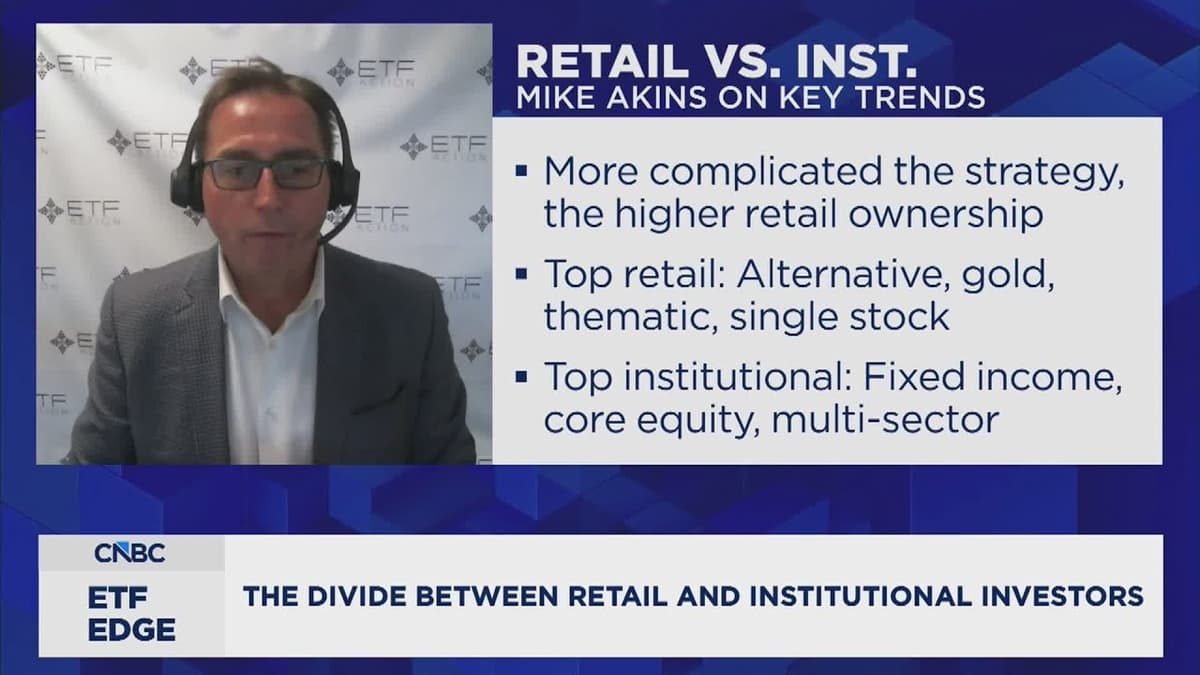
ETF Industry ‘Not Going to Run Out of Innovation’, Says ETF Action Founder
The discussion centers on the ETF industry’s evolving innovation landscape, highlighted by founder Mike of ETF Action. He explains how the market now hosts roughly 5,000 funds managing about $14 trillion, with a clear split between traditional passive products and a...
By CNBC Television
Video•Feb 25, 2026
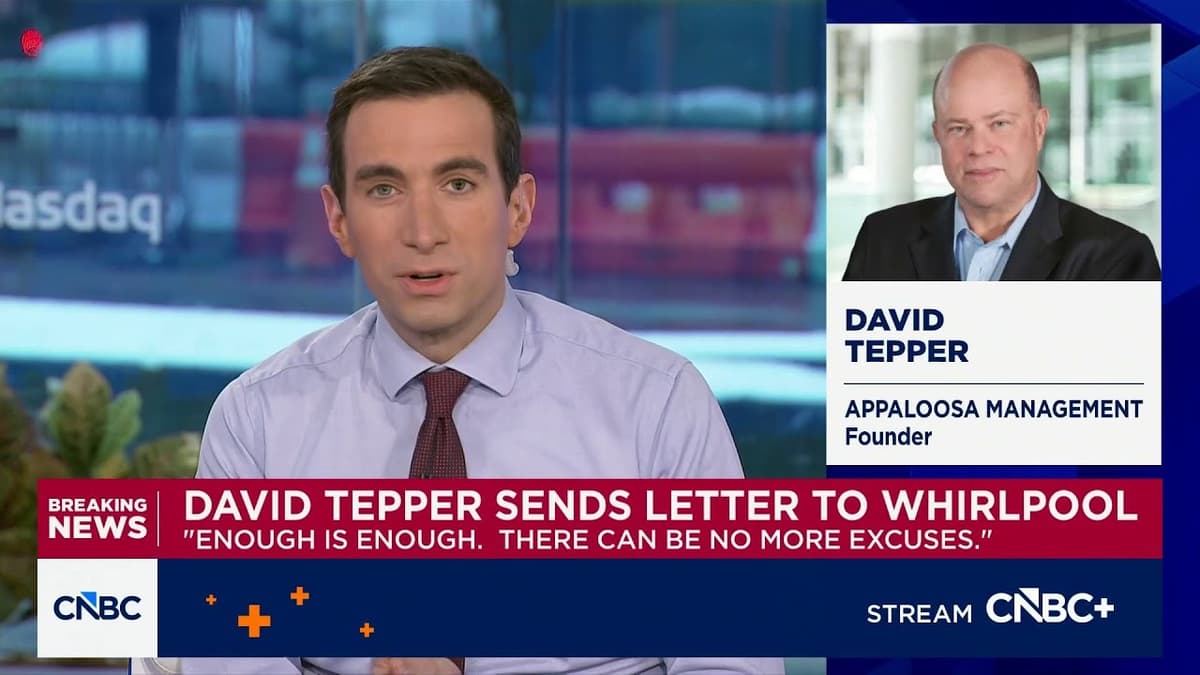
David Tepper Sends Scathing Letter to Whirlpool for Destroying Shareholder Value, Pushes for Changes
Activist billionaire David Tepper, founder of Appaloosa Management, sent a sharply worded letter to Whirlpool’s board accusing the appliance maker’s leadership of erasing hundreds of millions of dollars in shareholder value. Tepper singled out the recent equity raise, which he says...
By CNBC Television
Video•Feb 25, 2026
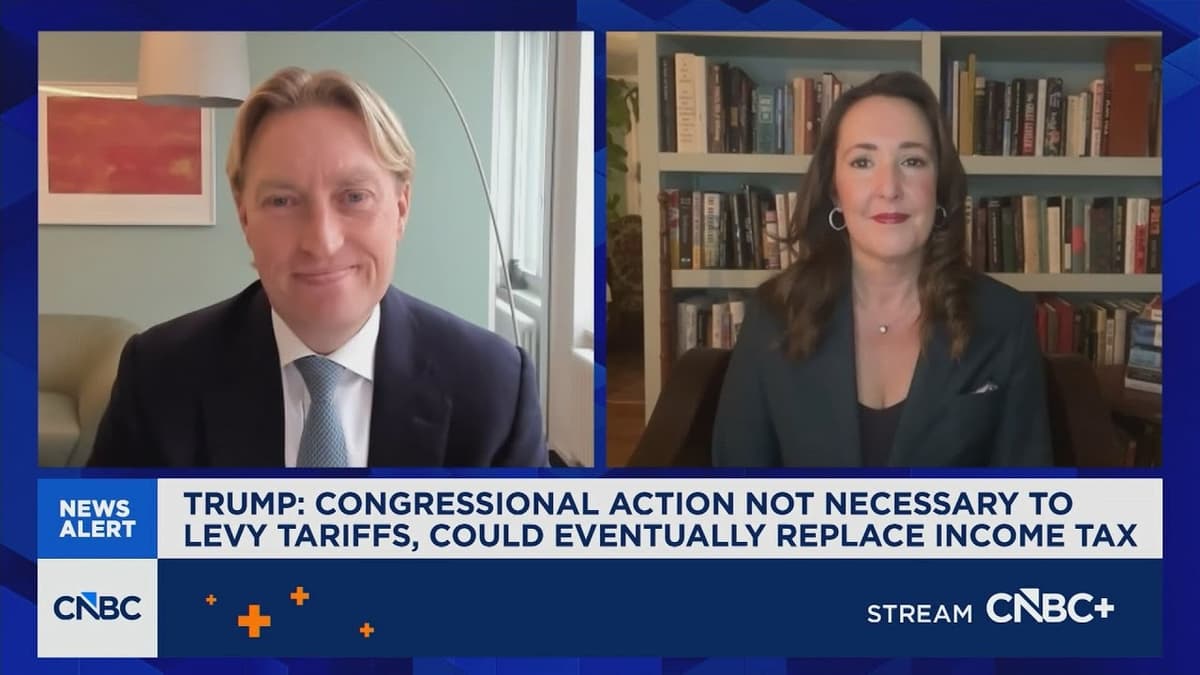
Tariffs, Taxes and AI Power Plans Dominate Outlook After the State of the Union
The recent State of the Union, though lengthy, offered few new policy announcements but highlighted three pillars—tariffs, health‑care subsidies, and a power‑infrastructure push for AI firms—that will shape market expectations. Both UBS’s Marc Anderson and Veda Partners’ Henrietta Treyz agreed that...
By CNBC Television
Video•Feb 25, 2026
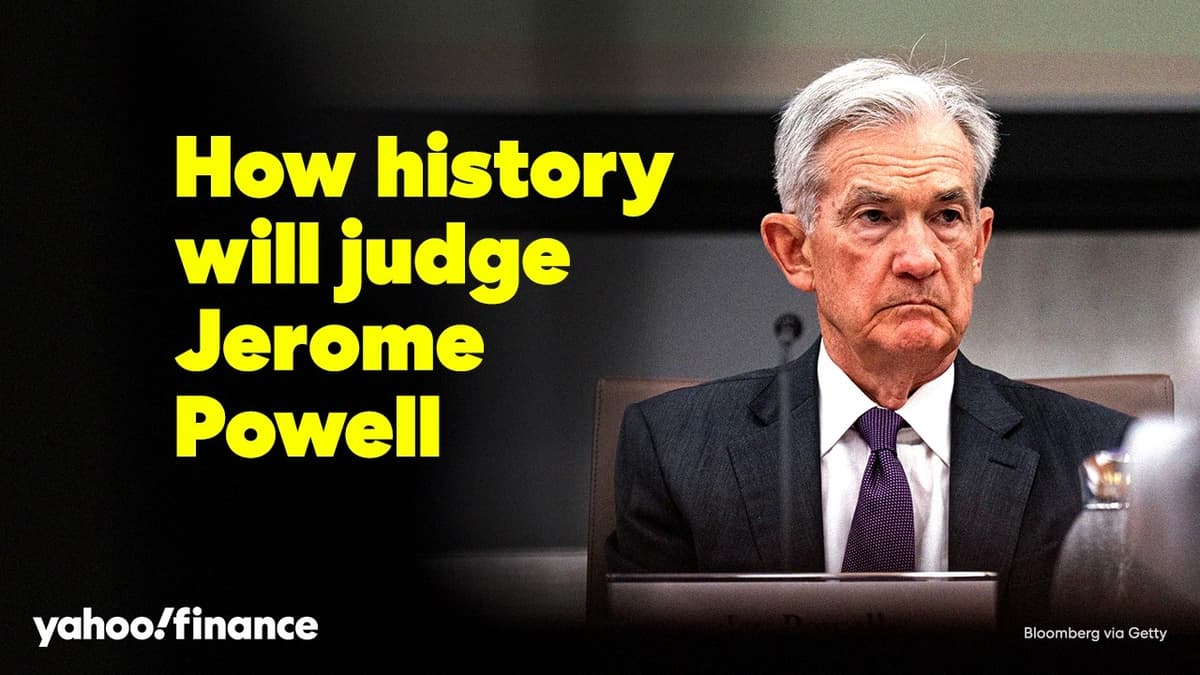
How History Will Judge Fed Chair Jerome Powell | Trader Talk
The Trader Talk episode centers on Jerome Powell’s legacy and the looming transition to new Fed Chair Worsh. Panelists dissect how Powell’s insistence that inflation was "transitory" clashed with reality, and they argue that his backward‑looking stance delayed the...
By Yahoo Finance