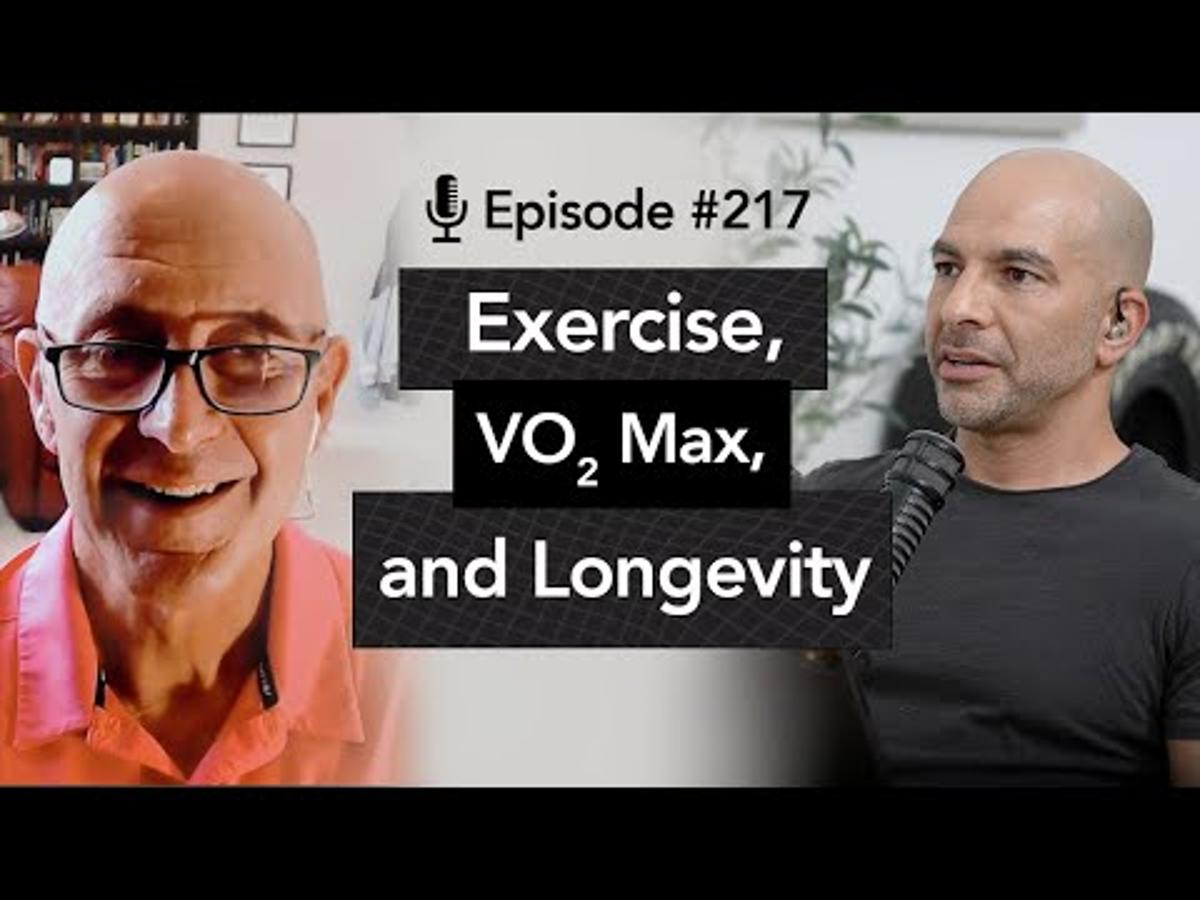
Exercise, VO2 Max, and Longevity | Mike Joyner, M.D
Key Takeaways
- •Gibala method balances intensity and sustainability for most adults
- •Norwegian 4x4 boosts cardiac remodeling via prolonged high‑intensity intervals
- •VILPA 1‑2 minute bursts cut all‑cause mortality by ~40%
- •Supramaximal Tabata requires precise power tracking; unsuitable for most
- •Sprint interval training limited to 2‑3 sprints maximizes VO2 max gains
Pulse Analysis
High‑intensity interval training remains a cornerstone of modern exercise prescription, yet not all protocols deliver equal value. Recent evidence distinguishes between supramaximal sprint formats—like the classic Tabata, which demand power outputs exceeding 170% of VO2 max—and longer, aerobic‑focused intervals. While the former can produce rapid gains in elite athletes, the need for precise wattage monitoring and the high neurological fatigue make it impractical for the general population. In contrast, the Norwegian 4x4 regimen, which sustains heart rates at 85‑95% of maximum for four‑minute blocks, has been shown to remodel arterial stiffness and improve myocardial elasticity, offering a clinically relevant pathway to counteract age‑related cardiac decline.
For most adults seeking measurable improvements without prohibitive effort, the Gibala protocol emerges as the optimal compromise. By alternating 1‑minute all‑out efforts at 100% peak power with 75‑second recoveries for 8‑12 cycles, participants achieve robust mitochondrial biogenesis and VO2 max expansion while maintaining psychological adherence. This balance aligns with emerging consumer trends toward time‑efficient yet sustainable workouts, prompting fitness brands to integrate Gibala‑style classes into both boutique studios and digital platforms. Moreover, the low‑volume VILPA approach—brief, vigorous activity bursts sprinkled throughout the day—delivers a striking 38‑40% reduction in all‑cause mortality, underscoring the public‑health potential of micro‑exercise interventions.
The strategic implication for the health‑and‑wellness industry is clear: program designers should prioritize longer‑interval HIIT and VILPA modules over extreme sprint protocols when targeting broad audiences. This shift not only enhances client retention but also aligns with emerging reimbursement models that reward evidence‑based, outcome‑driven exercise prescriptions. As insurers and employers increasingly recognize the cost‑saving benefits of reduced cardiovascular events, we can expect a surge in corporate wellness offerings that embed Gibala and VILPA principles, driving both improved population health and new revenue streams for fitness providers.
Exercise, VO2 max, and longevity | Mike Joyner, M.D
Comments
Want to join the conversation?