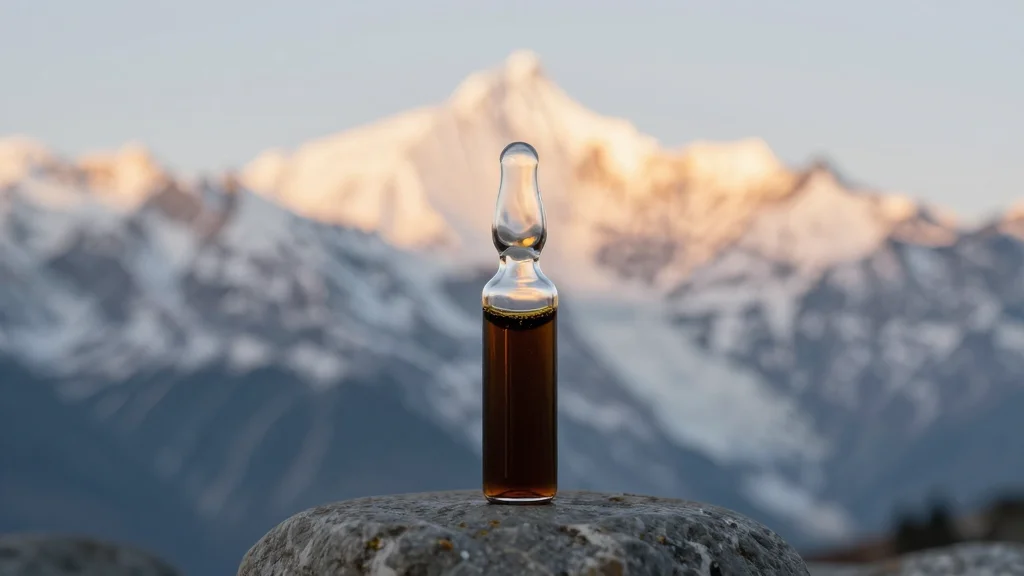
Shilajit Ayurvedic Sex Drive-Boosting Myth: Tar-Like Ooze Extracted From Himalayan Rocks Doesn’t Work
Key Takeaways
- •Small shilajit trials show modest testosterone rise, limited clinical relevance
- •Studies involve <40 participants, short 90‑day duration, manufacturer‑funded
- •Product purity varies; heavy‑metal contamination reported in some supplements
- •Lifestyle factors like sleep, weight, exercise outweigh any supplement effect
- •Larger, independent research needed to confirm endocrine benefits of shilajit
Pulse Analysis
The surge of shilajit on social media reflects a broader consumer appetite for "natural" performance enhancers. Originating as a fulvic‑acid‑rich resin used in Ayurvedic medicine, the substance is now packaged in sleek jars and touted by influencers as a shortcut to higher testosterone, more energy, and better vitality. This narrative taps into cultural anxieties about "low T" and the desire for quick, plant‑based fixes, positioning shilajit as a modern alchemy that bridges ancient tradition with bio‑hacking trends.
Scientific scrutiny, however, paints a more nuanced picture. Two human trials—one with healthy men aged 45‑55 and another with infertile patients—showed statistically significant but modest upticks in total and free testosterone after 90 days of 250 mg twice‑daily dosing. The studies were limited by tiny sample sizes (38 and 28 participants), short follow‑up, and funding from the product’s manufacturer, which raises potential bias. Hormone measurements fluctuated over the study period, and levels stayed within normal physiological ranges, suggesting limited impact on muscle mass, metabolism, or quality of life. Independent laboratory tests have also flagged inconsistent mineral content and occasional heavy‑metal contamination, underscoring the lack of regulatory oversight in the supplement market.
For men seeking to optimize hormonal health, the evidence suggests that lifestyle interventions trump any unproven resin. Adequate sleep, regular resistance training, weight management, and stress reduction have robust, reproducible effects on testosterone production and overall metabolic health. When a genuine deficiency is diagnosed, prescription testosterone therapy—backed by extensive clinical data—remains the gold standard. Until larger, independently funded trials clarify shilajit’s endocrine profile, consumers should weigh the high cost and uncertain safety against proven, low‑cost strategies that deliver measurable benefits.
Shilajit Ayurvedic sex drive-boosting myth: Tar-like ooze extracted from Himalayan rocks doesn’t work
Comments
Want to join the conversation?