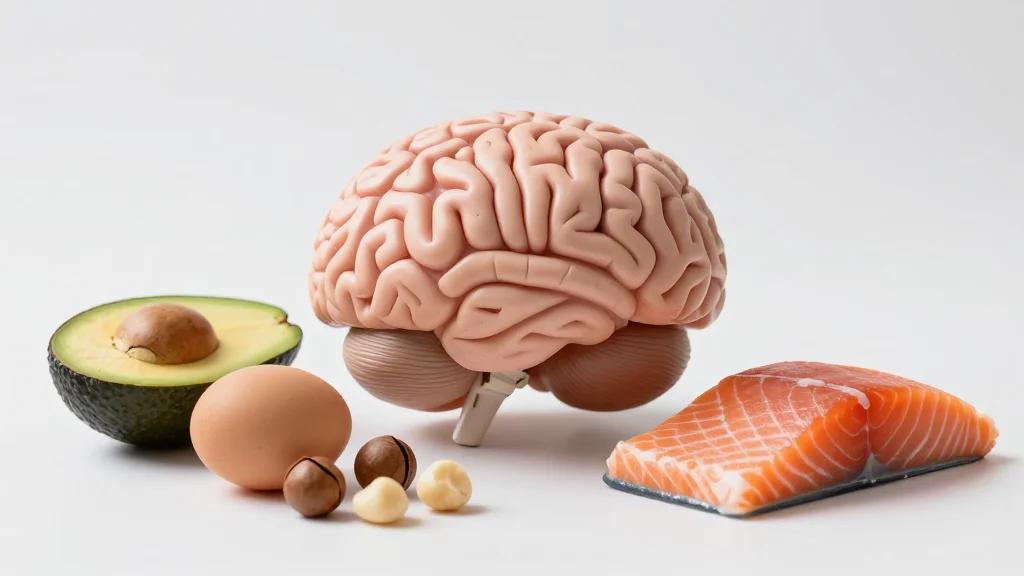
University of Coimbra Review Links Keto Diet to Lower Risk of Major Brain Diseases

Why It Matters
If the ketogenic diet can indeed lower the incidence or progression of neurodegenerative diseases, it would represent a low‑cost, lifestyle‑based intervention with global public‑health implications. Alzheimer's and Parkinson's affect millions and impose staggering healthcare costs; a dietary approach could complement pharmacologic therapies and potentially delay disease onset. However, the review also highlights critical safety and adherence concerns. Without clear guidelines on long‑term use, widespread adoption could lead to nutritional deficiencies, lipid abnormalities, or reduced quality of life for some individuals. Policymakers and clinicians will need robust trial data to balance enthusiasm with responsible recommendation.
Key Takeaways
- •University of Coimbra systematic review links keto diet to reduced risk of Alzheimer's, Parkinson's and Huntington's
- •Ketone metabolism may provide alternative energy for neurons and reduce brain inflammation
- •Review cites preclinical evidence of autophagy activation and beneficial gut microbiome shifts
- •Authors warn of gaps in long‑term safety, practicality and adherence data
- •Researchers plan a five‑year prospective cohort study to test cognitive outcomes
Pulse Analysis
The keto‑brain health narrative taps into a broader shift toward metabolic medicine, where diet is viewed as a modifiable risk factor for chronic disease. Historically, the ketogenic diet gained legitimacy as an epilepsy treatment, but its expansion into neurodegeneration reflects a growing appetite for non‑pharmaceutical solutions. This review consolidates fragmented animal studies into a cohesive argument, giving the wellness industry a scientific veneer that can be leveraged for product development and marketing.
From a market perspective, the timing is advantageous. Consumer interest in brain‑boosting supplements has surged, and investors are keen on nutraceuticals that claim cognitive benefits. Companies that can provide clinically validated keto‑based formulations—such as exogenous ketone salts, tailored meal kits, and digital adherence platforms—stand to capture a premium segment. Yet the cautionary tone of the review serves as a reminder that premature commercialization could backfire if later trials reveal adverse effects or limited efficacy.
Looking ahead, the upcoming longitudinal study will be a litmus test. Positive outcomes could catalyze guideline updates, insurance coverage for diet‑based interventions, and a wave of clinical trials exploring keto as an adjunct to disease‑modifying drugs. Conversely, inconclusive or negative findings may temper the hype, reinforcing the need for evidence‑based wellness recommendations. Stakeholders—researchers, clinicians, product developers, and consumers—must navigate this evolving evidence base with both optimism and scientific rigor.
University of Coimbra Review Links Keto Diet to Lower Risk of Major Brain Diseases
Comments
Want to join the conversation?
Loading comments...