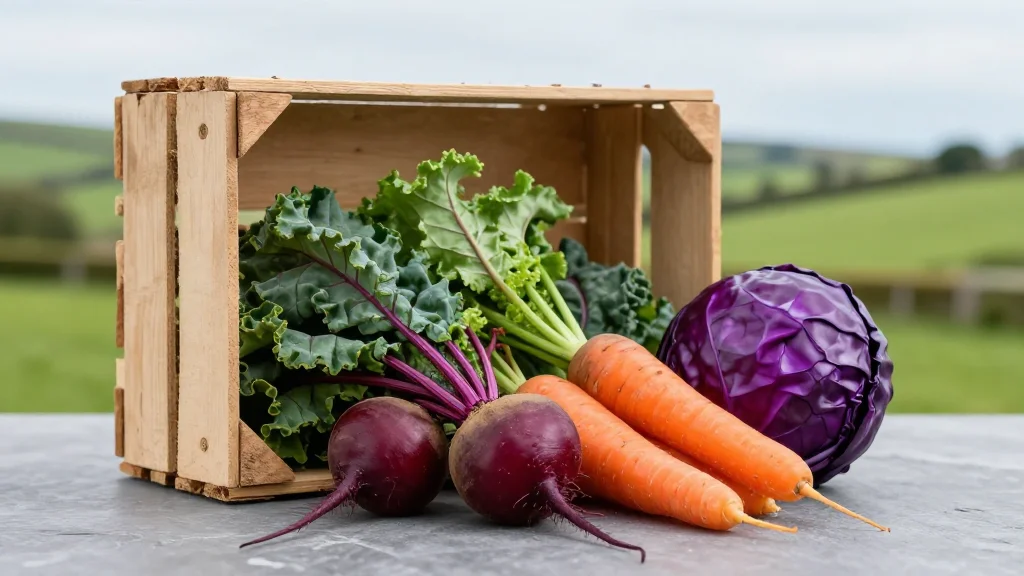
Ireland Maps the Road for Horticulture Leading up to 2030
Why It Matters
The plan positions horticulture as a growth engine for Irish agriculture, offering diversification and export potential while addressing labour shortages and price pressure from cheaper imports. Its success could reshape rural economies and enhance food‑security resilience.
Key Takeaways
- •Horticulture generated $702 million in 2025, with potatoes accounting for $240 million.
- •Sector employs 7,000 primary producers and 11,000 downstream workers.
- •Exports valued at >$262 million; imports exceed $1.2 billion, highlighting trade imbalance.
- •Roadmap targets automation, glasshouse expansion, and cut‑flower diversification by 2030.
Pulse Analysis
Ireland’s horticulture sector, though a tiny slice of total farm acreage, punches above its weight in economic impact. Contributing about $702 million to agricultural output in 2025, the industry leverages high‑value crops such as potatoes, berries and specialty flowers. Employment figures—7,000 growers plus 11,000 ancillary roles—reflect a labor‑intensive value chain that remains competitive without direct subsidies. The sector’s modest land footprint underscores the efficiency gains possible through technology, a point the Teagasc Road Map 2030 emphasizes as essential for future growth.
Market dynamics are shifting rapidly. Domestic demand for fresh, plant‑based foods is buoyed by population growth and health trends, while volatility in European supply chains has heightened interest in locally sourced produce. Yet Ireland imports more than $1.2 billion of horticultural goods, ranging from citrus to nuts, creating downward price pressure on homegrown items. Export opportunities are expanding, with Bord Bia projecting over $262 million in horticulture sales for 2024‑25, especially in mushrooms where 85% of output heads abroad, primarily to the UK. The roadmap therefore focuses on closing the trade gap by enhancing product quality, extending harvest windows, and tapping niche markets like cut‑flowers and plant extracts.
Technology is the linchpin of the 2030 vision. Precision agriculture, robotics and automated harvesting are slated to cut labor costs and improve yield consistency, while glass‑house and LED lighting investments will push season extension for soft fruits and high‑value vegetables. Automation will coexist with a need for skilled technicians to manage sophisticated equipment. Additionally, the plan encourages diversification—encouraging existing farms to add amenity crops or novel produce lines—to spread risk and capture emerging consumer trends. By aligning policy, investment and innovation, Ireland aims to transform horticulture into a resilient, export‑ready pillar of its agri‑food economy.
Ireland maps the road for horticulture leading up to 2030
Comments
Want to join the conversation?
Loading comments...