Macron’s G7 Legacy Hangs on Fickle AI Funding and Data Centers
Companies Mentioned




Why It Matters
If successful, France could become Europe’s primary generative‑AI engine, attracting critical capital and talent; failure would deepen the continent’s reliance on U.S. and Chinese AI infrastructure.
Key Takeaways
- •SoftBank pledged up to €75 bn ($86 bn) for French AI projects
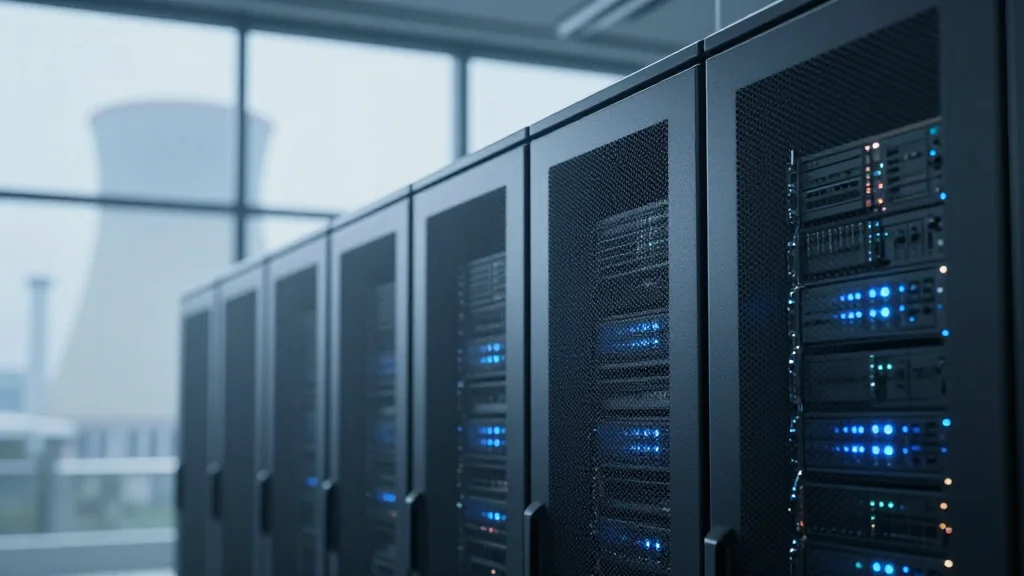
- •Macron’s “Project Marengo” targets nuclear‑powered data centres as competitive edge
- •Mistral AI remains Europe’s sole home‑grown generative‑AI challenger
- •Local resistance cites energy use, water demand, and limited job creation
- •Uncertain political future threatens continuity of AI funding and policy
Pulse Analysis
Macron’s AI push arrives at a pivotal moment for Europe, which has struggled to match the scale of U.S. and Chinese generative‑AI ecosystems. By securing a SoftBank commitment of roughly $86 billion, the French president hopes to channel private capital into nuclear‑powered data centres that promise lower operating costs than rivals in the UK or Germany. The G7 summit in Évian, featuring OpenAI, Anthropic and DeepMind executives, underscores France’s ambition to become the continent’s AI showcase, while the presence of Mistral AI highlights a rare home‑grown challenger capable of competing on a global stage.
Despite the headline‑grabbing investment, the initiative faces structural headwinds. Europe’s AI funding has proven fickle; Fluidstack’s abandoned €10 bn supercomputing plan and stalled GlobalFoundries projects illustrate the difficulty of converting pledges into operational assets. Moreover, French data centres will still rely heavily on U.S. chips and cloud services, limiting the strategic independence Macron touts. Local communities raise concerns over the massive electricity and water demands of nuclear‑backed facilities, arguing that job creation will be modest compared with traditional manufacturing. These socioeconomic frictions, combined with an uncertain electoral landscape, could erode investor confidence.
The broader implication for Europe is clear: without a decisive, sustained policy framework, the continent risks ceding AI leadership to external powers. Macron’s legacy could either cement France as the gateway for European AI investment or become another unfulfilled promise. As the 2027 presidential race looms, successors will inherit a complex mix of ambitious commitments, nascent infrastructure, and political volatility. The ultimate test will be whether France can translate its nuclear advantage into a resilient AI ecosystem that attracts ongoing private capital and reduces dependence on foreign technology.
Macron’s G7 Legacy Hangs on Fickle AI Funding and Data Centers
Comments
Want to join the conversation?
Loading comments...