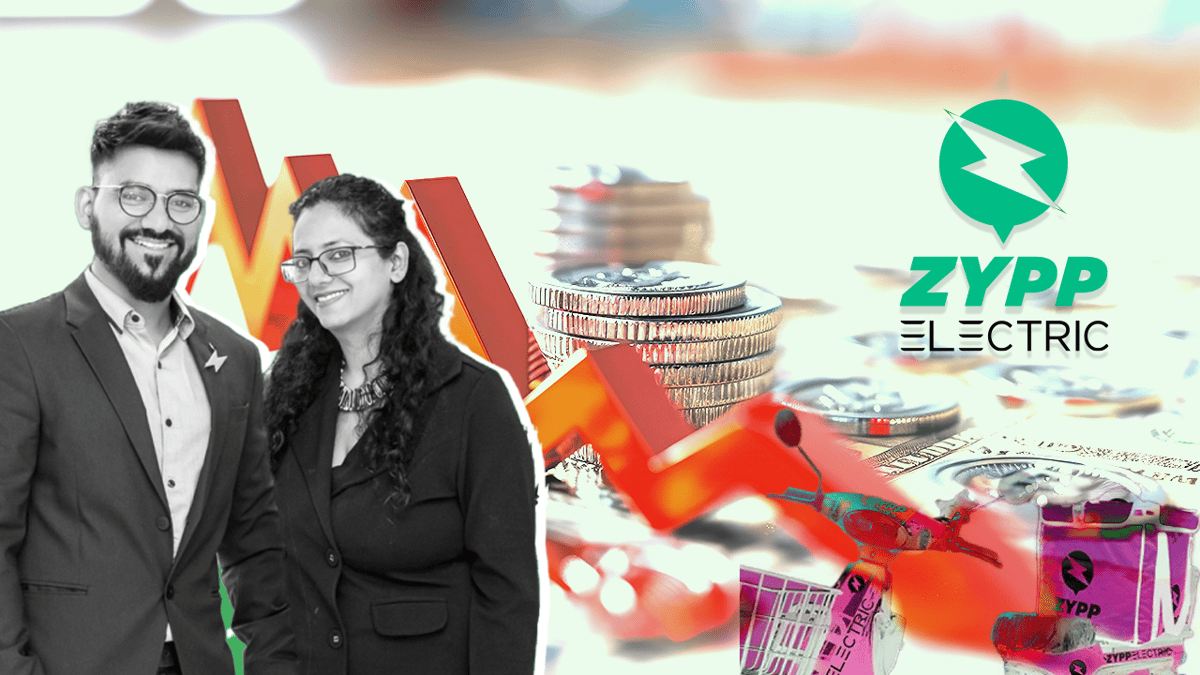
Zypp Electric Raises Rs 55.4 Crore ($6.5M) in Series C Funding Round
•February 18, 2026
•Feb 18, 2026
0
Participants

Why It Matters
Zypp's rapid scaling underscores the growing demand for electric‑vehicle‑as‑a‑service in India, while its widening losses highlight the profitability challenges inherent in the nascent EV logistics market.
Key Takeaways
- •FY25 revenue rose 50% to Rs 438 crore.
- •Delivery services contributed 74% of total revenue.
- •Total expenses increased 42%, widening loss to Rs 107.5 crore.
- •Series C round seeks Rs 55.4 crore funding.
- •Competitor Yulu’s revenue grew 98% in same period.
Pulse Analysis
India’s gig‑economy is increasingly electrifying, and platforms like Zypp Electric are at the forefront, offering e‑scooter rentals and delivery services to thousands of riders. The model promises lower operating costs for gig workers and aligns with the country’s push for greener mobility. As cities tighten emissions standards, EV‑as‑a‑service providers are positioned to capture a sizable share of last‑mile logistics, a segment projected to grow double‑digit annually.
Financially, Zypp demonstrated robust top‑line momentum, with revenue climbing to Rs 438 crore, primarily from delivery operations that surged 56%. However, the cost side expanded faster; production, transportation, and rider‑related expenses jumped 49%, while overheads rose 42%. This cost acceleration eroded margins, resulting in a Rs 107.5 crore loss and negative EBITDA. The unit economics—spending Rs 1.27 to earn a rupee—signal that scaling efficiencies have yet to materialize, a common hurdle for early‑stage EV fleet operators.
To sustain growth, Zypp is tapping fresh capital, launching a Rs 55.4 crore Series C round that brings its total funding to about $76.5 million, led by ENEOS Group. The infusion aims to fund fleet expansion, technology upgrades, and tighter cost controls. Meanwhile, rivals such as Yulu are also scaling rapidly, posting a 98% revenue jump. The competitive intensity underscores the need for differentiated services and operational discipline, as the Indian EV‑logistics market matures into a high‑growth, yet capital‑intensive, arena.
Deal Summary
B2B delivery and shared mobility startup Zypp Electric announced it is raising Rs 55.4 crore (≈$6.5 million) in an ongoing Series C round from 16 investors. The funding follows prior capital of $76.5 million, with ENEOS Group previously acting as lead investor, and will support the company’s EV‑as‑a‑service platform.
0
Comments
Want to join the conversation?
Loading comments...