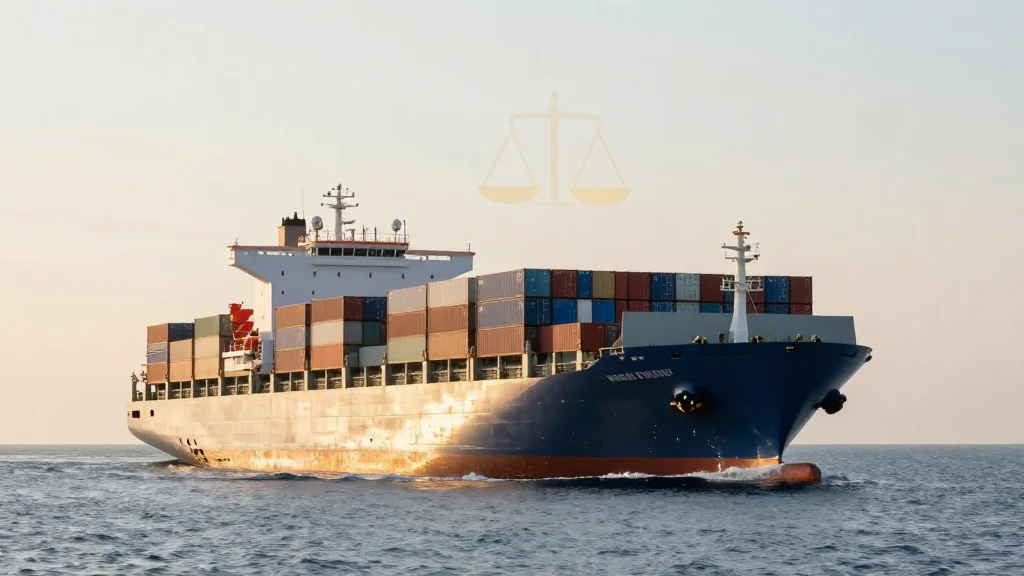
86% of U.S. CEOs Treat Tariffs as Permanent in B2B Planning, PwC Survey Shows

Why It Matters
The survey highlights a paradigm shift in how U.S. companies approach trade policy risk, moving from short‑term mitigation to embedding tariffs into core business models. This change will influence pricing, supply‑chain design, and capital allocation across B2B sectors, potentially reshaping competitive dynamics as firms that adapt faster gain an advantage. Additionally, the persistence of tariffs signals continued revenue streams for the federal government, affecting macro‑economic conditions and fiscal policy debates. For investors and policymakers, the data provides a barometer of corporate confidence in the current trade environment. Persistent tariff assumptions may dampen enthusiasm for aggressive expansion or cross‑border M&A, while also spurring innovation in trade‑finance solutions and supply‑chain technology.
Key Takeaways
- •86% of U.S. CEOs now treat tariffs as a permanent planning assumption, per PwC survey of 633 executives.
- •Survey respondents span multiple industries and report integrating tariffs into pricing and supply‑chain models.
- •Rohit Kumar of PwC warns tariffs will likely persist regardless of White House changes.
- •Companies are using refund claims as collateral or selling them to hedge funds to secure liquidity.
- •64% of executives say they are ahead of the curve in responding to policy and geopolitical changes.
Pulse Analysis
The PwC survey crystallizes a long‑awaited reality: trade policy is now a strategic constant rather than a periodic shock. Historically, U.S. firms treated tariffs as a binary variable—either in place or not—adjusting only when new duties were announced. The current data suggests a maturation of risk management, where tariffs are baked into financial models much like interest rates or commodity prices. This evolution mirrors the broader trend of macro‑risk integration seen in the wake of COVID‑19 supply‑chain disruptions.
From a competitive standpoint, firms that have already built flexible pricing engines and diversified sourcing will likely outpace peers still reliant on ad‑hoc cost‑pass‑throughs. The rise of fintech solutions that monetize pending refund claims indicates an emerging market for trade‑finance products, potentially creating new revenue streams for banks and specialty lenders. Moreover, the anticipated $4 trillion in customs revenue underscores the fiscal entrenchment of tariffs, making political rollback unlikely without a major policy overhaul.
Looking forward, the rollout of CBP’s automated refund system could provide a short‑term liquidity boost, but it will not alter the structural reality that duties remain a fixture of the U.S. trade landscape. Companies that invest now in nearshoring, digital supply‑chain visibility, and dynamic pricing platforms will be better positioned to sustain growth in an environment where tariffs are a permanent cost of doing business.
86% of U.S. CEOs Treat Tariffs as Permanent in B2B Planning, PwC Survey Shows
Comments
Want to join the conversation?
Loading comments...