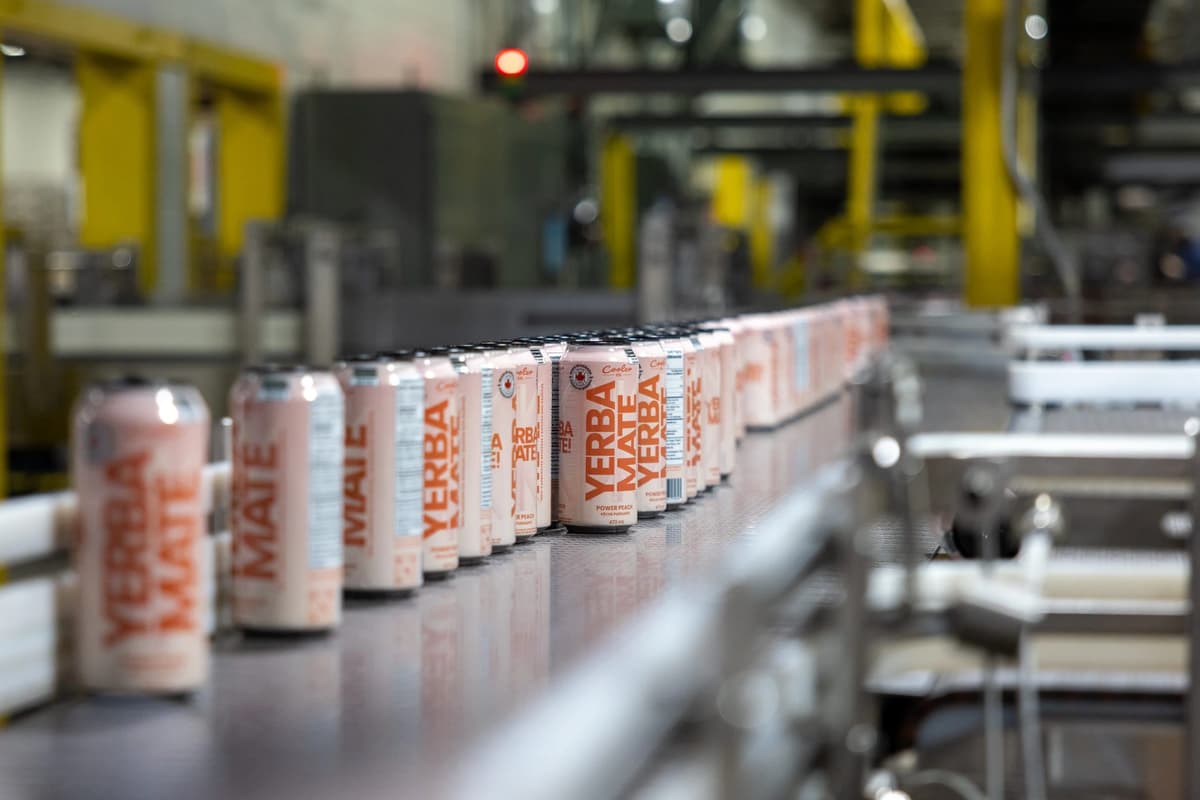
Cooler Co. Moves Manufacturing to Canada
•February 3, 2026
0
Companies Mentioned


Why It Matters
By localizing production, Cooler Co. reduces currency and tariff risk, improves operational control, and positions itself as a cost‑effective, sustainably‑focused alternative in the crowded functional‑beverage sector.
Key Takeaways
- •100% production moved to Canada.
- •Two facilities: Coquitlam BC (kombucha) and Toronto ON (yerba mate).
- •Unit costs decreased via domestic sourcing and eliminated cross‑border freight.
- •Supply‑chain resilience improved with coast‑to‑coast redundancy.
- •Pricing stays competitive while protecting margins.
Pulse Analysis
The functional‑beverage segment has seen a surge in consumer demand for low‑sugar, nutrient‑dense options such as kombucha and yerba mate. As retailers prioritize locally sourced products, companies are reassessing offshore production models that were once considered cost‑effective. Cooler Co.’s decision to relocate 100 % of its manufacturing to Canada reflects this broader shift, aligning the brand with emerging “Made in Canada” preferences while capitalizing on a growing network of certified facilities. By anchoring operations in Coquitlam and Toronto, the company taps into regional talent pools and existing distribution channels, creating a more agile production footprint.
From a financial perspective, eliminating U.S. co‑packing and cross‑border freight translates into measurable unit‑cost reductions. Domestic ingredient sourcing shortens freight lanes, cuts fuel expenses, and removes exposure to USD‑to‑CAD volatility and fluctuating import duties. The coast‑to‑coast layout also introduces redundancy; if one plant encounters a slowdown, the other can absorb demand, safeguarding inventory levels. Moreover, the consolidated Canadian footprint lowers carbon emissions, a point that resonates with environmentally conscious shoppers and can be leveraged in marketing narratives. These efficiencies collectively enhance margin protection while supporting a competitive shelf price.
Strategically, the move positions Cooler Co. to accelerate both national rollout and cross‑border expansion. A predictable cost structure and tighter quality oversight make the brand more attractive to large U.S. grocery chains that demand consistent supply and pricing. Simultaneously, the “Made in Canada” badge strengthens relationships with Canadian retailers increasingly wary of supply‑chain disruptions. As the company rolls out new flavors, the integrated production system enables faster innovation cycles and quicker time‑to‑market. In a market where agility and cost discipline are paramount, Cooler Co.’s domestic manufacturing model could serve as a blueprint for other emerging beverage brands seeking scalable growth.
Cooler Co. moves manufacturing to Canada
0
Comments
Want to join the conversation?
Loading comments...