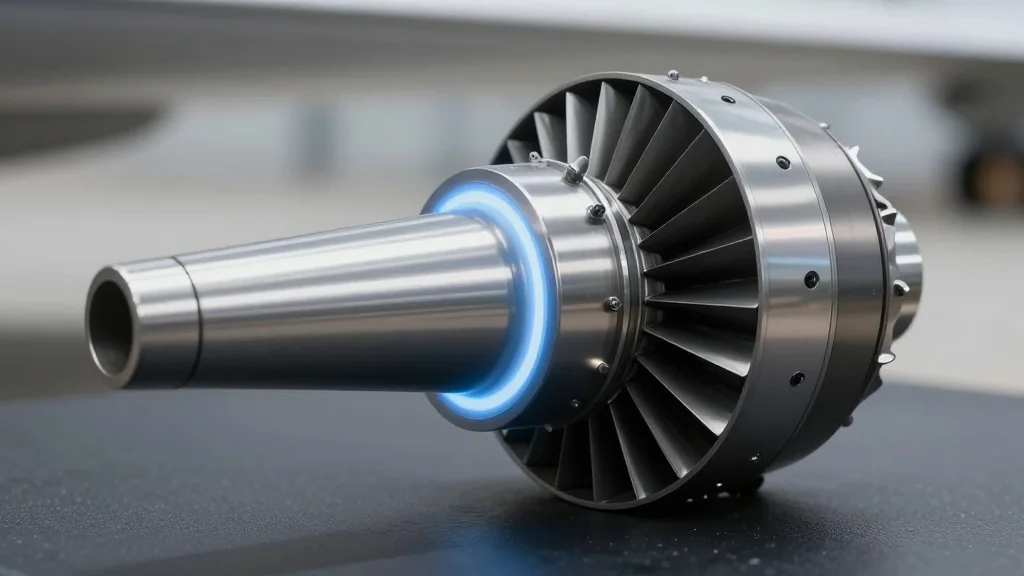
GE Aerospace Wins US Air Force Contract to Advance GE426 Engine for Autonomous Platforms

Companies Mentioned
Why It Matters
The GE426 contract illustrates how legacy aerospace firms are adapting to the Pentagon’s pivot toward autonomous, collaborative platforms. By securing a design‑review contract, GE Aerospace positions itself to capture a share of the multi‑billion‑dollar spend that the Department of Defense plans for unmanned systems through FY 2027. Success could translate into a steady stream of follow‑on orders, reinforcing the company’s B2B growth and deepening its ties to a key government customer. Moreover, the contract highlights the strategic importance of domestic engine capability in a climate of heightened supply‑chain scrutiny. As the U.S. seeks to reduce reliance on foreign propulsion sources, a home‑grown medium‑thrust engine like the GE426 becomes a critical asset for national security and industrial policy.
Key Takeaways
- •GE Aerospace awarded a U.S. Air Force contract to complete preliminary design review of the GE426 engine.
- •GE426 is designed for medium‑thrust autonomous collaborative platforms, a new focus for the Air Force.
- •Pentagon’s FY 2027 autonomous‑drone budget exceeds $54 billion, a 24,000 % increase from FY 2026.
- •Contract value not disclosed; preliminary design review expected within 12‑18 months.
- •Deal expands GE’s defense revenue pipeline and underscores domestic engine supply‑chain priorities.
Pulse Analysis
GE Aerospace’s win reflects a broader realignment in defense procurement, where the Department of Defense is betting on autonomous platforms to fill capability gaps faster and cheaper than traditional manned aircraft. The GE426 engine, tailored for medium‑thrust collaborative drones, could become a linchpin for a new class of unmanned systems that operate in swarms or as part of mixed manned‑unmanned missions. If GE delivers on performance and cost targets, it may set a benchmark that forces competitors to accelerate their own medium‑thrust engine programs, potentially compressing development cycles across the industry.
Historically, engine contracts have been the most lucrative and longest‑lasting revenue sources for aerospace primes. By moving early in the design‑review phase, GE positions itself to capture downstream sustainment and upgrade work, which often dwarfs the initial procurement cost. The contract also dovetails with the Pentagon’s aggressive autonomous‑drone spending, suggesting that the GE426 could be integrated not only into Air Force platforms but also into joint‑service programs that share common propulsion architectures.
However, the path ahead is fraught with technical risk. Medium‑thrust engines must balance fuel efficiency, thermal management and rapid throttle response—attributes critical for autonomous flight where human oversight is limited. GE’s ability to meet these demands will be tested against a backdrop of intense competition from both established U.S. firms and emerging foreign players. The outcome will shape the competitive landscape for the next decade, influencing where defense dollars flow and which suppliers become indispensable to the nation’s autonomous warfare capabilities.
GE Aerospace Wins US Air Force Contract to Advance GE426 Engine for Autonomous Platforms
Comments
Want to join the conversation?
Loading comments...