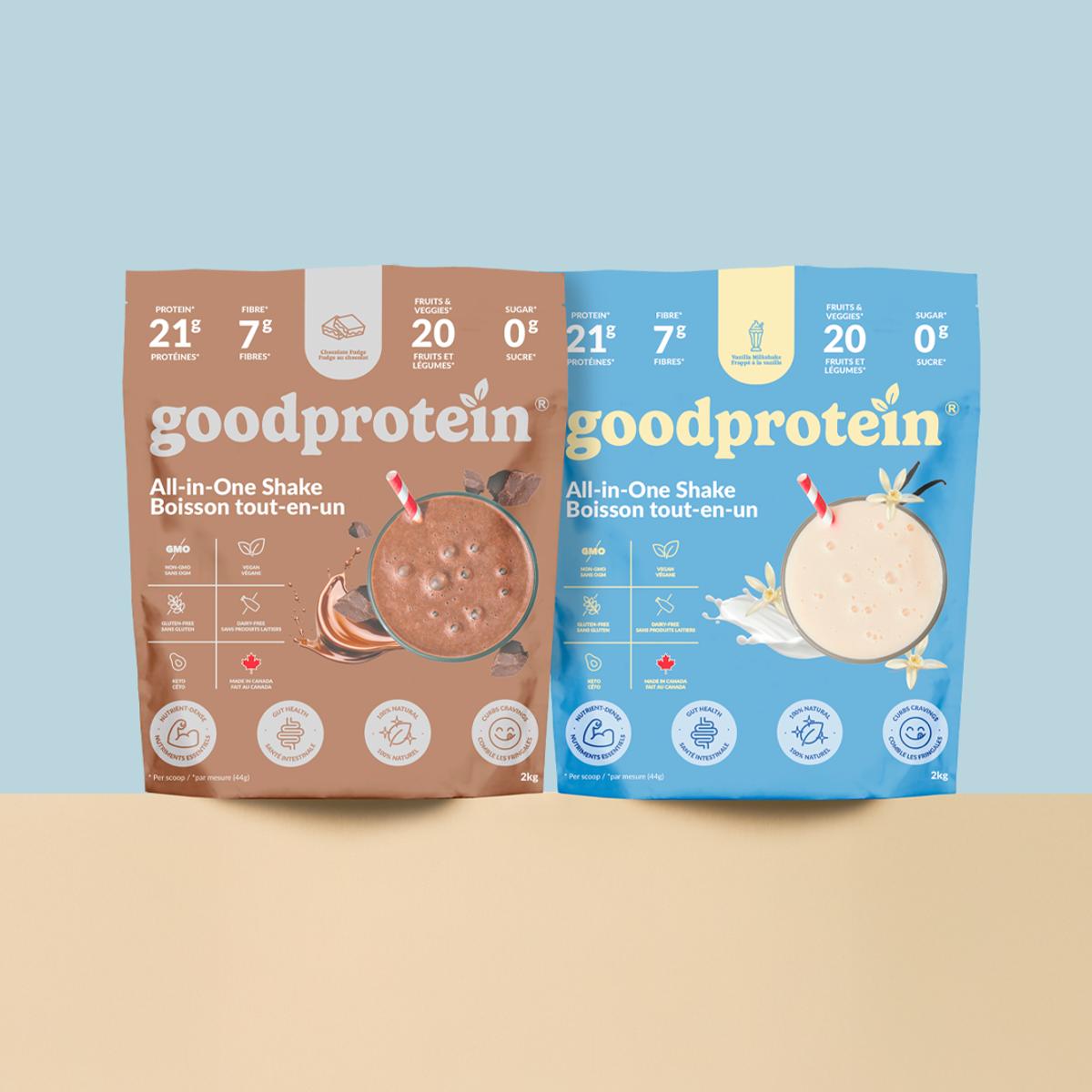
Good Protein Sees Rapid Growth Through Costco Relationship
•January 21, 2026
0
Companies Mentioned

Why It Matters
Securing nationwide Costco distribution validates Good Protein’s scalability and gives it a high‑visibility platform in a crowded supplement category, driving rapid revenue growth and brand equity. The strategy shows how emerging CPG brands can leverage big‑box partnerships and experiential marketing to accelerate market penetration.
Key Takeaways
- •Expanded to 3,500 stores, including all Canadian Costco locations.
- •Sold three months inventory in six weeks at launch.
- •Partnered with four Canadian manufacturers to boost production capacity.
- •Roadshows hit five Costco sites, 13 days each, six months.
- •Product demos and feedback shape new formats and marketing.
Pulse Analysis
Costco’s selective shelf space has become a coveted gateway for consumer packaged goods seeking mass‑market credibility. Good Protein’s ability to transition from niche natural stores to the world’s largest membership retailer illustrates a broader trend: brands that prove strong online traction can translate that momentum into brick‑and‑mortar success when they align product quality with retailer data expectations. By delivering a product that resonates with cost‑conscious shoppers—high protein, great taste, and transparent labeling—the company secured a top‑performing launch that outpaced its own forecasts.
Scaling production quickly was essential for Good Protein’s retail ambition. The partnership with four Canadian manufacturers expanded capacity while preserving quality standards, a critical factor for a brand positioned on premium ingredients. Simultaneously, the company’s six‑month roadshow strategy—deploying teams to five Costco locations for 13‑day intervals—creates a tactile experience that bridges the gap between online hype and in‑store purchase. Real‑time consumer interactions during demos generate actionable insights, informing everything from packaging formats to educational content, and reinforcing the brand’s community‑first narrative.
The implications extend beyond a single brand. Good Protein’s profitable expansion demonstrates that disciplined, step‑wise retail entry—starting with independent outlets, then scaling to national chains—can mitigate risk while building retailer trust. As big‑box retailers continue to prioritize data‑driven partners, emerging CPG firms that invest in supply‑chain resilience, experiential marketing, and clear value propositions are poised to capture disproportionate market share, reshaping the competitive landscape of the health‑and‑wellness sector.
Good Protein sees rapid growth through Costco relationship
0
Comments
Want to join the conversation?
Loading comments...