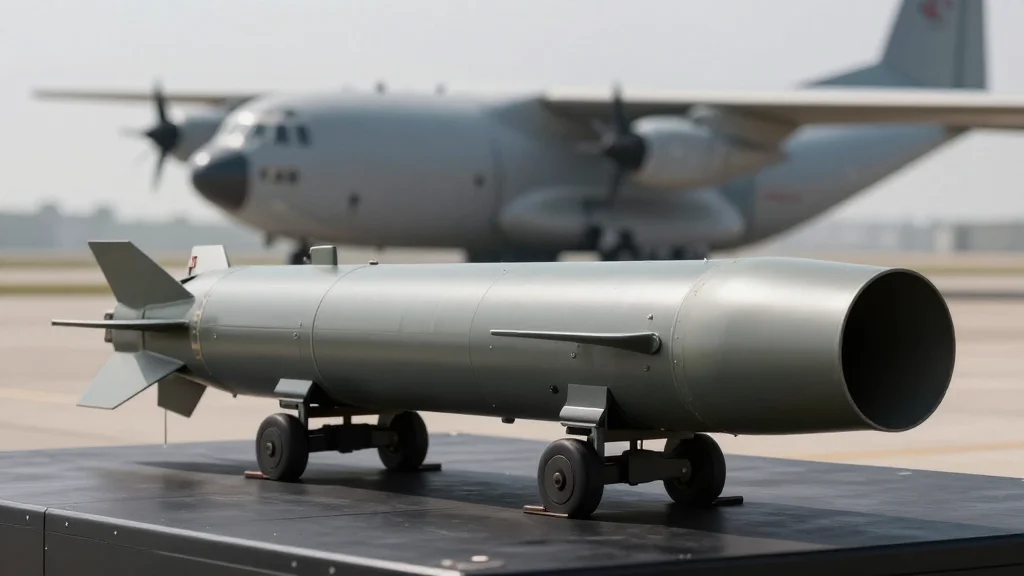
Lockheed Martin Leverages Iran War to Secure $6.6B in New Defense Contracts

Companies Mentioned
Why It Matters
The contracts illustrate how geopolitical crises can instantly translate into multi‑billion‑dollar B2B revenue for defense suppliers. By tying new business to a war‑driven surge in munitions consumption, Lockheed Martin not only boosts its top line but also reshapes the procurement model, shifting risk onto the government and accelerating production cycles. This dynamic could set a precedent for future conflicts, where contractors demand more predictable cash flows in exchange for rapid scaling. At the same time, the rapid depletion of U.S. missile stocks raises strategic concerns about long‑term readiness. If replenishment timelines stretch to several years, the Pentagon may increasingly rely on a handful of large contractors, concentrating market power and potentially inflating prices for future B2B defense deals.
Key Takeaways
- •Lockheed Martin secured a $4.7 billion PAC‑3 missile upgrade contract and a $1.9 billion C‑130J maintenance deal in Q1 2026.
- •U.S. forces have fired over 1,000 Tomahawk cruise missiles and more than 1,200 Patriot interceptors since the Iran war began.
- •Admiral Samuel Paparo warned that scaling production of high‑end missiles could take 1‑2 years.
- •The Pentagon’s munitions depletion could require up to six years to fully restock key systems.
- •Lockheed Martin introduced a commercial‑style risk‑sharing contract model, guaranteeing payment despite future production or budget changes.
Pulse Analysis
Lockheed Martin’s earnings call reveals a turning point in how the U.S. defense industrial base finances war‑time production. Historically, contractors bore the brunt of cost overruns and schedule slips, a risk that discouraged aggressive capacity expansion. By embedding a "recovery element" into contracts, the Pentagon effectively insures manufacturers against political and fiscal volatility, unlocking capital for faster ramp‑ups. This shift mirrors trends in commercial aerospace, where long‑term service agreements and performance‑based logistics have become standard. If other prime contractors adopt similar structures, the market could see a wave of accelerated delivery schedules, tighter integration with supply‑chain startups, and a higher baseline of production capacity even in peacetime.
However, the upside is tempered by the strategic reality of munitions scarcity. The Iran conflict has drained inventories far beyond annual procurement rates, exposing a systemic bottleneck that no contractual innovation can instantly solve. The Pentagon’s reliance on a few mega‑programs—PAC‑3, Tomahawk, JASSM—means that any disruption in the supply chain, whether from component shortages or congressional funding delays, could reverberate across multiple theaters. Companies that can diversify their product lines, invest in modular manufacturing, or partner with emerging tech firms (e.g., Anduril’s low‑cost drones) will be better positioned to capture future B2B contracts.
Looking ahead, Lockheed Martin’s ability to translate war‑driven demand into sustainable growth will hinge on two factors: the durability of the commercial‑style contract model and the speed at which the U.S. can rebuild its depleted stockpiles. If the Pentagon successfully funds rapid replenishment, the current "golden opportunity" could evolve into a longer‑term revenue engine, reinforcing Lockheed’s dominance in the B2B defense market. Conversely, prolonged shortages could force the government to spread contracts across a broader vendor base, diluting Lockheed’s market share but potentially fostering a more competitive ecosystem.
Lockheed Martin Leverages Iran War to Secure $6.6B in New Defense Contracts
Comments
Want to join the conversation?
Loading comments...