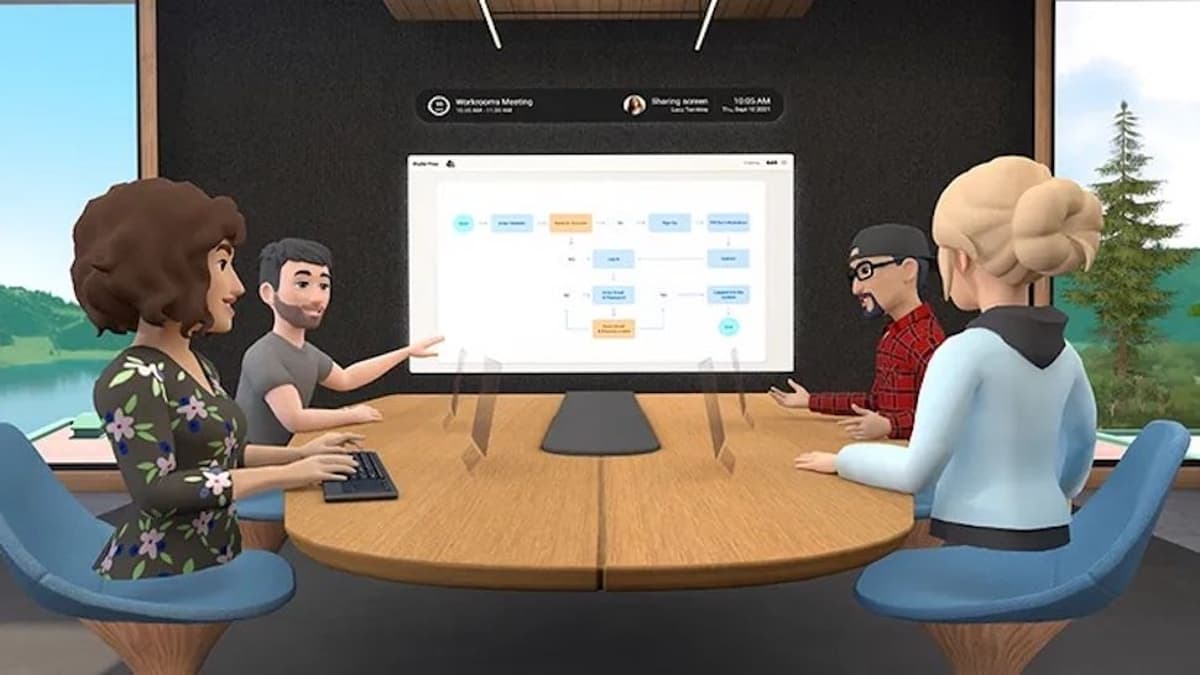
Meta Is Shutting Down Its Horizons VR for Businesses - I Doubt It Will Be Missed
•January 16, 2026
0
Companies Mentioned


Why It Matters
The shutdown underscores the difficulty of scaling enterprise VR and highlights Meta’s reallocation of resources to AI, reshaping the competitive landscape for corporate collaboration solutions.
Key Takeaways
- •Horizon Workrooms ends Feb 16 2026
- •Commercial Quest headsets discontinued Feb 20 2026
- •Meta shifts focus from enterprise VR to AI
- •Enterprise VR adoption remained limited
- •Users urged to adopt Teams or Zoom
Pulse Analysis
Meta’s decision to retire Horizon Workrooms reflects a broader industry reassessment of virtual‑reality’s role in enterprise collaboration. After years of heavy investment, the platform struggled to gain traction beyond early‑adopter pilots, with limited uptake among Fortune‑500 firms. By pulling the plug, Meta can redirect engineering talent and capital toward its rapidly expanding artificial‑intelligence portfolio, where competitive pressure from OpenAI, Google and Microsoft promises higher margins and faster product cycles.
The challenges facing enterprise VR extend beyond user numbers. High hardware costs, the need for dedicated spaces, and the cognitive load of immersive meetings have deterred many organizations. Traditional video‑conferencing tools like Teams and Zoom offer lower barriers to entry, integrate with existing productivity suites, and avoid the fatigue associated with prolonged headset use. As hybrid work settles into a permanent model, companies prioritize efficiency and cost‑effectiveness, leaving niche VR solutions on the periphery.
For Meta, the consumer side of its VR business remains intact, preserving a foothold in the growing metaverse ecosystem. Continued sales of Quest 2 and upcoming Quest 3 devices keep the hardware pipeline alive, while developers can still build social and gaming experiences on Horizon Worlds. The company’s AI‑first strategy may eventually enrich consumer VR with smarter avatars and real‑time translation, but the immediate impact is a clear signal: enterprise VR is not yet a mainstream productivity tool, and firms will likely continue to rely on established cloud‑based collaboration platforms for the foreseeable future.
Meta is shutting down its Horizons VR for businesses - I doubt it will be missed
0
Comments
Want to join the conversation?
Loading comments...