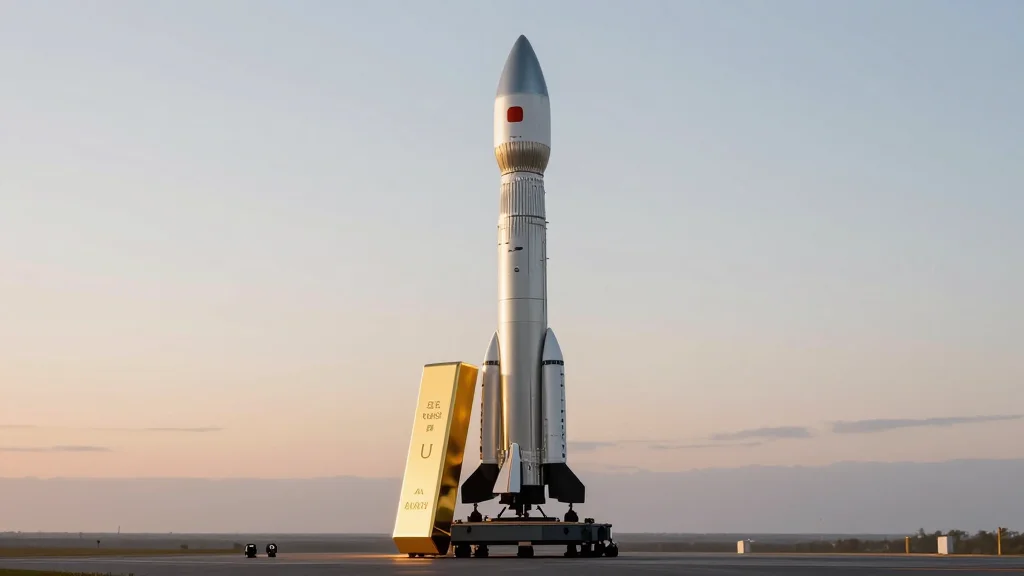
SpaceX Files S‑1 Targeting up to $2 Trillion Valuation Ahead of June 12 IPO

Why It Matters
SpaceX’s IPO could redefine valuation standards for capital‑intensive B2B firms, forcing investors to reconcile massive addressable markets with near‑term profitability. A successful listing would unlock public capital for further investment in reusable rockets, global broadband, and AI compute, accelerating industry consolidation and potentially lowering costs for enterprise customers that rely on satellite connectivity and launch services. Conversely, a muted debut or rapid post‑IPO decline would caution other private B2B giants—such as cloud infrastructure providers and industrial IoT platforms—about the perils of over‑optimistic pricing. The outcome will shape how venture‑backed, high‑growth B2B companies approach public markets, influencing fundraising strategies, governance structures, and the timing of future listings.
Key Takeaways
- •SpaceX filed an S‑1 targeting a $1.8‑$2 trillion valuation, the largest U.S. IPO by market value.
- •2025 revenue hit $18.7 billion, up 33% YoY, with Starlink contributing $11.4 billion and $4.4 billion operating profit.
- •Projected price‑to‑sales multiple exceeds 90×, far above Tesla’s 15.7× and historical large‑cap IPO averages.
- •Starlink subscriber base grew to 10.3 million by Q1 2026, but ARPU fell from $99 to $66 per month.
- •Analyst Ed Elson called the filing “unserious, empty, hallucinatory, and borderline dishonest.”
Pulse Analysis
SpaceX’s filing is less a pure financial event and more a strategic signal to the B2B ecosystem. By seeking a valuation that eclipses the combined market caps of many Fortune 500 firms, Musk is betting that the market will reward the company’s long‑term infrastructure play—reusable rockets, a global broadband constellation, and AI‑driven cloud services—over short‑term earnings. Historically, such premium pricing has been a double‑edged sword: it can fund aggressive R&D pipelines but also sets a high bar for execution, as seen in the post‑IPO trajectories of companies like Palantir and Uber.
The broader implication for B2B growth is the potential re‑pricing of capital for deep‑tech enterprises. If investors accept SpaceX’s valuation, it could embolden other capital‑intensive firms—such as quantum computing startups or next‑gen manufacturing platforms—to pursue public listings earlier, leveraging the IPO as a growth catalyst rather than a liquidity event. However, the risk of a valuation correction could also tighten capital markets, prompting a shift back toward private funding rounds with more disciplined milestones.
Ultimately, SpaceX’s market debut will be a case study in how much investors are willing to pay for future‑proofed infrastructure versus proven cash flow. The outcome will inform boardrooms across the B2B spectrum about the trade‑offs between scaling ambition and market discipline, shaping capital allocation decisions for the next decade of enterprise technology investment.
SpaceX files S‑1 targeting up to $2 trillion valuation ahead of June 12 IPO
Comments
Want to join the conversation?
Loading comments...