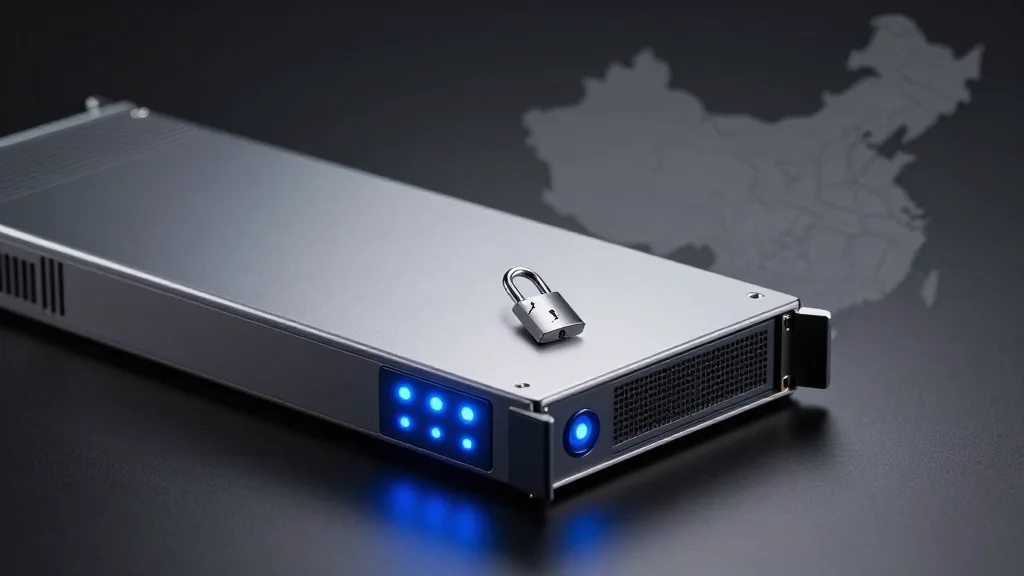
Super Micro Co‑Founder Arrest and $2.5B Nvidia Chip Smuggling Hit Stock 33%

Why It Matters
The Supermicro scandal highlights the fragility of the B2B AI‑hardware supply chain, where a single breach of export controls can jeopardize billions of dollars in revenue and erode investor confidence. Enterprise customers that have built AI initiatives around Supermicro’s servers now face uncertainty about future deliveries, compliance risk, and potential service disruptions, prompting many to diversify vendors or accelerate in‑house development. Regulators are also sending a clear message: rapid growth in the AI sector will not excuse lax governance. The renewed SEC investigation, combined with the Department of Commerce’s export‑control enforcement, could lead to stricter oversight for all U.S. firms exporting high‑performance chips, reshaping how B2B tech companies structure their global logistics and compliance functions.
Key Takeaways
- •Co‑founder Yih‑Shyan “Wally” Liaw arrested on $2.5 billion Nvidia‑chip smuggling charges
- •Supermicro shares fell 33%, wiping >$6 billion from market value
- •Indictment alleges $510 million of servers with banned B200/H200 chips shipped to China
- •SEC reopened a probe into Supermicro’s internal controls after a 2020 settlement
- •Potential ripple effects include tighter export‑control scrutiny and vendor diversification by enterprise AI customers
Pulse Analysis
Supermicro’s downfall is a textbook case of how aggressive growth strategies can outpace governance. The company rode a meteoric rise—over 2,000% stock appreciation in four years—by positioning itself as the go‑to supplier of low‑cost, high‑density AI servers. That narrative attracted both institutional investors and the S&P 500 index committee, which prioritized momentum over deep due diligence. The current crisis reveals the hidden cost of that momentum: a supply‑chain architecture that relied on opaque third‑party logistics in Southeast Asia, and a compliance culture that could be bought off, as prosecutors allege.
Historically, the AI‑hardware market has been dominated by a few chip makers (Nvidia, AMD) and a handful of server OEMs. Supermicro’s alleged smuggling operation exploited a regulatory blind spot—using a pass‑through entity to mask the final destination of chips that are explicitly restricted for export to China. The fallout will likely accelerate a shift toward more vertically integrated vendors that can certify end‑to‑end compliance, or toward domestic Chinese alternatives that sidestep U.S. controls altogether. In the short term, competitors such as Dell, HPE, and Lenovo may capture displaced orders, but they will also inherit heightened scrutiny from customs officials.
For investors, the episode underscores the importance of governance metrics in high‑growth B2B tech stocks. The market’s rapid re‑pricing of Supermicro reflects a broader reassessment of risk in the AI‑infrastructure space, where regulatory exposure can translate into multi‑billion‑dollar losses. Future capital allocation decisions will likely weigh not just revenue growth but also the robustness of export‑control compliance programs, audit quality, and board oversight. Companies that fail to embed these safeguards may find their growth narratives quickly turned into cautionary tales.
Super Micro Co‑Founder Arrest and $2.5B Nvidia Chip Smuggling Hit Stock 33%
Comments
Want to join the conversation?
Loading comments...