This Week in Grocery News: DoorDash Adds Empire Stores to Network, High Oil Prices Fuel Change
Companies Mentioned

Why It Matters
The DoorDash‑Empire deal accelerates grocery‑delivery adoption, while fuel‑driven cost pressures and regulatory challenges threaten margins for both large chains and independents, reshaping competitive dynamics.
Key Takeaways
- •DoorDash adds 12 Empire banners, boosting delivery footprint.
- •Canada Packers passes rising fuel costs to customers.
- •Calgary Co‑op posts US$4.5 M profit after previous loss.
- •Independents face mandatory fuel surcharges amid geopolitical price spikes.
- •Manitoba challenges Sobeys’ property contracts, raising competition concerns.
Pulse Analysis
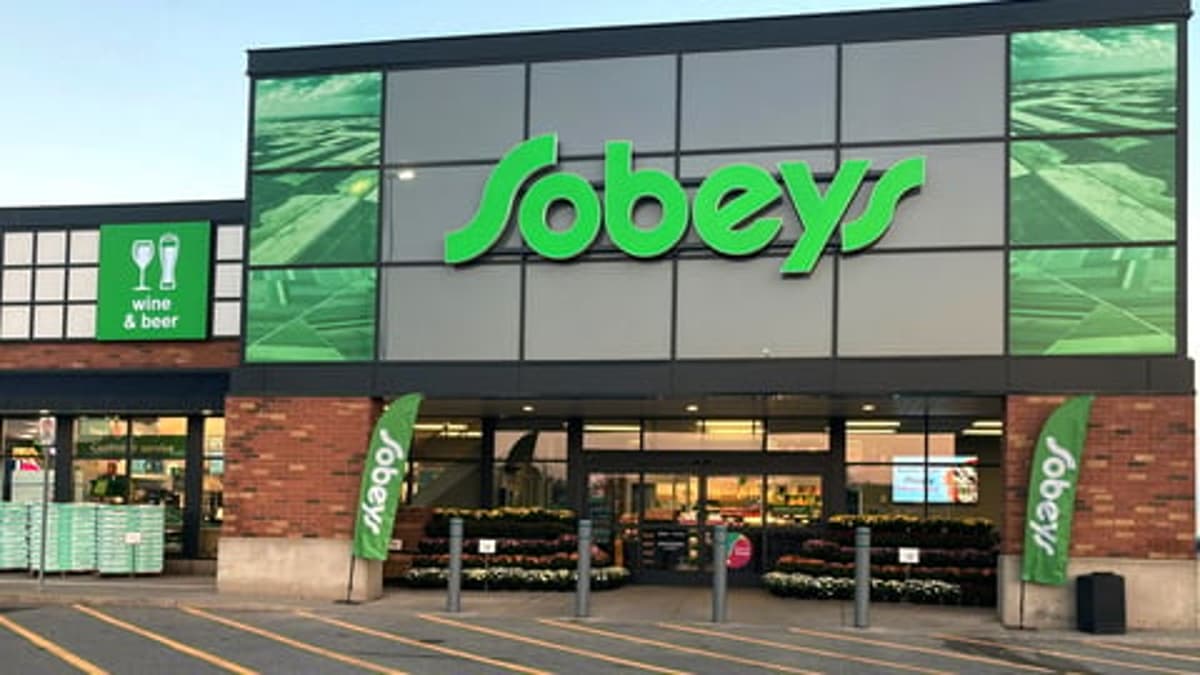
The DoorDash‑Empire alliance marks a significant step in Canada’s grocery‑delivery evolution. By integrating 12 banners—Sobeys, Safeway, IGA, FreshCo, Farm Boy, Longo’s and several convenience brands—DoorDash gains access to a broader customer base and deeper inventory, positioning itself against rivals like Uber Eats and Instacart. For retailers, the partnership offers a low‑cost channel to capture the growing segment of shoppers who prioritize speed and convenience, while data sharing promises insights into purchasing patterns that can refine in‑store assortments.
Fuel price volatility, sparked by the U.S.–Israel–Iran conflict, is reverberating through the supply chain. Canada Packers’ decision to pass higher diesel costs to pork buyers reflects a broader trend: grocers and food processors are tightening margins and seeking cost‑pass‑through mechanisms. Independent stores, lacking the bargaining power of giants such as Empire and Loblaw, are forced to absorb surcharges, potentially eroding price competitiveness. Consumers may see modest price hikes on staple items, while retailers balance the need to protect profit margins against the risk of alienating price‑sensitive shoppers.
Beyond immediate operational challenges, strategic shifts are emerging. Calgary Co‑op’s rebound to a US$4.5 million profit after a year‑long loss underscores the resilience of cooperative models that focus on localized merchandising and cost discipline. Meanwhile, the Manitoba government’s challenge to Sobeys’ property contracts signals heightened regulatory scrutiny over market concentration. Coupled with discussions on diversifying Canadian food and beverage exports under the upcoming CUSMA renegotiation, the sector is navigating a complex mix of delivery innovation, cost pressures, and policy dynamics that will shape its growth trajectory over the next few years.
This week in grocery news: DoorDash adds Empire stores to network, high oil prices fuel change
Comments
Want to join the conversation?
Loading comments...