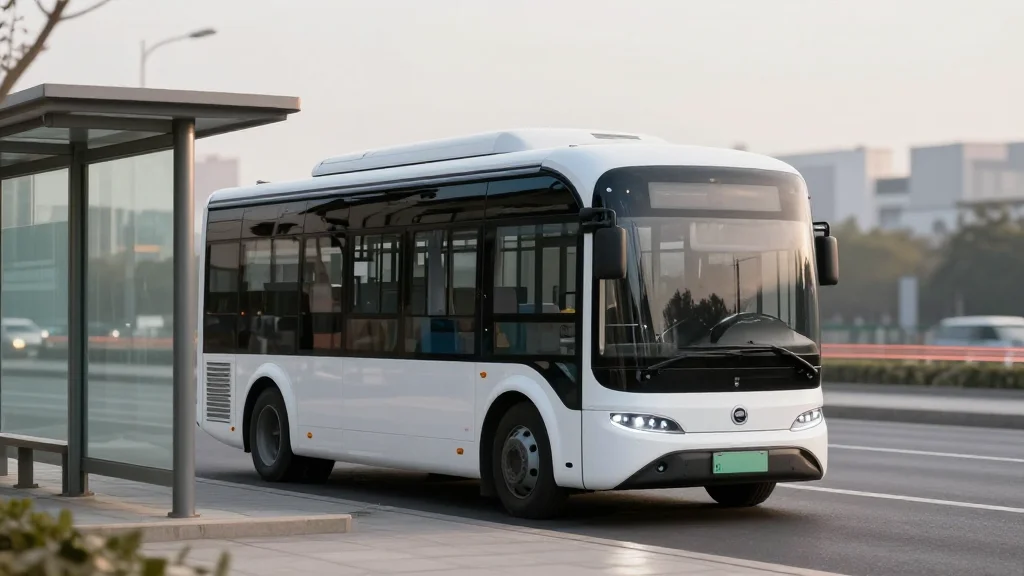
Via Transportation Posts 29% Revenue Surge, Hits $510M Annual Run Rate

Why It Matters
Via’s rapid revenue growth and expanding pipeline signal a broader shift in municipal transportation toward technology‑enabled, on‑demand services. By embedding AI and autonomous‑vehicle capabilities into its platform, Via is positioning itself as a critical infrastructure partner for cities seeking to reduce congestion, lower emissions, and improve rider experience. The company’s cash‑rich balance sheet and debt‑free status give it the flexibility to invest in next‑generation mobility solutions without diluting shareholder value. The heightened focus on AI automation also illustrates how B2B SaaS providers can achieve margin improvement even in capital‑intensive sectors like transportation. If Via can translate its pipeline into signed contracts, it may set a new benchmark for profitability in the mobility‑as‑a‑service market, prompting competitors to accelerate their own AI and AV roadmaps.
Key Takeaways
- •Q1 revenue $127 million, up 29% YoY
- •Annual run‑rate exceeds $510 million for the first time
- •Platform customers 838, a 23% increase, including 94 from Downtowner acquisition
- •Pipeline reaches $650 million, nearly double YoY
- •Cash balance $348 million, no debt; Q2 revenue guidance $132.5‑$134 million
Pulse Analysis
Via’s earnings underscore a pivotal moment for B2B mobility platforms that have traditionally struggled with thin margins. The company’s ability to shrink its adjusted EBITDA loss from -8.4% to -4.6% in a single year is largely attributable to AI‑driven software development, which reduces engineering headcount and accelerates feature rollout. This operational leverage mirrors trends seen in other enterprise SaaS firms that have embraced generative AI to cut costs and improve product velocity.
The strategic emphasis on autonomous‑vehicle partnerships—most notably with Waymo and Beep—adds a differentiated layer to Via’s value proposition. While AV deployments remain nascent, the promise of lower per‑ride costs and higher utilization rates could unlock new revenue streams and justify higher contract values with municipalities. Competitors such as Transdev and Keolis are also experimenting with AV pilots, but Via’s integrated AI‑engineered platform may give it a first‑mover advantage in scaling these solutions.
Looking forward, the key risk lies in converting the $650 million pipeline into binding agreements, especially as fiscal pressures mount in European markets like Germany. The CFO’s comments on German headwinds and currency impacts highlight the fragility of growth outside the United States. Nevertheless, the company’s cash cushion and debt‑free balance sheet provide a buffer to weather short‑term volatility while it doubles down on AI and AV investments. If Via can sustain its customer acquisition pace and improve margins, it could redefine profitability benchmarks for B2B transportation services and set a template for other niche SaaS providers seeking to embed advanced technology into legacy industries.
Via Transportation Posts 29% Revenue Surge, Hits $510M Annual Run Rate
Comments
Want to join the conversation?
Loading comments...