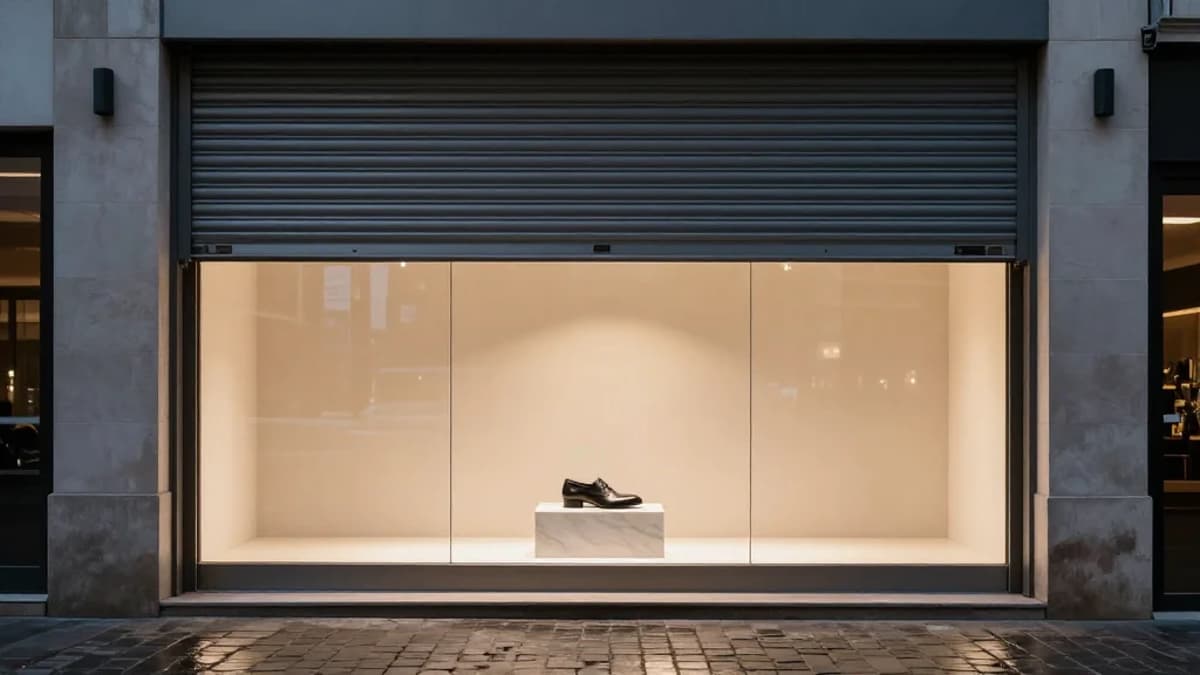
When Fashion Meets Fallout: What Luxury Store Closures Reveal About Cities—And the Law
•February 4, 2026
0
Companies Mentioned

Louis Vuitton

Wirth Law Office
Why It Matters
Store closures signal broader economic and legal instability, influencing where capital and premium brands choose to locate. Understanding this link helps cities and investors gauge risk and policy impact.
Key Takeaways
- •Luxury exits signal declining public safety
- •Crime penalties affect retailer risk assessments
- •Legal predictability attracts high‑end brands
- •Defense attorneys spot early retail crime trends
- •Cities retaining stores boost confidence and insurance rates
Pulse Analysis
Luxury retail has long served as a leading indicator of urban vitality, but recent flagship closures reveal a deeper narrative. When high‑margin boutiques abandon prime districts, it often reflects more than shifting consumer tastes; it signals escalating theft, reduced prosecutorial vigor, and a legal environment that no longer deters opportunistic crime. Insurers respond by raising premiums, and brands recalibrate their location strategies to protect both reputation and bottom lines.
The criminal‑justice framework plays a pivotal role in these decisions. Cities that downgrade petty theft to misdemeanors or experience case backlogs create a ripple effect: retailers perceive heightened exposure, insurance carriers adjust rates, and corporate legal teams demand stronger deterrence mechanisms. Criminal defense attorneys, who encounter these cases first, become informal early‑warning systems, highlighting patterns that may precede broader retail pull‑outs. Their insights underscore the symbiotic relationship between law enforcement rigor and commercial confidence.
Conversely, municipalities like Tulsa illustrate how a balanced legal approach can sustain luxury growth. Predictable enforcement, swift prosecutions, and a clear deterrent posture reassure brands that their assets are protected, encouraging new boutique openings and stable occupancy rates. For city leaders, the lesson is clear: maintaining a robust, transparent legal infrastructure not only curbs crime but also preserves economic allure for high‑end retailers, reinforcing the city’s overall competitiveness.
When Fashion Meets Fallout: What Luxury Store Closures Reveal About Cities—and the Law
0
Comments
Want to join the conversation?
Loading comments...