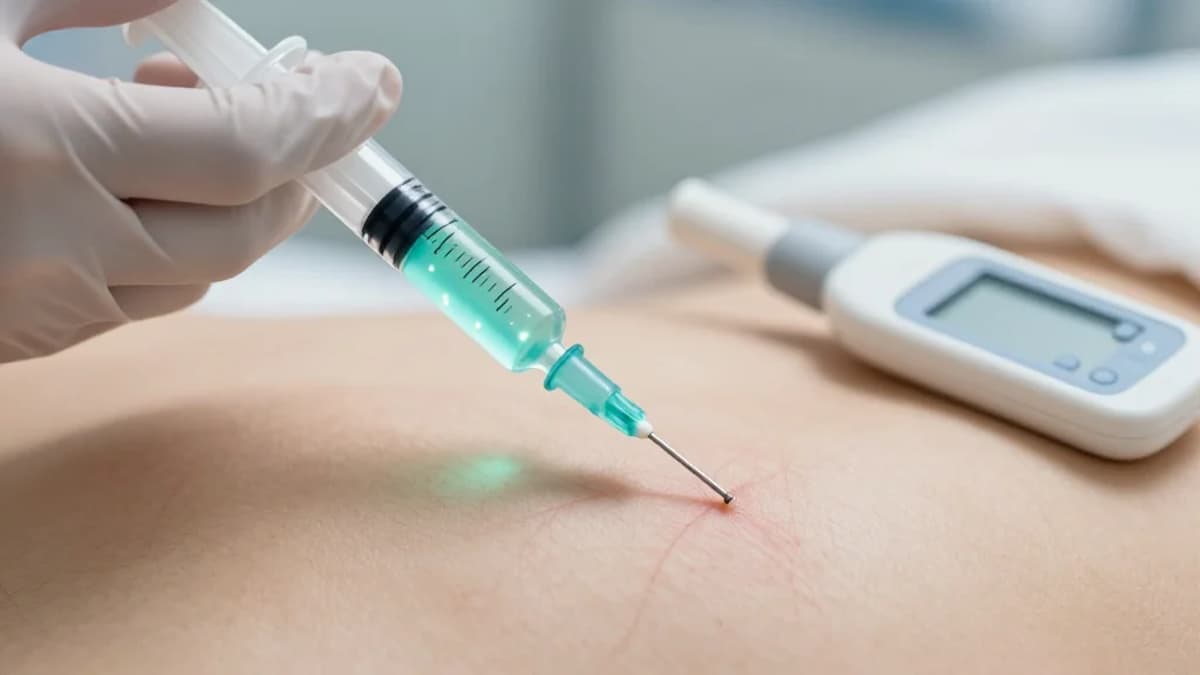
Injectable Mini-Livers as an Alternative to Liver Regeneration
•March 12, 2026

0
Key Takeaways
- •INSITE injects hepatocytes with hydrogel microspheres
- •Ultrasound guides precise ectopic placement and imaging
- •Scaffold self‑assembles, becomes vascularized in vivo
- •Hepatocytes retain long‑term liver functions
- •Approach offers minimally invasive alternative to transplantation
Summary
Researchers have introduced INSITE, an injectable platform that combines primary human hepatocytes with hydrogel microspheres to form self‑assembling, vascularizable tissue ensembles in situ. Using ultrasound guidance, the scaffold is delivered to an ectopic site where it integrates with host vasculature and maintains long‑term hepatic function. This minimally invasive approach sidesteps the need for whole‑organ transplantation and addresses low engraftment rates that have hampered previous cell‑based therapies. Early animal data show persistent imaging visibility and functional liver activity at the graft site.
Pulse Analysis
Liver failure remains a leading cause of mortality, with transplantation constrained by donor shortages, high surgical risk, and costly post‑operative care. While cell‑based therapies have long promised a bridge to or replacement for transplant, they have struggled with poor cell engraftment, limited localization, and delivery methods that are either invasive or inefficient. The emergence of injectable platforms like INSITE reflects a broader shift toward modular, minimally invasive solutions that can be deployed outside the traditional operating room, potentially widening patient access and accelerating therapeutic timelines.
INSITE leverages primary human hepatocytes suspended in hydrogel microspheres that self‑assemble into a supportive matrix once injected. Real‑time ultrasound guidance ensures accurate placement in an ectopic site, allowing clinicians to monitor graft location and scaffold formation non‑invasively. Within days, the scaffold recruits host blood vessels, creating a vascular network that supplies nutrients and oxygen, essential for sustained hepatocyte function. Preclinical studies demonstrate that these engineered mini‑livers retain key metabolic activities—such as albumin secretion and drug metabolism—over extended periods, suggesting a viable functional surrogate for native liver tissue.
If translated successfully, INSITE could reshape the biotech landscape for liver disease. Its modular design aligns with regulatory pathways for combination products, while the minimally invasive delivery reduces procedural costs and patient recovery time. Investors may view this technology as a high‑value asset capable of addressing a multi‑billion‑dollar market, especially as the global burden of chronic liver disease rises. Future research will likely focus on scaling production, refining scaffold remodeling, and conducting human trials to validate safety and efficacy, positioning injectable liver tissue as a cornerstone of next‑generation regenerative medicine.
Comments
Want to join the conversation?