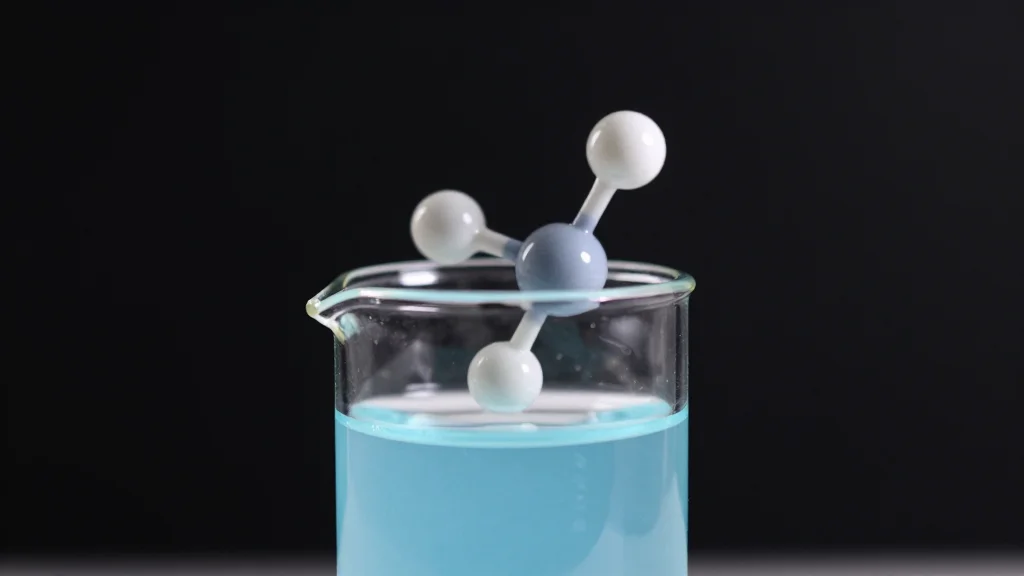
AI Can Screen 15 Million Molecules in a Day. It Still Can’t Cure Alzheimer’s.
Companies Mentioned

Why It Matters
The gap between AI’s speed in molecule screening and its inability to improve clinical success rates limits its transformative impact on drug development, while unchecked consumer use of health chatbots poses real safety risks.
Key Takeaways
- •Novartis AI designed 15 million molecules, synthesized 60 for Huntington’s
- •AI cuts early‑stage drug discovery time by up to 40 %
- •No AI‑discovered drug has received FDA approval as of 2025
- •40 million users query health chatbots daily, raising safety concerns
- •AI excels at administrative tasks, but not at clinical reasoning
Pulse Analysis
The promise of generative AI in pharmaceutical research is undeniable. By computationally generating millions of candidate compounds, companies like Novartis can focus laboratory resources on a handful of promising scaffolds, compressing the pre‑clinical phase from years to months. This acceleration aligns with industry goals to curb the average $2.5 billion cost and 10‑15‑year timeline of traditional drug development. Yet, despite faster target identification, the pipeline’s bottleneck remains clinical validation; as of December 2025, not a single AI‑originated molecule has cleared the FDA, underscoring that speed does not equal therapeutic breakthrough.
Parallel to drug discovery, generative AI has flooded consumer health spaces. An estimated 40 million users consult chatbots daily for symptom checks, a trend that has alarmed patient‑safety watchdogs. A recent Oxford‑led trial involving 1,298 participants revealed a stark drop in diagnostic accuracy when laypeople relied on AI advice, performing no better than basic web searches. The study highlights a fundamental flaw: medical decision‑making is conversational, requiring nuanced probing that static language models cannot replicate. Consequently, regulators and professional societies are urging stricter oversight of AI health tools to prevent misinformation and potential harm.
The realistic role for AI in healthcare is therefore one of augmentation, not replacement. Imaging algorithms already improve early cancer detection, and administrative AI—such as automated note‑taking and referral drafting—saves clinicians valuable time. In drug discovery, AI’s value lies in triaging chemical space rather than guaranteeing clinical success. Recognizing these boundaries helps investors allocate capital wisely and sets appropriate expectations for patients and providers. As the technology matures, its greatest impact will stem from collaborative workflows where AI handles data‑intensive tasks while human expertise steers clinical judgment.
AI can screen 15 million molecules in a day. It still can’t cure Alzheimer’s.
Comments
Want to join the conversation?
Loading comments...