ASCO26: AZ Triplet Makes Waves in Frontline Liver Cancer
Companies Mentioned
Why It Matters
The results offer the first FDA‑backed systemic option to augment TACE, promising longer disease control and fewer invasive procedures for a large, underserved HCC patient population.
Key Takeaways
- •Triplet therapy extends median PFS to 13 months vs 9.8 months
- •Dual STRIDE regimen shows 29% PFS improvement over TACE alone
- •Grade 3‑4 adverse events rise to 62.7% with triplet
- •FDA already approved Imfinzi/Imjudo combo for advanced HCC
- •EMERALD‑3 results could change practice for unresectable liver cancer
Pulse Analysis
Hepatocellular carcinoma (HCC) remains the most common primary liver malignancy, and for patients whose tumors cannot be surgically removed, transarterial chemoembolisation (TACE) has been the standard of care. While TACE delivers chemotherapy directly to the tumor and blocks its blood supply, median progression‑free survival (PFS) rarely exceeds ten months, and repeated procedures can erode liver function. The lack of FDA‑approved systemic options for this cohort has left clinicians reliant on off‑label targeted agents, creating an unmet therapeutic gap that industry players have been eager to fill.
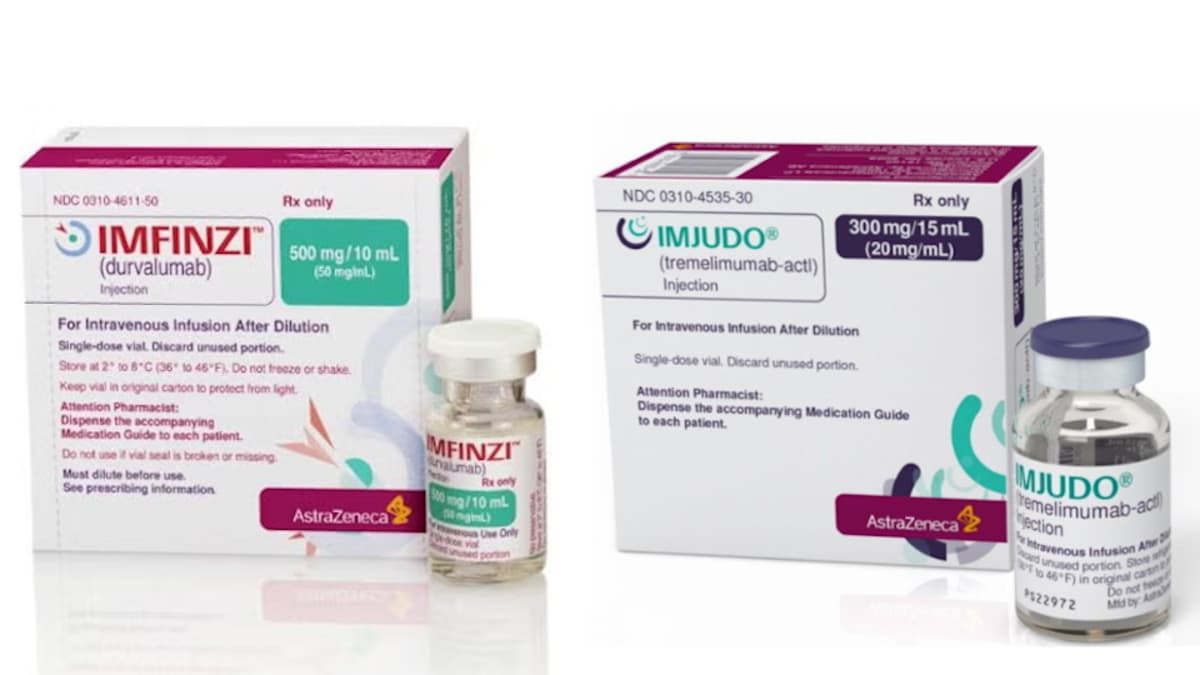
At ASCO 2026, AstraZeneca presented EMERALD‑3, a phase III trial that added its PD‑L1 inhibitor Imfinzi (durvalumab) and CTLA‑4 inhibitor Imjudo (tremelimumab) to TACE, with or without the multikinase inhibitor Lenvima (lenvatinib). The three‑drug regimen pushed median PFS to 13 months, a 30 % gain over TACE alone, and hinted at longer overall survival (39.5 vs 34.7 months). Even the dual STRIDE regimen—durvalumab plus tremelimumab—delivered a 29 % PFS boost. However, grade 3‑4 toxicities climbed to 62.7 % with the triplet, underscoring a safety‑efficacy trade‑off that will shape dosing strategies.
The data arrive as Imfinzi already holds FDA clearance in combination with Imjudo for advanced HCC, positioning AstraZeneca to seek an expanded label for unresectable disease. If regulators endorse the EMERALD‑3 findings, the regimen could become a new standard, reducing the frequency of TACE cycles and preserving liver function—outcomes that matter to payers and hospitals alike. Meanwhile, the parallel EMERALD‑2 study explores adjuvant use of Imfinzi with or without bevacizumab, signaling a broader pipeline that may further solidify AstraZeneca’s foothold in the rapidly growing immuno‑oncology market.
ASCO26: AZ triplet makes waves in frontline liver cancer
Comments
Want to join the conversation?
Loading comments...