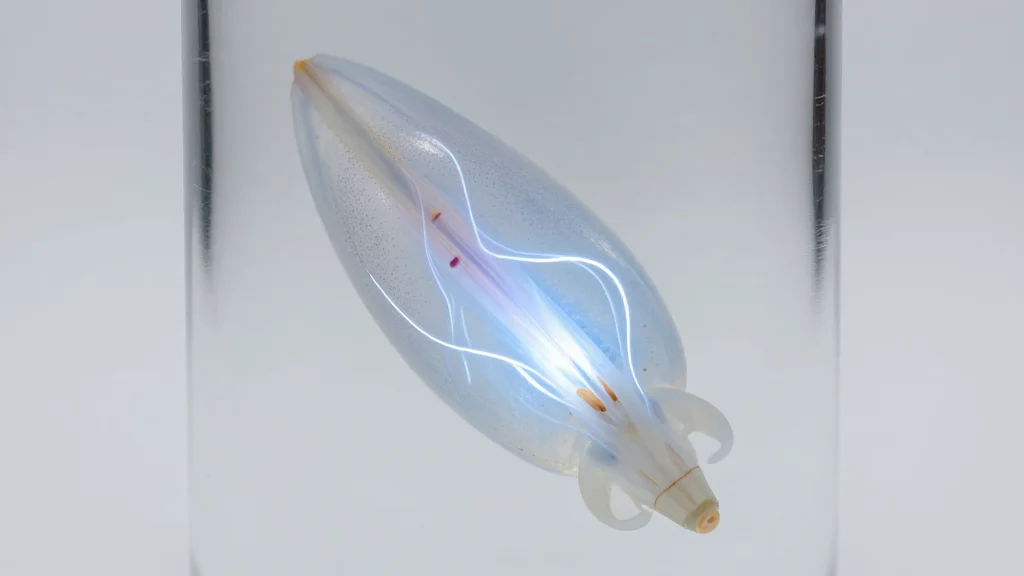
Electrical Pulses Reverse Aging in Sea Squirts, Offering Clues for Extending Human Longevity
Why It Matters
The study links bio‑electric stimulation to stem‑cell rejuvenation, opening a new avenue for longevity research and marine conservation while leveraging already approved medical devices for faster human translation.
Key Takeaways
- •15‑minute electrical pulses extended sea‑squid lifespan up to four years
- •Treatment rebooted gene activity, mirroring stress‑repair cycles in humans
- •Stem‑cell rejuvenation observed in both young and old sea squirts
- •Researchers propose bio‑electric therapy for coral resilience and human health
- •Electrical stimulation uses existing pacemaker tech, easing clinical translation
Pulse Analysis
Sea squirts, or ascidians, have long served as a bridge between simple chordates and vertebrates, sharing roughly 70 % of human genes. Their unique ability to rebuild all body tissues weekly makes them an ideal platform for observing stem‑cell dynamics in real time. The Stanford team, building on two decades of regeneration studies, leveraged this rapid turnover to test whether external bio‑electric cues could reset cellular aging. Their work adds a fresh dimension to the field of stem‑cell competition, a concept that originated from earlier ascidian fusion experiments and now underpins many human aging models.
The researchers delivered three rounds of five‑minute electrical pulses, a regimen comparable to a pacemaker’s output, and recorded dramatic phenotypic changes within 48 hours. Gene‑expression profiling revealed a “shutdown‑rebound” pattern, silencing aging‑related pathways before reactivating repair genes—a response reminiscent of the stress‑repair cycle seen after intense exercise in humans. Mitochondrial activity appeared to normalize, suggesting that the electric field may restore bio‑energetic balance. Crucially, both juvenile and mature colonies exhibited sustained rejuvenation for up to four months, and repeated treatments prolonged life to four years, far beyond the species’ natural lifespan.
Beyond academic intrigue, the findings carry tangible commercial and ecological weight. A bio‑electric platform could be miniaturized into implantable or wearable devices to boost human blood‑stem‑cell health, potentially enhancing fertility, immune function, and age‑related disease resistance. In marine settings, wireless pulse generators might fortify coral reefs against warming oceans, echoing the study’s suggestion of reef‑level interventions. While translating a whole‑organism protocol to human cells will require rigorous safety testing, the use of already‑approved pacemaker technology shortens regulatory hurdles, positioning this approach as a promising frontier for longevity biotech and climate‑resilient aquaculture.
Electrical pulses reverse aging in sea squirts, offering clues for extending human longevity
Comments
Want to join the conversation?
Loading comments...